
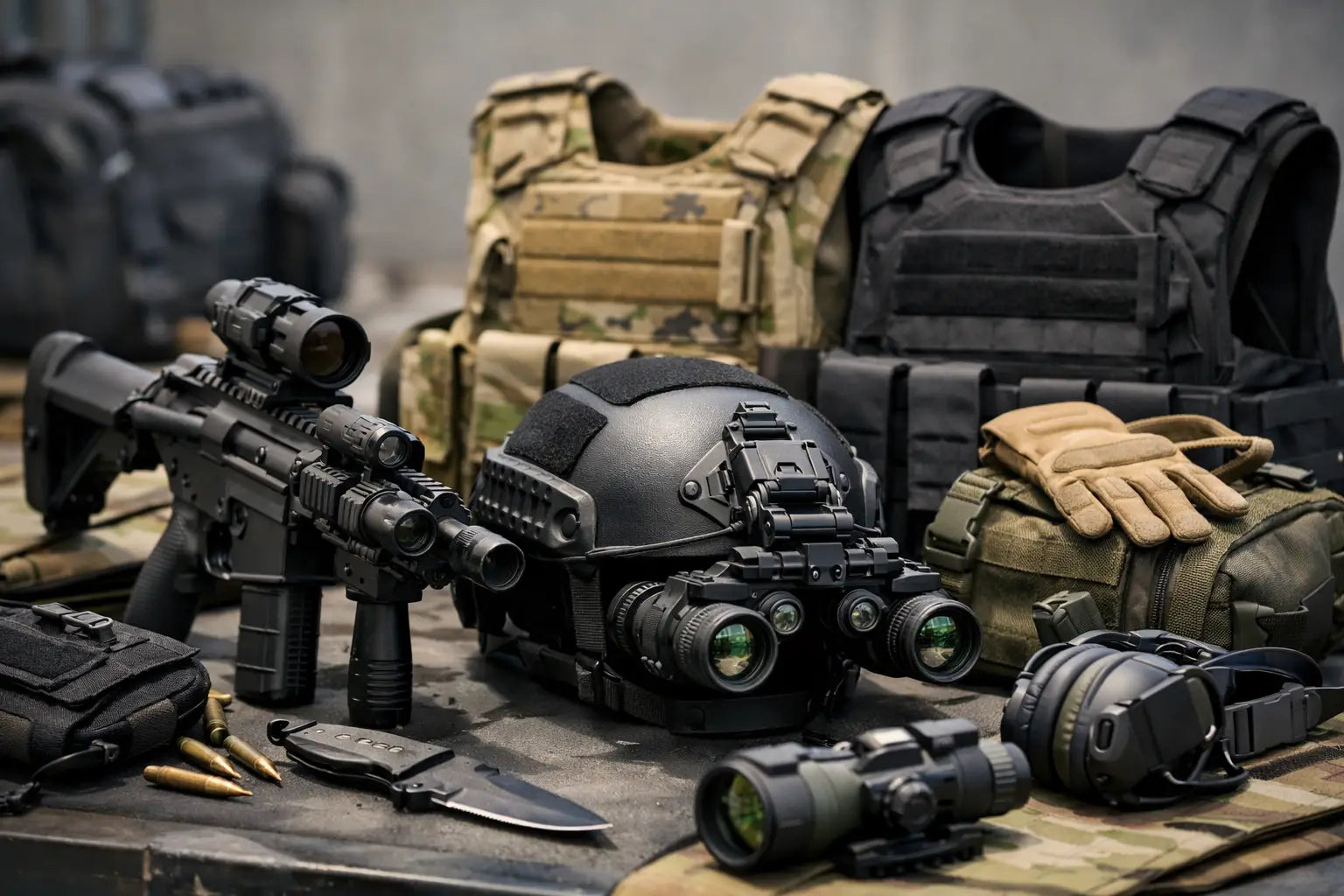
If you are searching for spectre military equipment, you are usually not looking for novelty kit. You are looking for equipment that works in the field, carries properly, wears hard and makes sense for the job in hand. That could mean patrol use, cadet training, airsoft, bushcraft, security work or simply replacing older kit with something more dependable.
The term covers a broad range, and that is where buyers often go wrong. They focus on camouflage pattern or appearance first, then discover that the cut is awkward, the fabric weight is wrong for the season, or the webbing layout does not suit the rest of their setup. Good kit is not just about matching colours. It is about compatibility, durability and how well each part supports the role.
What spectre military equipment usually includes
In practical terms, spectre military equipment often refers to a family of tactical and field items rather than one single product type. That normally means load-carrying equipment, pouches, packs, combat clothing and accessories built around military-style use.
The obvious starting point is webbing and chest rigs. For anyone carrying magazines, admin items, water, rations or field essentials, the layout matters as much as material quality. A rig can be well made and still be wrong for the task if it sits badly with body armour, restricts movement or creates unnecessary bulk when prone.
Pouches are another area where buyers tend to overbuild. More capacity is not always better. Utility pouches, ammo pouches, medic pouches and hydration options should support a clear use case, not turn into a cluttered platform that catches on doorways, vehicle interiors or scrub. If your load is not organised, your kit is working against you.
Clothing also sits under the same buying decision. Combat shirts, smocks, waterproof layers, insulated jackets and trousers all have to work together. A decent camouflage finish is useful, but fabric performance, breathability and layering options matter more over a full day in mixed weather.
How to judge spectre military equipment properly
There is no single best setup because role changes everything. A lightweight field configuration for foot movement is different from a static range loadout, and both are different again from weekend airsoft or cadet exercise use.
Start with construction. Look at stitching, reinforcement points, fabric weight and the quality of buckles, zip pulls and closures. In field equipment, failure rarely happens in a dramatic way. More often, it shows up as frayed edges, sagging pouches, pressure points on shoulders or straps that gradually lose adjustment.
Then assess layout. Webbing and load carriage need to distribute weight without shifting every time you move. A pack should ride cleanly and not interfere with belt kit. A smock should still function when worn over layers. Gloves should protect without taking away too much dexterity. The details are what separate good equipment from gear that only looks the part.
Finally, think about realistic use. Kit that works well on a product page can fall short after several wet weekends, rough vehicle movement or long periods on the range. The best buying decisions are usually the least glamorous ones - sensible fabrics, proven hardware, practical pocketing and a fit that allows movement under load.
Load carriage is where most setups succeed or fail
For many users, the most important part of spectre military equipment is not clothing at all. It is load carriage. If the belt kit, chest rig or daysack is wrong, everything else becomes harder.
A common mistake is choosing gear based on maximum carrying capacity. In reality, overloaded kit slows movement, increases fatigue and makes organisation worse. A cleaner setup with properly placed essentials is usually more effective than a large configuration full of items you rarely touch.
Balance matters. Weight should sit where it can be carried naturally, and access should match frequency of use. Water, medical kit and primary task items need clear placement. Less urgent items can sit further back or in the pack. If you have to search through your own layout, it is not an efficient setup.
Fit is just as important. Smaller-framed users often struggle with generic rigs that ride too low or spread too wide across the torso. Taller users can find compact systems uncomfortable over longer periods. Adjustable equipment helps, but only to a point. Some platforms suit some body shapes far better than others.
Clothing matters more than the pattern alone
Camouflage gets attention, but performance comes from fabric, cut and layering. If you are evaluating spectre military equipment from a clothing perspective, start with how it handles temperature, moisture and movement.
For active field use, combat clothing should allow a full range of motion without dragging or binding. Trousers need reinforcement in the right places and pocket layouts that remain usable when kneeling, crawling or wearing other kit. Jackets and smocks should provide weather resistance without becoming too hot once work rate rises.
This is where trade-offs come in. Heavier garments often last longer and offer better protection from rough ground or thick undergrowth, but they can become burdensome in warmer conditions. Lightweight layers improve mobility and dry faster, yet they may not stand up as well to hard wear. There is no point pretending one option suits every season.
Boot choice also sits close to this decision, even if it is not always grouped under the same label. Field boots, patrol boots and general tactical footwear all need to match terrain and load. A lightweight boot can feel excellent at the start of the day but offer less support under heavier carriage. A stiffer boot may be better for rough ground but too much for short-duration use.
Who spectre military equipment suits best
The strongest appeal is to buyers who need military-style function rather than fashion-led styling. That includes serving personnel buying supplementary kit, veterans replacing older gear, cadets building a practical field setup, airsoft players after a more serious loadout, and police or security users who want dependable tactical equipment.
It also suits outdoor users who understand that military equipment is designed around problem-solving. Good field gear is built for carrying weight, handling weather, resisting abrasion and keeping essentials accessible. For some people that makes it useful well beyond strictly military settings.
That said, not every military-style item is automatically the best choice for general outdoor use. A dedicated hillwalking pack may carry differently from a tactical patrol pack. A civilian waterproof may be quieter or lighter than a military smock. The right answer depends on whether your priority is tactical layout, ruggedness, low-profile outdoor performance or all three in balance.
Buying spectre military equipment without wasting money
The best approach is to buy around the role, not the look. Work out what you actually need to carry, what conditions you expect, and how long the equipment will be worn at one time. Once that is clear, the shortlist becomes much easier.
Avoid building a setup backwards. There is little value in buying specialist webbing pouches before choosing the platform they must fit. The same applies to clothing systems. Pick your base layers, outer layer and insulation with the season and activity in mind, then fill in the smaller pieces.
It also pays to be realistic about intensity of use. If the equipment is for regular field training, endurance matters. If it is for occasional recreational use, you may prioritise versatility and value instead. Spending more can be worth it, but only when the extra performance will actually be used.
This is where a specialist military outfitter has an advantage over a broad outdoor retailer. A better range of webbing, tactical clothing, boots, packs and accessories makes it easier to compare like with like and build a coherent setup. For buyers who already know the difference between parade-standard presentation and field-ready kit, that matters.
A sensible standard for spectre military equipment
The most reliable standard is simple. Good equipment should fit properly, carry the right load, hold up under repeated use and suit the role without unnecessary complication. It should not need excuses, modifications or constant adjustment to become usable.
That means looking past branding and focusing on field logic. Does the pouch placement make sense? Does the pack ride correctly? Will the jacket still work once layered over thermals or under load carriage? Can the boots handle the terrain you actually cover? Those questions matter far more than whether the setup looks impressive laid out on a table.
At John Bull Clothing, that practical approach is what usually leads to the right purchase. For anyone weighing up spectre military equipment, the safest route is to buy fewer pieces, buy more carefully, and build a kit layout that earns its place every time you wear it.
The right equipment should make your day easier, not more complicated - and that is always a better test than appearance alone.