
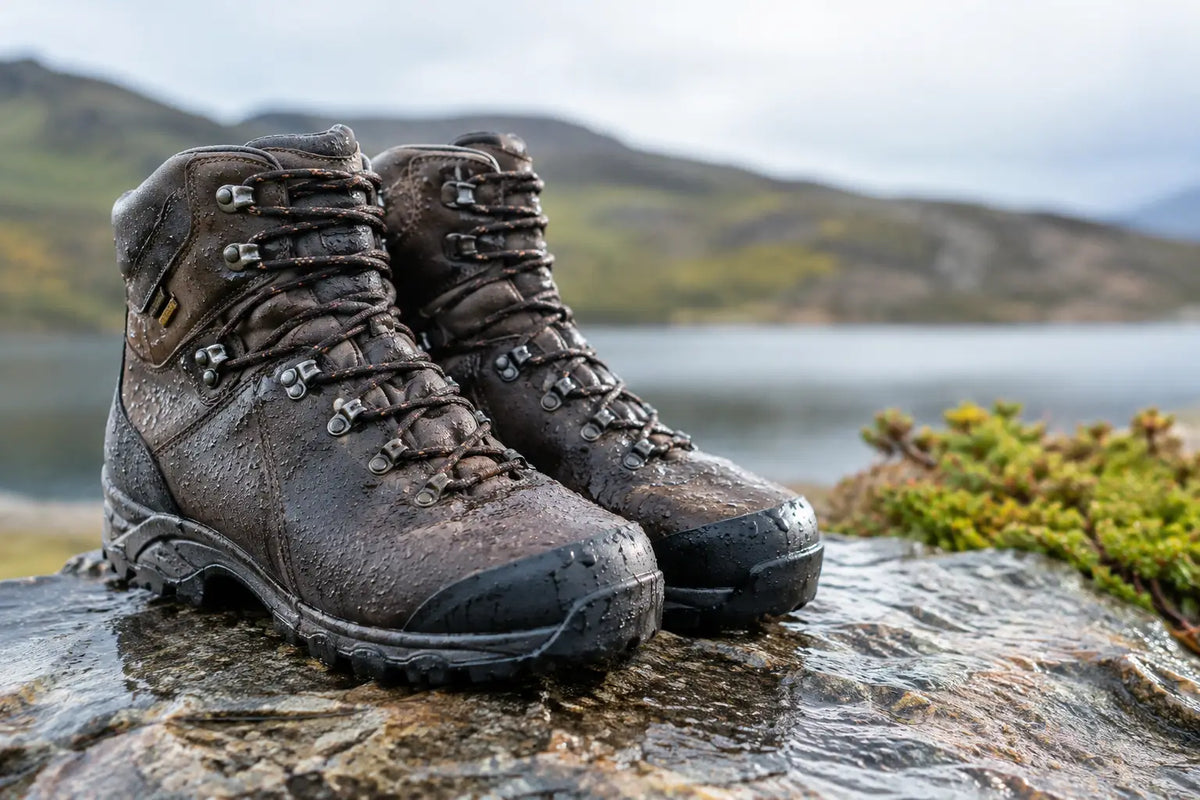
A wet route, standing water on a range, or a full patrol shift in driving rain quickly answers the practical question: are Altberg boots waterproof? In general, many Altberg models are built to keep water out very effectively, particularly those specified with a waterproof breathable membrane. But the right answer depends on the exact boot, its condition, and whether it has been cared for properly.
Altberg has a strong reputation among service personnel, police, security users and serious hill walkers because its boots are made for hard, repeat use rather than occasional fair-weather walking. That does not mean every pair has the same waterproof construction, nor that any boot will stay dry indefinitely if its leather is neglected, its membrane is damaged, or water enters over the collar.
Are Altberg Boots Waterproof by Design?
Many Altberg boots are waterproof by design, combining quality leather uppers with a waterproof breathable lining. The lining is the main barrier against water entering through the boot material, while the leather outer provides durability, support and an additional level of weather resistance when correctly treated.
A membrane-lined Altberg boot is intended to handle wet grass, mud, puddles, rain and prolonged exposure to saturated ground. For military, police and outdoor use, that is a meaningful advantage. Feet that remain dry are less likely to soften, rub and blister during a long day under load.
However, do not assume that the Altberg name alone means a particular model is waterproof. The product specification is the deciding factor. Some boots are designed around waterproof breathable linings; others may prioritise breathability, warm-weather use, lightweight construction or particular operational requirements. Check the description for a stated waterproof membrane or waterproof construction before choosing.
Waterproof does not mean fully sealed
Even a properly waterproof boot has limits. Water can still enter from the top if you step into water deeper than the boot collar. Rain running down trousers, wet socks, damaged gaiters and deep stream crossings can all leave feet wet without the boot itself leaking.
The same applies to prolonged immersion. A boot built for wet ground and harsh weather is not a wellington boot. If water regularly reaches above ankle height, choose suitable gaiters, waterproof over-trousers that shed water outside the collar, or footwear designed specifically for wading.
What Makes an Altberg Boot Effective in Wet Conditions?
The best-performing leather boots rely on several parts working together. The membrane stops external water reaching the foot. The leather upper resists abrasion and sheds surface water. The tongue and gusset construction reduce the chance of water forcing its way through the lace area. A suitable sock manages moisture inside the boot.
This matters because waterproofing is not only about rain getting in. On a demanding tab, patrol or hill day, your feet perspire. A breathable lining is designed to allow moisture vapour to move outward while preventing liquid water from coming in. It is not magic, though. When the outer leather becomes saturated, the boot may feel colder and take longer to dry, while breathability can reduce.
Leather care is therefore part of the system, not a cosmetic extra. A well-maintained upper sheds water before it can soak in. A dry, conditioned boot is more comfortable, easier to clean and better placed to support the waterproof lining beneath it.
Why a Waterproof Boot Can Start Feeling Wet
If an Altberg boot that has previously performed well begins to feel damp, do not immediately assume the membrane has failed. Several common causes are easier to identify and correct.
First, the leather may be absorbing water because it needs cleaning and reproofing. Mud, dust, salt and dried sweat can affect how the upper performs. Water-darkened leather does not automatically mean the boot is leaking, but a soaked outer can make the whole boot feel cold and clammy.
Second, moisture may be coming from inside. Thick socks, high activity levels and a warm environment can create considerable sweat. If the boot is not given time to dry between uses, that moisture remains trapped in the lining and footbed. This is particularly common with operational boots worn on consecutive days.
Third, inspect the practical entry points. Check the tongue gusset, lace hooks, stitching, boot collar and the condition of the inside lining around the heel. A puncture, worn heel area or torn lining can compromise waterproof performance. Poorly fitting boots can also crease repeatedly in one spot, increasing wear over time.
Finally, consider how the boots are being used. Standing in shallow wet ground is very different from repeatedly crossing water, kneeling in saturated grass or working for hours in heavy rain with water running down the leg. The conditions matter as much as the label.
How to Maintain Waterproof Altberg Boots
A straightforward cleaning routine will do more for wet-weather performance than repeatedly applying random treatments. After use, remove loose mud with a soft brush and clean the boot with lukewarm water. Pay attention to seams, the flex point across the forefoot, eyelets and the join between upper and sole.
Let the boots dry naturally in a warm, ventilated place. Remove the insoles and loosen the laces to improve airflow. Newspaper can help draw out moisture, but replace it once damp. Avoid radiators, fires, airing cupboards and direct high heat. Excess heat can dry and stiffen leather, affect adhesives and put unnecessary stress on the waterproof lining.
Once clean and dry, use a conditioner or treatment suitable for the specific leather and membrane construction. This is where many otherwise good boots are compromised. Heavy oils, waxes or unsuitable products can over-soften leather, block breathability or conflict with the manufacturer’s care guidance. Use the recommended type of treatment for the boot, applying it evenly and sparingly rather than trying to saturate the leather.
If the boot has become heavily soaked, give it sufficient drying time before the next wear. Rotating between two pairs is sensible for personnel, security staff and outdoor users who spend multiple days each week in boots. It protects comfort as well as the footwear.
Do not overlook socks and fit
A waterproof boot needs appropriate socks. Technical or wool-blend boot socks move moisture better than ordinary cotton socks and retain more warmth if conditions turn cold. Cotton holds moisture close to the foot, which can make a sound waterproof boot feel ineffective.
Fit is equally important. There should be enough room for the sock and natural foot movement, but not so much volume that the heel lifts or the foot slides forward. Friction creates hot spots, while excess pressure can make feet sweat more. Altberg’s established fitting reputation is useful here, but every wearer should choose the correct size and width for their own foot shape.
Choosing the Right Altberg Boot for Your Ground
The best waterproof boot is not always the heaviest or most expensive option. For patrol, security and general field use, a supportive membrane-lined leather boot offers a sensible balance of protection, durability and day-long comfort. For rough hill ground, ankle support, sole pattern and fit under load should carry as much weight as the waterproof claim.
For hot, dry work or rapid movement, a more breathable, lighter boot may be preferable even if it gives up some wet-weather protection. Conversely, users who regularly work through soaked grass, woodland, winter training areas or British upland conditions will usually benefit from a properly waterproof leather model and a disciplined care routine.
When comparing models, look beyond the word waterproof. Check whether the upper is leather or fabric, whether a waterproof breathable membrane is specified, how high the collar sits, the sole suited to your terrain, and whether the boot is intended for the load and duration you expect to carry. These details determine whether a pair will work for your job rather than merely look the part.
When Should You Replace or Repair Them?
A quality pair of Altberg boots is worth inspecting before deciding it is finished. Worn laces, tired insoles and reduced surface water repellency are normal service issues, not necessarily signs that the boot has reached the end of its life. A specialist can advise whether resoling or repair is appropriate where the upper remains sound.
Replacement becomes the sensible option if there is significant sole separation, deep leather cracking, a damaged lining that cannot be repaired, or persistent leakage after cleaning, drying and correct reproofing. Boots are protective equipment. Once their support, grip or weather protection is no longer dependable, do not wait for a wet exercise or long shift to prove the point.
For most users, the practical answer is yes: waterproof Altberg models are well suited to UK wet-weather field, patrol and outdoor use. Select the model for the task, keep the leather clean and treated, dry the boots properly, and use socks and gaiters that support the system. A well-looked-after pair should be ready when the ground is wet, the weather closes in and changing footwear is not an option.