
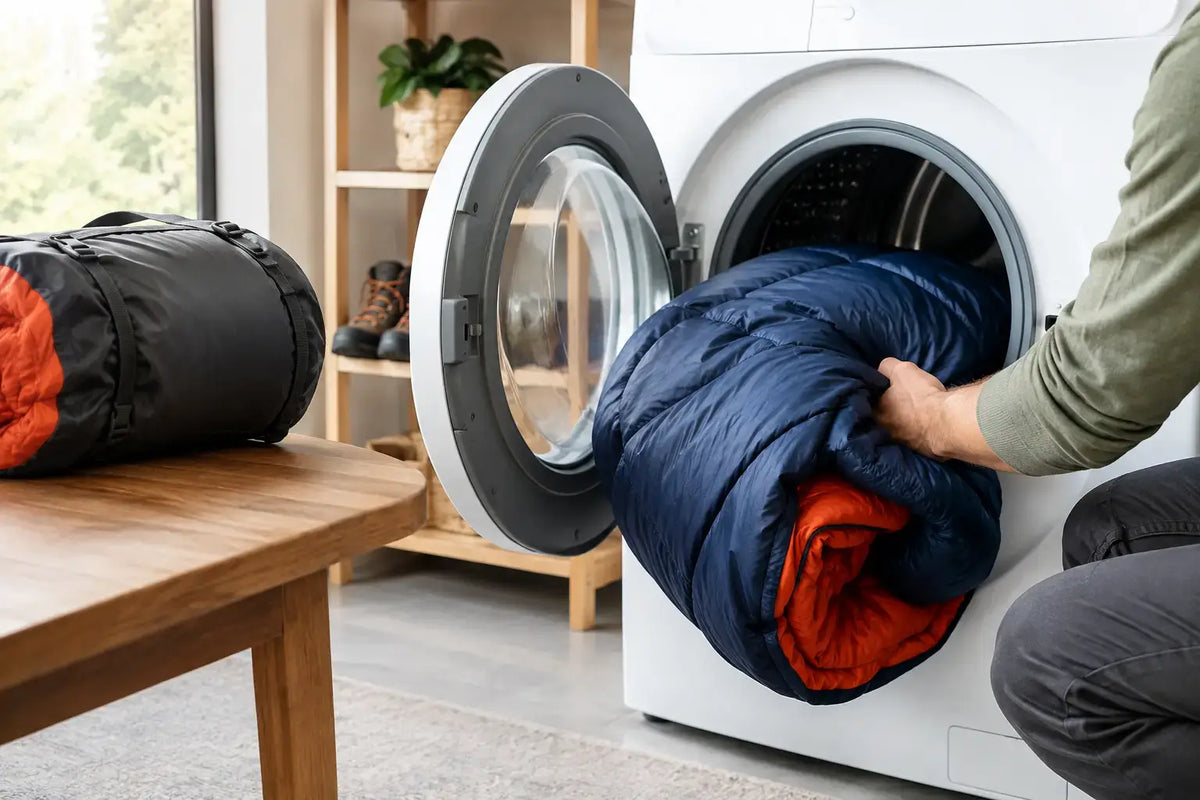
Are sleeping bags washable? In most cases, yes - but washing one as casually as a load of combat trousers is a quick way to flatten insulation, damage a lining or leave detergent trapped in the fill. A sleeping bag is a piece of insulation equipment, and it needs cleaning methods that protect its loft as well as its fabric.
For service personnel, cadets, expedition users and regular campers, the sensible approach is to clean only when needed, follow the care label, and dry the bag completely before it goes back into its compression sack or storage bag. The right process differs slightly between synthetic and down insulation, but the principle is the same: clean gently, rinse thoroughly and restore the fill properly.
Are Sleeping Bags Washable in a Machine?
Many modern sleeping bags can be machine washed, provided the manufacturer's label permits it. A large front-loading machine on a gentle cycle is generally the safest domestic option. Front loaders do not have a central agitator, which can put unnecessary strain on the shell fabric, zip, seams and internal baffles.
Do not assume every bag is suitable for a household machine. A large winter bag may become extremely heavy when wet and may not have enough room to move freely in a standard drum. If the bag is tightly packed against the sides of the machine, it will not rinse well. In that case, use a launderette machine with a larger drum or arrange specialist cleaning.
Avoid top-loading machines with an agitator. The twisting action can tear lightweight lining materials and pull insulation out of position. If you are cleaning an older military-pattern bag, a canvas outer or a sleeping system with removable components, check each item separately. Outer shells, liners and compression sacks may all have different care instructions.
Clean Less Often, Clean Properly
A sleeping bag does not need a full wash after every weekend away. Frequent washing gradually reduces the performance of water-repellent finishes and places extra wear on lightweight fabrics. More often than not, airing the bag after use and treating a marked area is enough.
Turn it inside out and hang it somewhere dry and well ventilated after a trip. This allows moisture from condensation, perspiration and damp clothing to escape. A clean sleeping bag liner is useful for this reason: it takes most of the body oils and can be washed far more often than the bag itself.
A full wash is worth doing when the bag smells persistently, feels greasy around the hood and collar, has visible dirt on the lining, or has lost loft because oils have begun to bind the insulation. For operational or field use, mud, insect repellent, sun cream and fuel contamination can also justify prompt cleaning. If the fabric has been exposed to fuel or other chemicals, follow the manufacturer's safety advice rather than simply putting it in a washing machine.
Before You Wash a Sleeping Bag
Start with the care label. It is the instruction that matters, especially with branded down bags, soft-touch linings and coated shells. If the label specifies professional cleaning or hand washing only, do not substitute a machine cycle because it appears more convenient.
Close all zips, fastening tabs and hook-and-loop panels, then loosen any drawcords. Check the pockets and hood for grit, tissues and loose items. Brush off dried mud outdoors rather than sending it through the machine, and pre-treat small stains with a damp cloth and a little appropriate cleaner.
Use a cleaner made for technical insulation. Ordinary biological detergent, fabric softener, bleach and stain remover are poor choices. They can leave residues that reduce breathability, strip treatments from the shell and affect the way down or synthetic fibres recover. Fabric conditioner is particularly unhelpful: it may make fabric feel soft, but it can coat the materials that need to trap warm air.
Washing Synthetic Sleeping Bags
Synthetic bags are generally more forgiving than down bags. Their insulation retains more warmth when damp and is less prone to permanent clumping, which makes them a practical choice for wet British conditions, cadet camps and regular field use. That said, they still need a low-stress wash.
Wash the bag on a cool or lukewarm gentle cycle using a technical cleaner and plenty of water. An extra rinse cycle is worthwhile, as trapped soap is one of the most common reasons a freshly washed bag feels stiff or performs poorly. Do not overload the machine with other kit. The bag needs space to move and rinse cleanly.
After washing, support the full weight of the bag when removing it. Wet insulation can make a bag awkward and heavy, and pulling it up by the hood or foot box can strain stitching. Dry according to the label. Many synthetic bags can be tumble dried on low heat, but high heat can damage both the shell and the insulation fibres.
Washing Down Sleeping Bags
Down needs more care because its warmth depends on loft. Each down cluster traps pockets of air; body oils, harsh detergent and poor drying cause those clusters to stick together. The result is a bag that looks clean but feels thin and cold.
Use a down-specific wash product, a large front-loading machine and a gentle, cool cycle. Run additional rinses until there is no sign of cleaner remaining. Never wring a down bag. Lift it carefully in sections and move it straight to the tumble dryer if the label allows.
Tumble dry on low heat for as long as required. This can take several hours. Clean tumble dryer balls or clean tennis balls can help break up damp clumps and restore loft, but check the bag regularly and redistribute any stubborn patches by hand. Do not rush the job by increasing the temperature. Excessive heat can damage delicate fabrics and treatments long before the insulation is dry.
A down bag must be completely dry before storage. If any area feels cool, heavy or clumped, it is still damp. Continue drying and gently separate the fill. Storing down with residual moisture risks mildew, odour and lasting loss of loft.
Hand Washing: When It Makes Sense
Hand washing is useful for bags labelled accordingly, older kit, or items too bulky for a suitable machine. Use a clean bath or large basin, lukewarm water and the correct technical cleaner. Submerge the bag gradually, press the water through it and avoid twisting or scrubbing the insulation.
Drain the dirty water, then refill with clean water until all cleaner has been rinsed out. This takes patience. Lift the bag with both hands or support it underneath on a clean sheet. A wet sleeping bag is vulnerable to damage when its weight hangs from one point.
Hand washing gives you control, but drying is still the difficult stage. Make sure there is enough time and access to suitable drying space before starting. A bag left damp in a garage, utility room or vehicle is likely to smell and may never regain its original performance.
Common Mistakes That Shorten a Bag's Life
The most damaging mistakes are usually avoidable. Do not dry clean unless the manufacturer expressly permits it, as solvents can affect coatings and insulation. Do not iron the shell, place the bag directly on a radiator, or leave it in strong heat. Do not store it compressed for months between trips.
Once clean and fully dry, store the bag loosely in its large storage sack, or hang it in a dry cupboard where it is protected from pests and direct sunlight. Keep the compression sack for transport, not long-term storage. This matters just as much for a compact three-season bag as it does for a substantial winter system.
If a bag has a torn baffle, a failing zip or insulation that remains badly matted after careful cleaning, repair may be the better answer than replacement. A sound shell and properly restored loft are what keep a sleeping system dependable when the temperature drops.
A sleeping bag earns its place in your kit by keeping you warm when rest matters. Treat washing as part of routine equipment care, rather than an afterthought, and it will be ready for the next exercise, camp or cold-weather trip.