
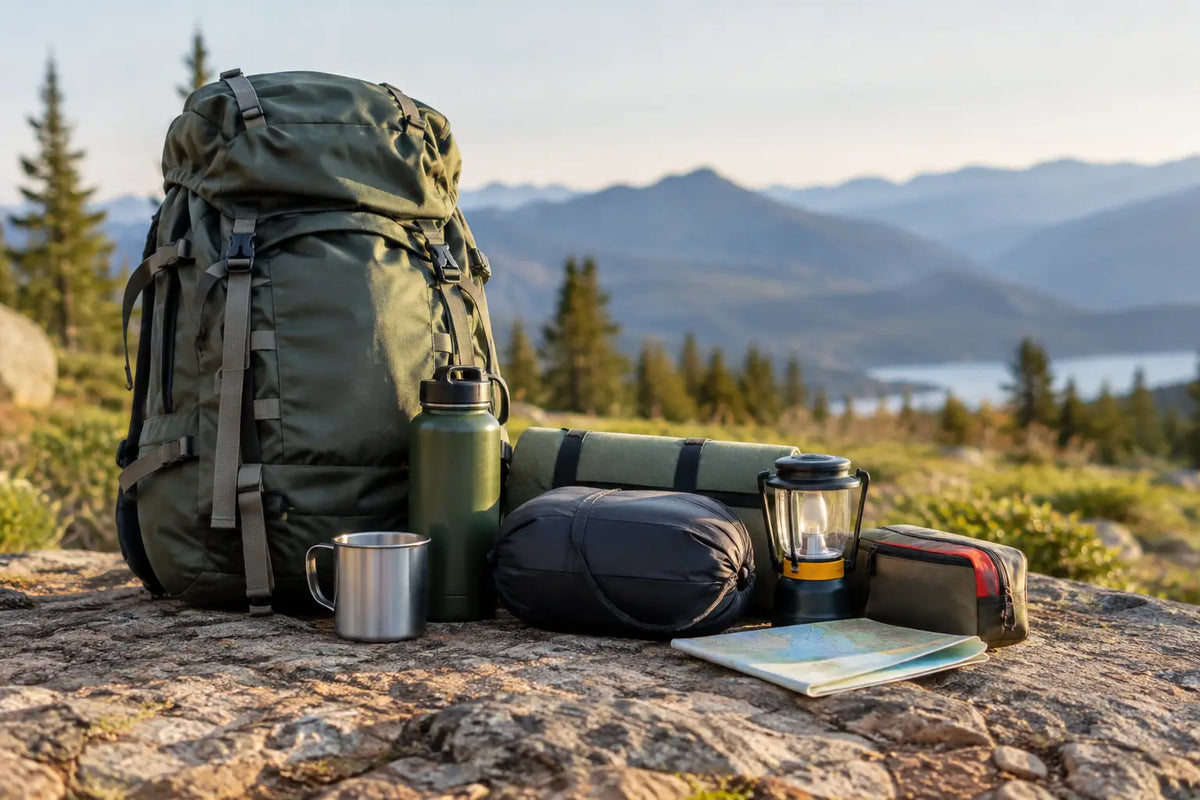
A wet sleeping bag, boots that have not been broken in and a torch with flat batteries can turn a useful training weekend into a miserable one. This cadet camping kit checklist is built around the kit that earns its place in the bergen: dependable equipment for fieldcraft, expeditions and overnight exercises, rather than unnecessary extras.
Always begin with joining instructions and your detachment or school’s equipment list. Requirements differ between organisations, locations and seasons. Some camps provide tents, cookers, rations and group safety equipment; others expect cadets to carry more of their own kit. Pack to the instruction first, then use this guide to close the gaps.
Build your cadet camping kit checklist around the task
Do not pack for a generic camping trip. An overnight exercise in a training area, a Duke of Edinburgh expedition and a summer camp all place different demands on clothing, load carriage and sleep systems. Check the forecast, ground conditions, route distance and whether there is vehicle support before choosing equipment.
The basic principle is simple: stay dry, stay warm, carry water, look after your feet and be able to work safely after dark. Every item should support one of those jobs. A large bergen filled with duplicate clothing, oversized food and loose equipment is harder to carry and slower to unpack when the weather turns.
Use dry bags, waterproof stuff sacks or heavy-duty resealable bags to separate clothing, sleeping equipment and personal items. A bergen liner adds another layer of protection, but it is not a substitute for sensible organisation. Items needed quickly, such as waterproofs, a head torch, water and a warm layer, should not be buried at the bottom of the pack.
Core cadet camping kit checklist
Shelter and sleep system
If your camp issues a tent or basha, confirm what you still need to provide. A sleeping bag suited to the expected overnight temperature is essential. A summer-weight bag may be adequate in warm conditions, but clear nights can become cold quickly, especially on open ground. Check that it is dry, fully lofted and packed in a waterproof compression sack.
A sleeping mat matters as much as the bag. It reduces heat loss to the ground and makes proper rest more likely. Closed-cell foam mats are simple and difficult to damage; inflatable mats are smaller when packed but need more care. Take a bivvy bag only if it is appropriate to the activity or specified by staff, as it adds protection but also adds bulk.
Clothing for changing conditions
Avoid relying on a single heavy garment. Layering gives better control when moving, standing on exercise or settling into camp. Start with a wicking base layer, add insulating layers for warmth and carry a waterproof, breathable outer layer. Cotton holds moisture and is a poor choice for cold, wet field conditions.
Pack spare socks in a separate waterproof bag, along with underwear and a dry top reserved for the evening or for sleeping. That dry layer can make a significant difference after a wet day. Take gloves and a warm hat outside high summer, and consider a sun hat and sun cream during warmer exercises.
Camouflage clothing may be required by your unit, but it is not automatically the best answer for every activity. For a walking expedition, lightweight, quick-drying field clothing may be more suitable if permitted. Follow the dress and uniform instruction rather than making assumptions.
Boots and foot care
Boots should be supportive, comfortable and already worn in. A new pair worn for the first time on a route march is a predictable route to blisters. Check laces, eyelets and sole condition before packing. If your boots are leather, clean and treat them before the event, allowing time for them to dry naturally.
Carry spare socks and a compact foot-care kit with blister plasters, tape and any personal treatment you normally use. Change socks if they are soaked, gritty or causing rubbing. Deal with a hot spot early and tell staff if a blister is affecting your ability to walk safely. Do not conceal an injury to keep up with the group.
Water, food and cooking
Carry the water capacity stated in your instructions. A water bottle or hydration bladder is useful only if it is clean, leak-free and easy to refill. In warm weather or on a demanding route, a single small bottle is rarely enough. Keep water accessible without having to stop and empty the bergen.
Take food only where it is required or permitted. Expedition menus should be simple, high in energy and easy to prepare with the issued or approved cooking method. Avoid fragile foods, glass containers and anything that produces excessive waste. If you have allergies, dietary requirements or medication, make sure leaders are aware well before departure.
Never pack a stove, fuel or fire-lighting equipment unless it has been authorised and you have been trained to use it. Cooking and fuel arrangements are controlled for good reason. Group equipment must be compatible, and safe stove practice is not optional.
Navigation, light and small essentials
Navigation equipment depends on the activity, but a suitable map, map case, compass and pencil are common expedition requirements. Keep the map protected and make sure you know how to orient it before setting out. A GPS device can be useful where authorised, but it does not replace map-and-compass competence or the route card procedure set by your staff.
A head torch is generally more practical than a hand torch because it leaves both hands free for camp tasks. Fit fresh batteries before the activity and carry spares in a waterproof pouch. Do not rely on a mobile phone torch: battery life drops in cold conditions and phones may be collected, restricted or unsuitable for use on exercise.
The following small items are worth checking before you leave:
- Personal medication, plus any documentation required by your unit.
- A personal first-aid kit if instructed, including blister treatment.
- Toothbrush, toothpaste, biodegradable wipes if permitted and a small towel.
- Notebook and pencil for orders, timings, grid references and observations.
- Whistle, watch and emergency contact details where required.
- Rubbish bags for wet kit and for taking all litter away from the site.
Pack the bergen properly
Weight distribution affects comfort and balance. Put your sleeping bag and other light, bulky items at the bottom. Place heavier kit close to your back and around shoulder-blade height, then keep frequently used equipment near the top or in external pockets. Secure loose straps and avoid hanging mugs, boots or cookware from the outside, where they catch on vegetation and make noise.
Once loaded, tighten the hip belt first, then adjust shoulder straps, load lifters and sternum strap. The hips should take most of the weight, not the shoulders. Walk around locally with the full pack before camp. If it pulls backwards, shifts from side to side or causes numbness, repack and adjust it before the journey.
Be realistic about weight. Cadets often carry too much because they are trying to cover every possible scenario. A spare warm layer and proper waterproofing are sensible; three changes of clothing and unnecessary gadgets are not. If in doubt, ask staff what is issued, what is shared and what must be carried individually.
Check, test and label before departure
Lay all kit out a day or two before leaving. Test the head torch, fill and check water containers, inspect waterproof seams, and practise packing the bergen so it can be done quickly. Label personal kit clearly, particularly identical mugs, sleeping bags and clothing. A name label is more useful than trying to identify a dark green dry bag in a crowded tent at the end of a long day.
Keep valuables to a minimum and protect any essential documents from rain. Charge devices only if they are authorised for the activity, but do not make the plan dependent on them. Most importantly, report missing kit, medical concerns or concerns about the route before departure, not when the group is already moving.
Good field kit does not need to be complicated. It needs to fit, function in poor weather and be packed with a clear reason for being there. Arrive prepared, listen to the brief and keep your equipment serviceable - that is what makes a cadet useful to the team when conditions become demanding.