
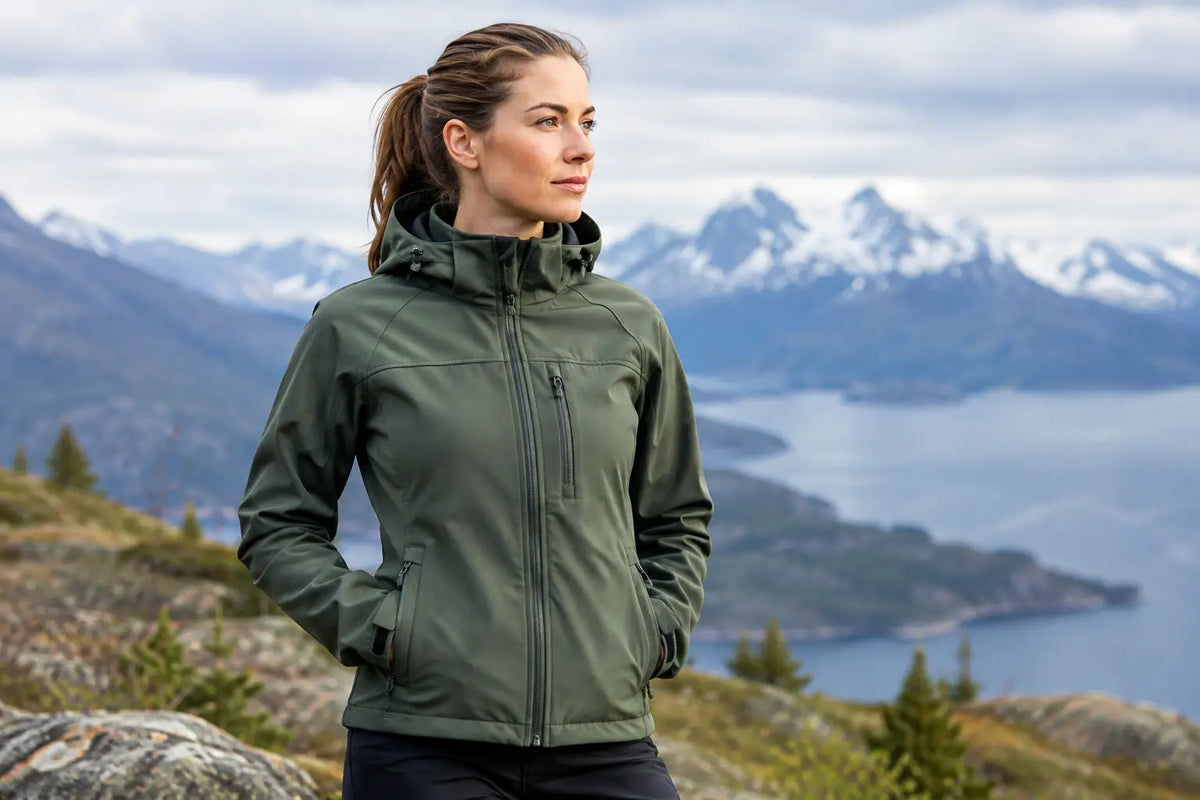
A good softshell earns its place because it is the jacket you keep on while working, moving and carrying kit. This Keela softshell jacket review looks at where this type of layer performs best: cool, changeable conditions where a waterproof shell would feel too warm, but a fleece alone would leave you exposed.
Keela has a long-standing reputation for practical outdoor and professional clothing, and its softshells suit users who prioritise mobility, wind protection and dependable day-to-day wear. For military personnel, cadets, security staff and outdoor users, the appeal is straightforward: a jacket that copes with wind, light rain and hard use without restricting movement.
Keela softshell jacket review: the field verdict
A Keela softshell is best viewed as an active outer layer rather than a substitute for a waterproof. Its close-woven face fabric cuts wind effectively, while the stretch and softer inner surface make it considerably more comfortable during movement than a traditional hard shell. That matters when tabbing, walking ground, setting up camp, working a range day or spending long periods on duty outdoors.
The main strength is versatility. Worn over a wicking base layer, a softshell is usually sufficient for dry, breezy conditions. Add a lightweight fleece beneath it and it becomes a useful cold-weather system without the bulk of a heavily insulated jacket. It is also quieter than many waterproof shells, which is a practical advantage for fieldcraft, wildlife work and airsoft use.
The trade-off is weather protection. Softshell fabric will shed a brief shower, particularly while its durable water-repellent finish is in good condition, but sustained rain will eventually wet through. If the forecast calls for hours of heavy rain, carry a proper waterproof layer in your daysack. The softshell remains the layer to wear between showers and when physical output is high.
Weather resistance in real conditions
Wind is where a Keela softshell is likely to prove its worth first. Even a moderate breeze can pull warmth from a fleece quickly, especially across open ground. The outer fabric limits that heat loss while remaining more breathable than a membrane shell. For patrol, dog walking, hill days and site work, this can mean less stopping and starting to adjust layers.
Light rain and drizzle are manageable, but expectations need to be realistic. Water resistance is not waterproofing. Seams on softshell garments are generally not taped, and the fabric is designed to breathe rather than create a complete rain barrier. Once the outer treatment becomes worn or contaminated with dirt, its ability to bead water will reduce further.
This is not a fault unique to Keela. It is the compromise that makes a softshell comfortable to wear while active. Regular cleaning with suitable technical-garment wash and reproofing when water no longer beads will help maintain performance. Avoid ordinary fabric conditioner, as it can impair breathability and water repellency.
Breathability and temperature control
For work rates that rise and fall through the day, a softshell is easier to live in than an insulated jacket. It allows moisture to move out more readily, helping prevent the clammy feeling that can develop under a waterproof during a fast walk or a loaded carry. The benefit is most noticeable in cold, dry weather, when you need protection from wind but do not need full rain cover.
It still needs sensible layering. A cotton T-shirt underneath will hold sweat and make you cold when you stop. A synthetic or merino base layer is the better choice. In lower temperatures, use a thin fleece or insulated mid-layer, but avoid overloading the system. If you are warm before moving, you are likely to overheat once under way.
Fit, mobility and operational practicality
A softshell jacket needs enough room for a base layer and light mid-layer while avoiding excess material around the chest and sleeves. Keela garments are generally designed with practical outdoor movement in mind, which suits tasks involving reaching, climbing, driving and handling equipment. A well-cut jacket should not pull sharply across the shoulders when you extend your arms or ride up excessively when wearing a rucksack belt.
Before committing to a size, consider the role it will fill. If it will primarily be worn over a T-shirt or combat shirt in spring and autumn, a neater fit may be preferable. If you expect to wear fleece beneath it through winter, allow enough room to layer without compressing insulation. Check sleeve length with your arms bent and make sure the cuffs work comfortably with gloves or a watch.
For service-style use, colour and finish matter as much as fit. Neutral shades such as olive, black and dark navy are practical for outdoor work, security use and general field wear, depending on local dress requirements. A plain, low-profile softshell is often more useful than a jacket covered in unnecessary external detailing. It works with combat trousers and boots, but does not look out of place during normal travel or daily tasks.
Pockets, zips and wear points
The details decide whether a jacket remains useful after the first few weeks. Look for pockets that can be reached while wearing a pack waist belt or webbing, and for zips that are easy to operate with cold hands or gloves. Chest pockets are especially useful for a mobile phone, notebook, map or small essentials, while hand pockets are welcome during static tasks.
Softshells are not invulnerable. Repeated abrasion from shoulder straps, vehicle work, rough walls and pack contact will eventually mark any fabric. Keela's reputation is built around practical construction, but no lightweight garment should be treated as a replacement for a heavyweight smock when constant contact with brash, wire or hard ground is expected. Match the jacket to the job rather than expecting one layer to cover every condition.
Where a Keela softshell makes most sense
This type of jacket is particularly strong in the shoulder seasons, on cool summer evenings and throughout a British winter when rain is intermittent rather than continuous. It suits range days, dog handling, outdoor instruction, trekking, cadet activities, travel and routine duty where you may be standing still one minute and moving hard the next.
It is less suitable as the only outer layer for exposed mountain use in persistent rain, or for static cold-weather work where insulation is the priority. In those situations, a waterproof shell and separate insulated jacket give better protection. The advantage of a softshell is not that it does everything. It is that it covers a large amount of everyday field use with less bulk and less fuss.
For airsoft and tactical users, the quieter fabric and freedom of movement are worthwhile, though the choice should reflect the terrain. In dense woodland or rough training areas, consider how much abrasion the jacket will receive and whether a tougher outer layer is more appropriate. For police, security and professional users, check uniform policy before choosing colour, branding and pocket layout.
Is it worth buying?
A Keela softshell is a sensible purchase if your priority is a dependable active layer rather than a rain jacket. It offers the comfort of a fleece with considerably better wind resistance and a degree of shower protection, making it useful across a wide range of routine outdoor tasks. Its value improves further when it is used as part of a simple layering system instead of being asked to replace every other jacket in your kit.
The best approach is to choose the weight and fit around your normal work rate, not the worst weather you might encounter once a year. Keep a waterproof available for prolonged rain, maintain the water-repellent finish, and use the softshell for the conditions it handles best. That is when it becomes the jacket you reach for first, rather than another item left in the cupboard.