
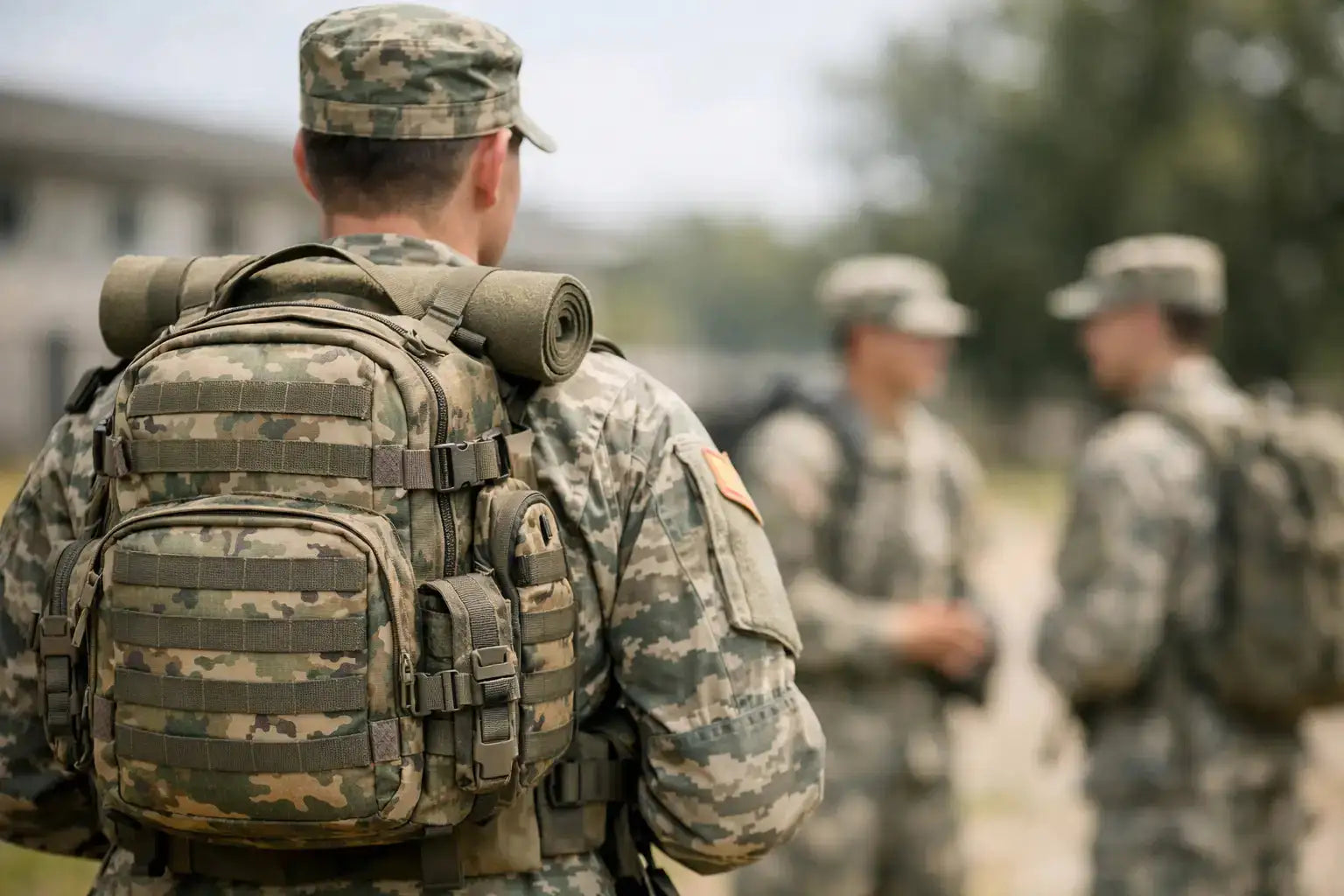
A cadet pack usually earns its keep long before it looks worn out. It gets dragged across parade squares, stuffed into minibuses, carried on field days, and overloaded with waterproofs, rations and the bits that somehow never fit where they should. That is why choosing the best military backpack for cadets is less about looks and more about sound load carriage, hard-wearing materials and the right capacity for the job.
Cadets need a backpack that can cover more than one role. It may be used for weekly drill nights, weekend exercises, Duke of Edinburgh expeditions, range days or basic travel to and from camp. A pack that works well in one setting can be a poor choice in another. That is where many buyers get caught out. They either buy too much pack for routine use or too little pack for field training.
What makes the best military backpack for cadets?
The right answer depends on age, build, training use and how much kit must be carried, but a few standards apply across the board. First, it needs to sit properly on the back. Shoulder straps should be padded without being bulky, and the back panel should keep the load stable rather than swinging about when moving at pace. If the pack is uncomfortable when lightly loaded, it will not improve once a waterproof, spare layers and food are added.
Durability matters just as much. Cadet use is hard on zips, stitching and buckles. Packs with weak zip tracks or lightly sewn grab handles tend to fail early, usually at the least convenient time. A military-style backpack should use strong fabric, reinforced stress points and fittings that can take repeated use in wet and muddy conditions.
Practical organisation is another point often overlooked. Cadets do not need endless compartments for the sake of it. They need a layout that makes field kit easy to reach and easy to repack. A main compartment, a few sensible external pockets and attachment points for extras are usually more useful than a complicated internal setup that slows everything down.
Capacity matters more than most buyers expect
One of the first decisions is size. For most cadets, the best military backpack for cadets in daily use tends to fall into the small to medium range, roughly 25 to 40 litres. That gives enough space for water, lunch, a notebook, spare clothing and basic fieldcraft items without encouraging overpacking.
If the pack is intended for longer training weekends or overnight use, a larger capacity may be justified. Around 45 to 65 litres can work well when more clothing, sleeping equipment or expedition items are needed. The trade-off is obvious. Bigger packs carry more, but they also tempt users to fill every spare inch, which adds unnecessary weight and makes movement less efficient.
For younger cadets in particular, oversizing is a common mistake. A pack that looks suitably military but towers above the shoulders or hangs too low on the hips is not a good buy. The load should match the person carrying it, not the appearance of the kit.
Small day packs
A compact day pack suits parade nights, short exercises and general cadet use. It is easier to stow, lighter on the back and usually more than adequate for routine training. This is often the most sensible starting point for new cadets.
Medium to large field packs
A larger bergen-style pack is better suited to weekend field exercises, camps and activities where extra layers and sleeping kit are required. It offers flexibility, but only if the frame, straps and waist support are up to the load.
Fit and load carriage come first
Military styling should never take priority over fit. A well-fitted plain pack will perform better than a badly fitted tactical pack with every feature under the sun. Look closely at strap shape, adjustability and whether the pack has a proper waist belt for heavier loads. If weight is carried entirely on the shoulders, fatigue sets in quickly.
Back length is worth checking as well. Some packs are built for adult users with longer torsos and can be awkward on smaller frames. Cadets need equipment that can be tightened down securely and worn without constant shifting. A sternum strap helps, especially during walking or field movement, but it should support the fit rather than compensate for poor sizing.
Breathability is useful, though not a deciding factor on its own. Ventilated back systems can improve comfort in warmer weather, but they should not compromise stability. In cadet use, a pack that carries close and securely is generally preferable to one that prioritises airflow at the expense of balance.
The materials and features worth paying for
Fabric quality is one area where better packs justify their price. Tough nylon construction, sensible denier weight and reinforced stitching all point to longer service life. Cadet packs do not need to be indestructible, but they do need to tolerate repeated use outdoors, on transport and in storage.
Weather resistance also matters. A water-resistant fabric and covered zip design can help in poor conditions, though no backpack should be treated as fully waterproof unless it is specifically built that way. Dry bags or internal liners are still a sound idea for spare clothing and documents.
MOLLE webbing and external attachment points can be useful, but only in moderation. They allow pouches or extras to be fitted when needed, which suits growing kit requirements. At the same time, too much external gear can make the pack awkward, unbalanced and prone to snagging. For cadets, a clean and practical exterior usually works better than an overloaded one.
Compression straps are genuinely useful. They stabilise part-filled loads, reduce bulk and help keep the pack tidy. Good zips are equally important. Large, glove-friendly pullers and solid buckles make life easier in poor weather or low light.
Military backpack or hiking pack?
This question comes up often, and the answer depends on the use. A hiking pack may be lighter and more comfortable for long-distance walking. A military backpack is usually tougher, simpler and better suited to mixed cadet activities where rough handling, fieldcraft and equipment attachment are part of the picture.
For a cadet who mainly attends weekly sessions and occasional camps, a military-style day pack is often the better fit. It matches the environment, handles wear well and carries typical training kit without fuss. For expedition-heavy use, particularly where mileage and weight efficiency matter more than tactical layout, a quality hiking pack can make sense.
Neither option is automatically better. It depends on whether the priority is field durability, military relevance or walking comfort over longer distances.
How to avoid buying the wrong pack
The quickest way to waste money is to buy on appearance alone. Camouflage pattern, webbing and a tactical profile can look the part, but that does not guarantee useful capacity or proper support. Focus first on size, harness quality and construction.
It is also worth thinking about how the pack will be used most often, not once or twice a year. If 90 per cent of its work is carrying day kit, buy for day use. If overnight training is frequent, allow for the extra volume and support. Trying to cover every possible scenario with one oversized pack usually leads to compromise.
Parents buying for younger cadets should keep weight firmly in mind. A heavy-duty pack with thick fabric and extra features may sound reassuring, but if the empty pack already feels substantial, that is weight being carried before any kit is added.
Best military backpack for cadets by use case
For routine cadet evenings and short training days, a 25 to 35 litre military day pack is usually the strongest option. It is manageable, practical and large enough for the essentials.
For older cadets attending camps or carrying more field equipment, stepping up to a 40 to 50 litre pack can be worthwhile, provided it has proper adjustment and a supportive harness. Beyond that, larger bergens are best kept for specific overnight or multi-day requirements.
Buyers looking at established military and outdoor brands will generally get better construction, more reliable fittings and a design that has been properly thought through. That matters more than novelty features. Retailers such as John Bull Clothing tend to curate this category around proven utility rather than gimmicks, which is exactly what cadet kit should be built on.
A good cadet backpack should feel unremarkable in the best possible way. It should carry cleanly, pack easily, take some abuse and keep going without complaint. If it does that week after week, it is the right bit of kit.