
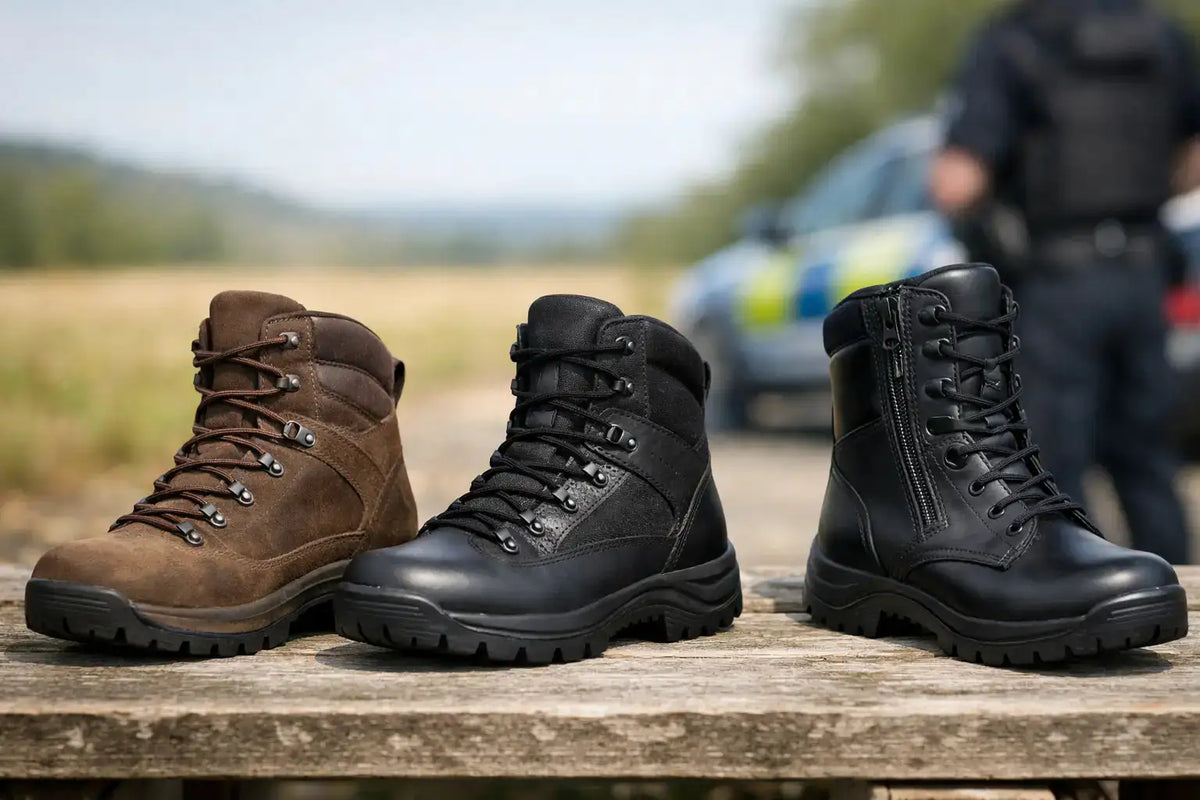
A good boot is not defined by how it feels for five minutes on a shop floor. It is defined by how it performs after a long patrol, a wet training area, repeated vehicle work or hours under load. Altberg Boots have earned a strong following among military, police, security and outdoor users because they are built around that practical reality.
The right pair still depends on the job. Height, leather type, lining, sole pattern and fit all affect how a boot performs. Choosing by appearance alone is an expensive mistake, particularly when the boot will be used day after day.
Why Altberg Boots are trusted kit
Altberg is a British bootmaker with a long-standing reputation for producing serious footwear for operational and demanding outdoor use. Its range includes styles suited to military service, police and patrol work, general field use and hill walking. The common priority is support, durability and dependable traction rather than lightweight fashion footwear.
For users carrying a bergen, working uneven ground or spending extended periods on their feet, a properly structured boot can reduce fatigue and improve stability. That does not mean the heaviest boot is automatically the best choice. More leather and a stiffer build generally bring greater protection and support, but may take longer to break in and feel warmer in mild conditions.
Match the boot to the ground and task
Start with where and how the boots will be used. A high-leg boot gives worthwhile ankle coverage and protection when crossing rough ground, carrying weight or working in scrub, mud and wet grass. It is often the sensible choice for field training, exercise and extended days outdoors.
For patrol, station duties or regular vehicle work, some users prefer a lower-profile boot that remains supportive but is easier to wear throughout a shift. The sole matters as much as the upper. Deep, widely spaced lugs clear mud more effectively, while a flatter, more closely patterned sole can feel more stable and comfortable on hard surfaces. There is no single sole that is best everywhere.
Waterproof-lined boots suit persistently wet conditions and reduce the discomfort of rain, puddles and damp ground. However, any waterproof boot can feel warmer during high-output work. In hot, dry conditions, a breathable non-waterproof design may be the more comfortable option, provided the wearer accepts that it will not keep out standing water.
Getting the fit right
Boot fit should be assessed with the socks you intend to wear in service, training or on the hill. Try boots later in the day if possible, when feet are naturally slightly larger. Your heel should sit securely with minimal lift as you walk, while your toes need enough room to move without striking the front on a descent.
Do not assume a stiff boot is the wrong size. Quality leather boots often feel firm when new, particularly around the ankle and forefoot, but they should not create sharp pressure points, numbness or rubbing. A boot that is painfully tight in the shop will not become the right size through use.
Lacing is part of the fit. Secure the heel before tightening the upper section, and adjust tension for the task. A firmer lower lace can limit heel movement on uneven ground, while leaving the top slightly less tight may improve comfort during long, level walking. If one foot is larger than the other, fit the larger foot first.
Breaking in leather boots properly
Leather boots need controlled use before a demanding exercise, deployment or long-distance event. Begin with short walks on dry ground, then increase the time and load over several outings. This allows the upper to shape to the foot while giving you time to identify any rubbing before it becomes a blister.
Avoid soaking new boots to soften them quickly or placing them beside direct heat to dry. Both can damage leather, affect adhesives and shorten the working life of the boot. If boots become wet, remove the footbeds where practical, loosen the laces and allow them to dry slowly at room temperature. Paper can be used to help draw out moisture, but replace it regularly.
Care that protects your investment
Mud and grit are abrasive. Brush boots clean after use, paying particular attention to seams, eyelets and the join between upper and sole. Let the leather dry naturally before applying a suitable conditioning or waterproofing treatment recommended for that boot's leather and lining.
Over-treating leather can be as unhelpful as neglecting it. Heavy oils or waxes may soften the upper excessively, reduce breathability or interfere with a membrane lining. Use the right product sparingly and follow the care guidance for the specific boot. Check laces, hooks, stitching and sole wear regularly, especially before a course, exercise or prolonged field period.
At John Bull Clothing, the sensible approach is to select Altberg footwear around your actual ground, load and duty pattern, then give it the fit check and care routine it deserves. A dependable boot starts with the right choice, but stays dependable through proper use.