
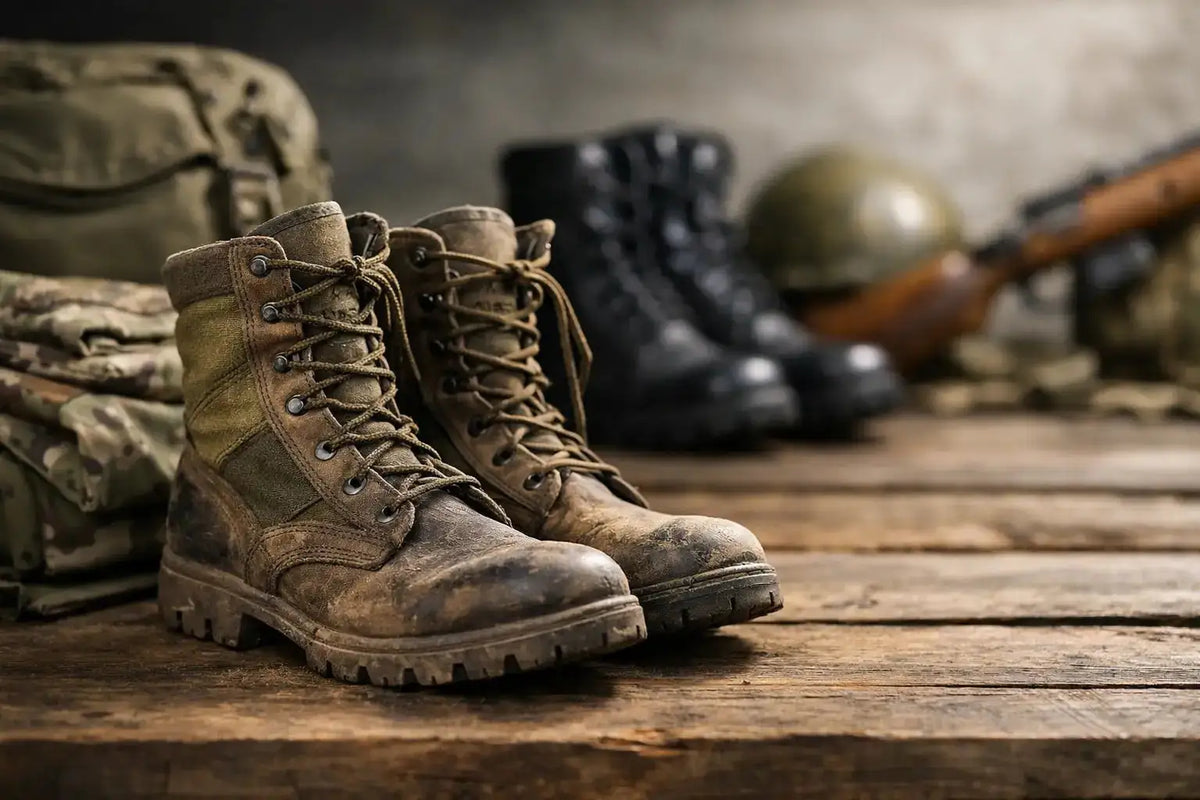
A pair of boots can look the part on a shelf and still let you down after ten miles, one wet training area, or a full shift on hard ground. That is why the question 'Are army surplus boots good?' matters more than it first appears. For some buyers, surplus boots are excellent value and proven field kit. For others, they are the wrong tool entirely.
The short answer is yes, army surplus boots can be good - but only if you understand what you are buying, what condition they are in, and what you need them to do. Surplus is not one category of boot. It covers issued boots from different eras, grades of used condition, genuine military specifications, and older designs that may still be tough but no longer suit modern use.
Are army surplus boots good for everyday use?
In many cases, yes. Genuine surplus boots were built for service conditions, not casual fashion. That usually means stronger leather, harder-wearing soles, reinforced construction, and a design focused on support and durability rather than lightweight comfort straight out of the box.
If you need dependable footwear for dog walking, general outdoor use, cadet activities, site work, or occasional hiking, surplus can make good sense. A solid pair of military boots will often outlast cheap high street alternatives, especially if the uppers are in sound condition and the sole unit still has proper tread.
That said, everyday use is broad. Walking the school run, covering mixed woodland, standing on concrete all day, and carrying weight over rough ground are very different jobs. Some surplus boots are better suited to traditional field use than urban wear. Older issue pairs can feel stiff, heavy, and warm compared with current patrol or tactical boots.
Where surplus boots usually perform well
The main advantage of army surplus boots is that they were designed around function. They are commonly built to cope with mud, wet grass, rough tracks, load carriage, and repeated wear. That makes them attractive to buyers who value serviceable kit over marketing claims.
Leather combat boots, in particular, tend to perform well in colder months, on uneven ground, and in situations where ankle support matters. For cadets, bushcraft users, farm work, and practical outdoor tasks, surplus boots often offer reassuring stability. They also suit those who prefer a more traditional boot that can be cleaned, treated, and kept going rather than replaced at the first sign of wear.
Another strength is price. If you buy a genuine pair in good grade, surplus can offer a lot of boot for the money. For buyers who need reliable footwear without moving straight into premium price brackets, that can be the deciding factor.
Where army surplus boots can fall short
This is where the answer becomes more specific. Army surplus boots are not automatically the best choice just because they are military. Some are excellent. Some are simply old, worn, or outdated.
Comfort is the first trade-off. Many issued boots were designed to be worn hard and broken in properly. That is not the same as feeling comfortable on day one. If you are used to modern lightweight boots with cushioned midsoles and trainer-like flexibility, a traditional surplus pair may feel unforgiving.
Weight is another factor. Older leather issue boots can be substantially heavier than modern patrol, police, and tactical designs. That may not matter for short use, but over long distances or daily wear it becomes noticeable.
Waterproof performance also depends on the boot. Some surplus boots rely on leather treatment and good care rather than a waterproof membrane. Others may have been waterproof originally, but age, wear, or storage conditions can affect performance. If you need guaranteed wet-weather protection, you should inspect carefully rather than assume.
There is also the issue of sole age. Rubber and adhesives degrade over time, even if a boot has seen limited use. A pair that looks tidy can still be vulnerable to sole separation if it has been stored for years. This matters especially with older surplus stock.
Condition matters more than the label
When buyers ask are army surplus boots good, what they often mean is whether used military boots are still worth buying. The answer depends heavily on grade and condition.
A genuine surplus boot in very good condition can be excellent value. The leather may already be softened slightly, the structure still sound, and the tread more than adequate for regular use. A heavily worn pair with compressed insoles, cracked uppers, and rounded tread is a different proposition entirely.
Pay attention to the sole pattern, heel wear, stitching, eyelets, lining, and any signs of splitting around flex points. Check whether the insole has flattened or if the heel counter has collapsed. These signs tell you more than the word surplus ever will.
It also pays to distinguish between genuine military surplus and military-style boots. Genuine surplus was made for service use. Military-style footwear may only borrow the look. For serious outdoor, work, or training use, that difference matters.
Fit is critical with surplus footwear
Boot quality means very little if the fit is wrong. Military boots are often built around practical sizing, but that does not mean every surplus pair will suit your foot shape. Some come up narrow, some are generous in volume, and older issue patterns may feel different from current commercial boots.
If you wear thicker socks, use orthotics, or need room in the toe box for long-distance walking, check fit with care. A boot that feels only slightly tight indoors can become a problem very quickly in the field.
This is one reason many buyers now compare surplus with modern military and patrol brands. A current boot from an established maker may give you more predictable sizing, better underfoot cushioning, and lower weight, while still retaining the support and durability expected of service-inspired footwear.
Surplus boots versus modern tactical boots
The choice often comes down to priorities. If you want proven toughness, traditional construction, and strong value, surplus has real appeal. If you want lighter weight, quicker drying, improved shock absorption, and less break-in time, a modern tactical or patrol boot may be the better option.
Neither route is automatically right. For occasional outdoor use, cadet training, or general field wear, a good surplus pair can be more than enough. For daily professional use, fast-paced movement, or long hours on mixed terrain, many users prefer newer designs from trusted manufacturers.
That is especially true for police, security, and patrol roles where comfort over a long shift matters as much as durability. A heavy old issue boot may still be sound, but not necessarily the most efficient choice.
Who should consider army surplus boots?
Surplus boots are often a sensible buy for cadets, bushcraft users, campers, airsoft players, and anyone who wants dependable outdoor footwear without paying premium prices. They also suit buyers who value authentic military kit and understand how to assess condition properly.
They are less ideal for anyone expecting trainer-level comfort, very low weight, or guaranteed all-day ease straight from the box. They can work for hiking, but serious hillwalkers may prefer purpose-built modern walking or tactical boots depending on terrain and load.
For work use, the answer depends on the environment. If the job involves rough ground, mud, and practical outdoor movement, surplus may do well. If you are on concrete floors all day or need specific safety certification, a dedicated work boot is often the smarter purchase.
What to check before buying
Start with the basics. Confirm whether the boots are genuine surplus, unissued surplus, or used surplus. Then check sole depth, leather condition, stitching, eyelets, internal wear, and signs of age-related deterioration. Ask whether the boot has been stored for a long period and whether any re-soling or repair work has been done.
Think honestly about your use. If you need a weekend boot for outdoor tasks, surplus could be ideal. If you need a daily-duty boot for demanding professional wear, compare it carefully with current options from proven brands. A specialist retailer such as John Bull Clothing is useful here because the difference between field-worthy kit and merely military-looking footwear is clear once you know what to look for.
Care is part of the value equation too. Surplus boots reward proper cleaning, drying, and leather treatment. If you maintain them well, they will usually serve better and longer.
A good pair of army surplus boots is not good because it is surplus. It is good because it is genuine, structurally sound, correctly fitted, and suited to the job you have in mind. Buy on that basis, and surplus can still be some of the most honest footwear in the rack.