
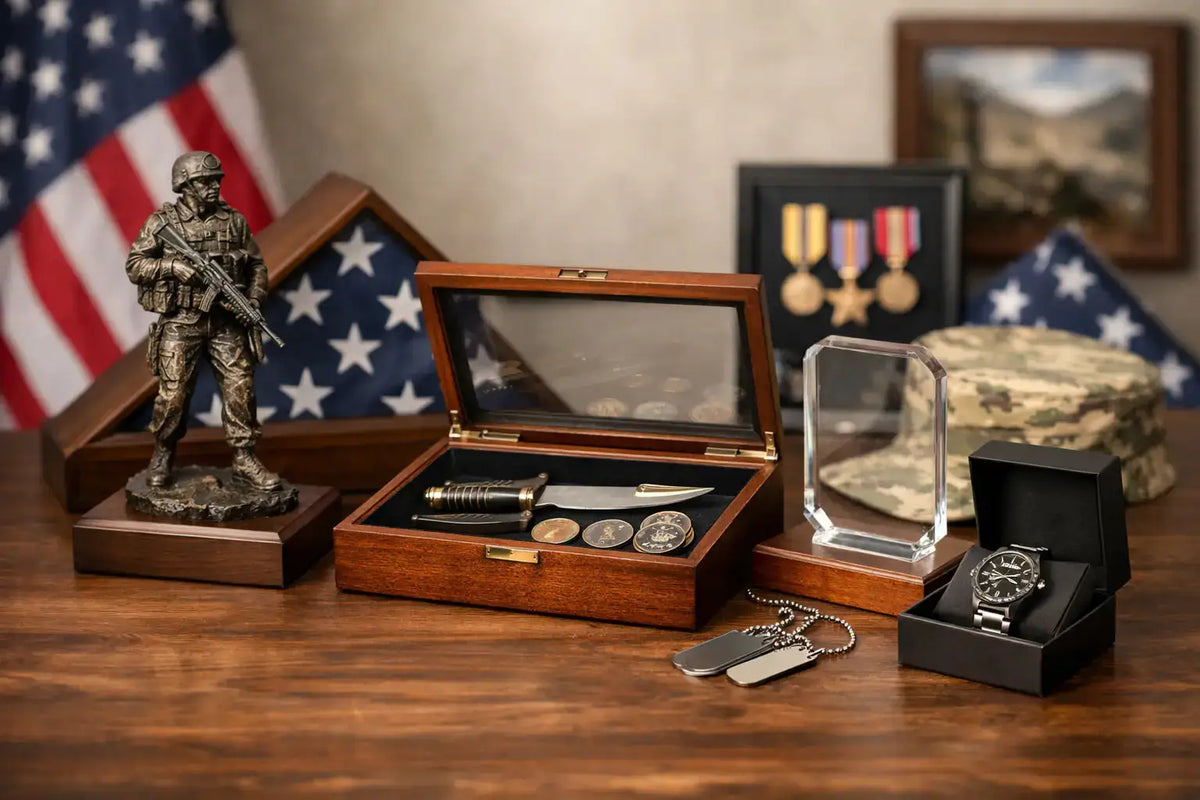
Getting an army gift wrong is usually not about price. It is about relevance. A decent army presentation gifts guide starts with that simple point: the best piece is the one that fits the unit, the occasion and the person receiving it, whether that is a retirement, promotion, farewell, mess presentation or cadet award.
Military presentation gifts carry more weight than standard occasion buying. They are often handed over in front of a troop, squadron, association, family members or old comrades. That means the item needs to look right on the day and still feel right years later. Novelty rarely lasts. Regiment detail, sound build quality and proper presentation usually do.
What makes a good army presentation gift
A proper presentation piece should feel deliberate rather than rushed. That does not always mean large or expensive. In many cases, a smaller item with clear regimental relevance has more value than a generic trophy that could have come from anywhere.
The first test is whether it suits the setting. A formal dining-in, leaving do or retirement event generally calls for something display-worthy, such as a military statue, framed regiment piece or another commemorative item that can sit in an office, study or home. A less formal section-level presentation might suit a practical keepsake or smaller desk display.
The second test is longevity. Army gifts are often kept for decades, so materials and finish matter. Resin or metal figures should have crisp detail and stable bases. Frames should look clean and balanced rather than busy. Engraved plates, where used, need to be simple and accurate. Misspelt names, wrong dates or incorrect cap badge details will be remembered for the wrong reasons.
The third test is authenticity. Buyers in this space usually know the difference between military-themed decor and a genuine military presentation item. If the gift is tied to service, regiment or trade, that link should be obvious.
Start with the occasion, not the catalogue
The quickest way to narrow the choice is to identify why the gift is being given. Different occasions call for different levels of formality.
For retirements, the gift often marks long service and should have presence. A regiment frame or a well-made army statue usually works because it recognises both the person and the institution they served in. These are pieces that display well and tend to suit a broad age range.
For promotions or command appointments, the tone is slightly different. The gift may be more about achievement than farewell. In these cases, a presentation piece with unit detail can work better than anything sentimental. It shows respect without overplaying the moment.
For leaving gifts, it depends on whether the person is moving unit, leaving full-time service or finishing a specific posting. A small team collection can still produce something smart if the item is chosen with care. It is often better to buy one solid piece than a larger but less relevant gift.
For cadet awards and youth presentations, scale matters. You want something respectable, but not so formal that it feels out of place. A clean presentation item that recognises effort, commitment or progress usually lands better than anything overblown.
The best army presentation gifts are usually the clearest ones
There is a temptation to overcomplicate military gift buying. In practice, the strongest options are often the most straightforward.
Military statues remain popular because they are immediate and visible. They work especially well for retirement gifts, mess presentations and office displays. A good figure has weight, clean detailing and a pose that reflects military bearing rather than caricature. If the recipient values tradition, this is usually a safe and respectable choice.
Regiment frames are another dependable option. They suit recipients who have a strong attachment to cap badge, unit history or service identity. Framed pieces can be especially effective for veterans and long-serving personnel because they combine display value with personal meaning. They also tend to fit a range of spaces, from home offices to studies and reception areas.
Engraved presentation pieces can work well, but only when the wording is right. Keep text concise. Name, rank, unit, dates and a short message are usually enough. Long inscriptions often reduce impact and increase the chance of errors.
There is also a place for practical presentation gifts, but this depends on the recipient. A field-focused soldier may appreciate useful kit in some contexts, yet for a formal handover it can look too functional. The line between gift and equipment matters. If the purpose is commemoration, choose something intended to be kept and displayed.
How to match the gift to the recipient
This is where an army presentation gifts guide earns its keep. Two people can leave the same unit on the same day and require completely different gifts.
Start with service identity. Is the recipient strongly tied to a regiment, corps or trade? If yes, regiment-led presentation items usually make more sense than generic military motifs. If no, a broader army-themed piece may be more suitable.
Then consider their stage of service. A young NCO posted onward may prefer something understated. A senior soldier or officer retiring after a full career may warrant a larger or more formal piece. Veterans often value heritage and permanence, while those still serving may prefer something neat that fits a desk or shelf.
Personality matters too, but it should not override military context. A humorous gift might suit a private handover within a close team, but for formal presentations it can date quickly or miss the mark. If there is any doubt, err on the side of respectful and serviceable.
Finally, think about where the item will live. A large statue can be excellent, but only if the recipient has space and is likely to display it. Frames and compact presentation pieces are easier to place and post if needed, including for BFPO or overseas delivery.
Common mistakes buyers make
The most common error is choosing late. Presentation buying often gets left until the final week, which reduces choice and increases the chance of settling for a generic item. If engraving or regiment-specific stock is involved, leaving enough time is essential.
Another mistake is buying for the committee instead of the recipient. Group collections can lead to too many opinions, and the result is sometimes a compromise that pleases nobody. One person should take responsibility for the brief: occasion, budget, recipient and level of formality.
There is also the issue of getting the details wrong. Rank, initials, dates, appointment titles and unit references should all be checked twice. In military circles, accuracy is not a small matter.
Budget can be mishandled as well. A higher spend does not always mean a better presentation gift. Quality and fit matter more than sheer size. A well-selected regiment frame can carry more meaning than a larger but impersonal piece.
A practical way to choose
If you need to decide quickly, keep the process disciplined. First, set the occasion. Second, confirm whether the gift should be formal, semi-formal or informal. Third, decide if regiment detail is essential. Fourth, fix the budget before browsing. Only then should you compare actual items.
At that stage, assess each option against four points: display value, durability, relevance and accuracy. If a piece looks smart, will last, clearly fits the recipient and can be supplied with the correct details, it is probably the right choice.
This is also where a specialist military retailer earns its place. Presentation gifts are easier to judge when they sit alongside genuine regimental accessories and field kit rather than generic giftware. John Bull Clothing, for example, sits in that specialist space where ceremonial presentation items and service-relevant products are part of the same military catalogue, which helps keep the selection grounded in what actually suits forces buyers.
When simple is the right call
Not every army gift needs to be elaborate. Some of the best-received presentation items are clean, traditional and unforced. A tidy framed regiment piece or a well-finished statue can say more than a heavily personalised item that tries too hard.
This matters because military gift giving is as much about judgement as generosity. The aim is to mark service properly, show respect and give the recipient something worth keeping. If the piece feels authentic to their career and suitable for the occasion, you are already most of the way there.
Choose with the same standards you would apply to any decent bit of kit - correct for the job, built to last and free from fuss. That is usually what people remember.