
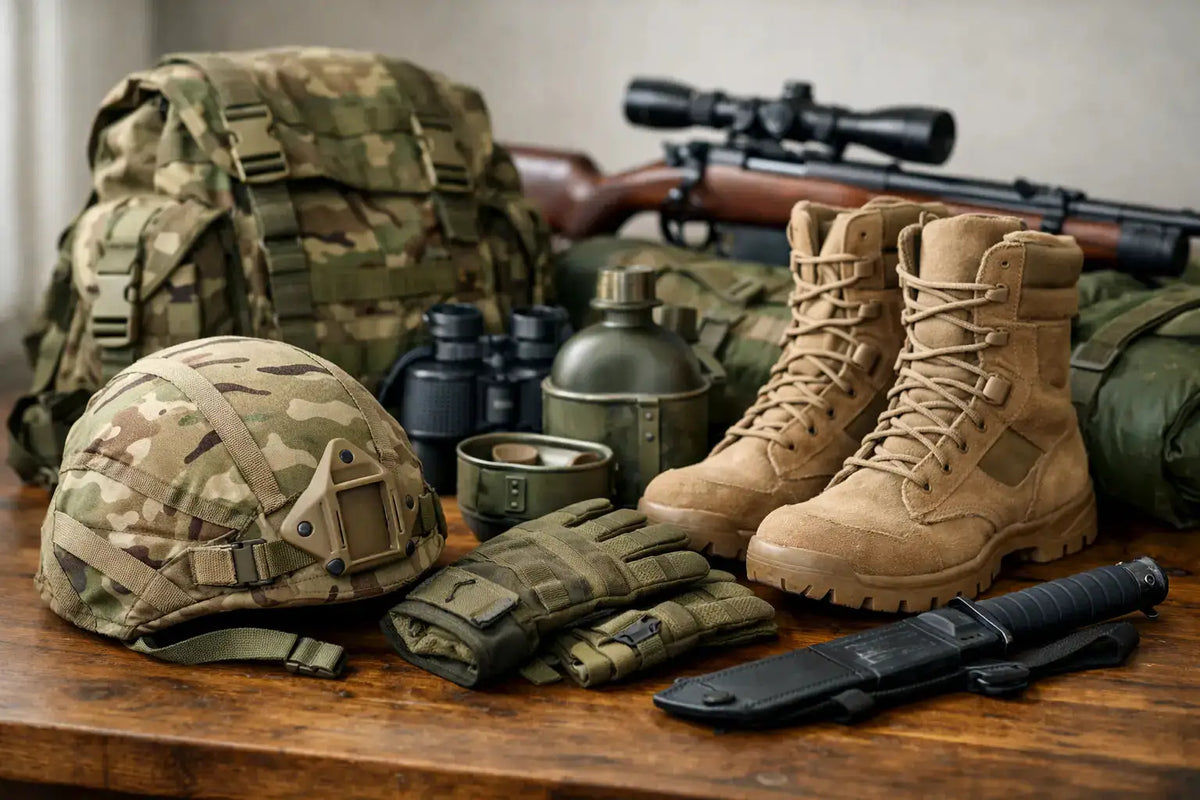
You can usually spot good British Army surplus before you even read the label. The fabric weight feels right, the stitching is straightforward rather than flashy, and every pocket, zip and strap has a job to do. That is the appeal. Proper surplus is not built around trends. It is built around use, and that still matters whether you are serving, training, on the range, in the field, or simply buying kit that will not give up after one season.
The catch is that surplus is not one single category. Some pieces are genuine issued items. Some are ex-military style products made for the civilian market. Some are excellent value. Some are cheap for a reason. If you know what to look for, British Army surplus can be one of the most practical ways to buy dependable clothing and equipment.
Why British Army surplus still appeals
There is a reason surplus continues to attract serving personnel, veterans, cadets, bushcrafters, airsoft players and tradesmen alike. The core strength is simple - military kit is designed around function first. That means durable fabrics, usable storage, weather resistance where it counts, and a cut that allows movement under load.
For many buyers, value is just as important as performance. A surplus smock, rucksack or warm layer often delivers better service life than a budget high street alternative at a similar price point. That does not mean every surplus item outperforms every new product. Modern technical gear can be lighter, drier and more comfortable. But if your priority is hard-wearing equipment with proven utility, surplus remains relevant.
There is also the question of familiarity. Those who have used British Forces-style kit before often know exactly what they want from a jacket, bergen, belt order setup or pair of boots. They are not looking for lifestyle branding. They want equipment that makes sense in poor weather, on rough ground and during long days outdoors.
What counts as genuine British Army surplus?
This is where buyers need to be clear. Genuine surplus generally means former military stock, often issued or stored for service use, then released for civilian sale. Condition can vary from unissued to heavily used. That variation affects both price and suitability.
You will also see military-style or Forces-inspired products sold alongside surplus. There is nothing wrong with that if it is described honestly. In fact, many buyers mix both. A genuine surplus smock might be paired with a new base layer, a current production boot, or a modern daysack from a respected brand. The key is not whether an item is old or new. The key is whether it is fit for purpose.
If a description is vague, be cautious. Buyers should want to know whether they are getting genuine issue, reproduction, or commercial tactical kit influenced by British military design. Clear categorisation is a good sign of a specialist retailer.
The best British Army surplus categories to buy
Some surplus categories consistently make sense. Outerwear is usually near the top of the list. Smocks, waterproofs, field jackets and cold weather layers are often where military design shows its strengths. Good pocket layout, tough fabric and weather protection are more important than fashionable cut, and surplus performs well here.
Load-carrying gear is another strong area. Bergens, webbing, pouches and utility bags are built to carry weight and put up with abrasion. They may not always be the lightest option, but they are commonly dependable. For cadet use, training, fieldcraft and general outdoor utility, surplus load carriage can offer excellent value.
Cooking equipment, mugs, mess tins, sleeping mats and smaller field accessories can also be worthwhile, especially if your priority is practicality over low weight. These are not always refined products, but they are often simple and durable.
Clothing below the waist is more mixed. Combat trousers can be a very good buy, particularly for work, range use or outdoor jobs, but fit varies between contracts and generations. One pattern may suit you well, another may not. Trying to buy by waist size alone is not always enough.
Boots require the most caution. Some surplus boots are outstanding. Others may be well past their best, with worn soles, compromised waterproofing or tired midsoles. For regular use, many buyers prefer new boots from established military and patrol footwear brands because fit, support and condition are more predictable.
What to check before you buy
Condition comes first. Unissued, grade 1 and used are not interchangeable terms, and each tells you something different about expected wear. A used field jacket with minor cosmetic wear may still have years left in it. A used pair of boots with hidden fatigue may not. Read descriptions properly and treat photographs as part of the condition report.
Sizing deserves close attention as well. Military sizing can differ from standard retail sizing, and older surplus often follows a height and chest system rather than the simpler small, medium and large approach. A jacket that fits over layers in winter may feel too loose for summer use. Trousers can be especially variable through seat, rise and leg length.
Look at fastenings, seams and high-wear points. On jackets, check cuffs, elbows, zip runs and drawcord channels. On bergens and pouches, look at buckles, straps and stitching around load-bearing attachments. On waterproof items, remember that age and storage can affect coatings and taped seams.
Camouflage pattern matters too, but mostly in terms of intended use. If you are buying for practical fieldcraft, training or airsoft, pattern choice may be relevant. If you are buying for workwear, dog walking, gardening or green lane use, durability and weather protection are usually more important than the exact pattern.
When surplus is the right choice, and when it is not
Surplus is a strong option when you want tough kit without paying premium prices for the latest technical fabric story. It suits buyers who accept a little extra weight in exchange for reliability, straightforward design and proven field use. For cadet training, general outdoor tasks, workshop wear, camp use and backup kit, it often makes perfect sense.
It is less suitable where low weight, precise fit or guaranteed current-spec performance matter most. If you need a waterproof shell for regular mountain use, a patrol boot for long shifts, or insulated equipment with a very specific warmth-to-weight ratio, modern new kit can be the better answer. The same applies if consistency matters across multiple identical purchases.
That does not make surplus inferior. It means selection should follow the job. A surplus bergen may be ideal for carrying awkward loads in rough conditions, while a newer pack may carry more comfortably over long distances. A surplus smock may outlast a lightweight hiking jacket in dense scrub, while the hiking jacket may be easier to wear on a fast hill day.
Buying from a specialist makes a difference
The surplus market rewards product knowledge. A specialist retailer can usually tell you more than just size and colour. They understand issue patterns, likely fabric weights, intended use, and where older surplus still competes well against current production kit.
That matters because military buyers and informed enthusiasts do not shop by appearance alone. They care about whether a jacket layers properly over combat clothing, whether a bergen accepts useful pocket configurations, and whether a pair of gloves is suited to field tasks rather than just looking tactical. A retailer with a genuine military and surplus background is more likely to sort products in a way that reflects real use rather than generic outdoor categories. That is part of why specialist names such as John Bull Clothing continue to hold their place.
How to build a sensible surplus setup
A practical approach is to use surplus where toughness and value are the priority, then buy new where fit, hygiene or technical performance are more critical. That often means surplus outer layers, pouches, bags and utility kit, combined with new boots, socks, base layers and sometimes waterproofs.
This approach avoids two common mistakes. The first is buying old kit for every role and ending up with unnecessary weight or compromised comfort. The second is dismissing surplus entirely and paying more for newer items that are not actually tougher or more useful for the task.
The best setup is rarely built around labels. It is built around use. Think about the ground, the weather, the load, and how often the item will be worn. If a piece of British Army surplus answers those needs well, it has earned its place.
Good surplus buying is mostly about discipline. Know what the item is, check condition properly, and be honest about whether you need heritage, economy, or performance. Get that right and surplus stops being a gamble. It becomes a reliable way to put proven kit into regular service.