
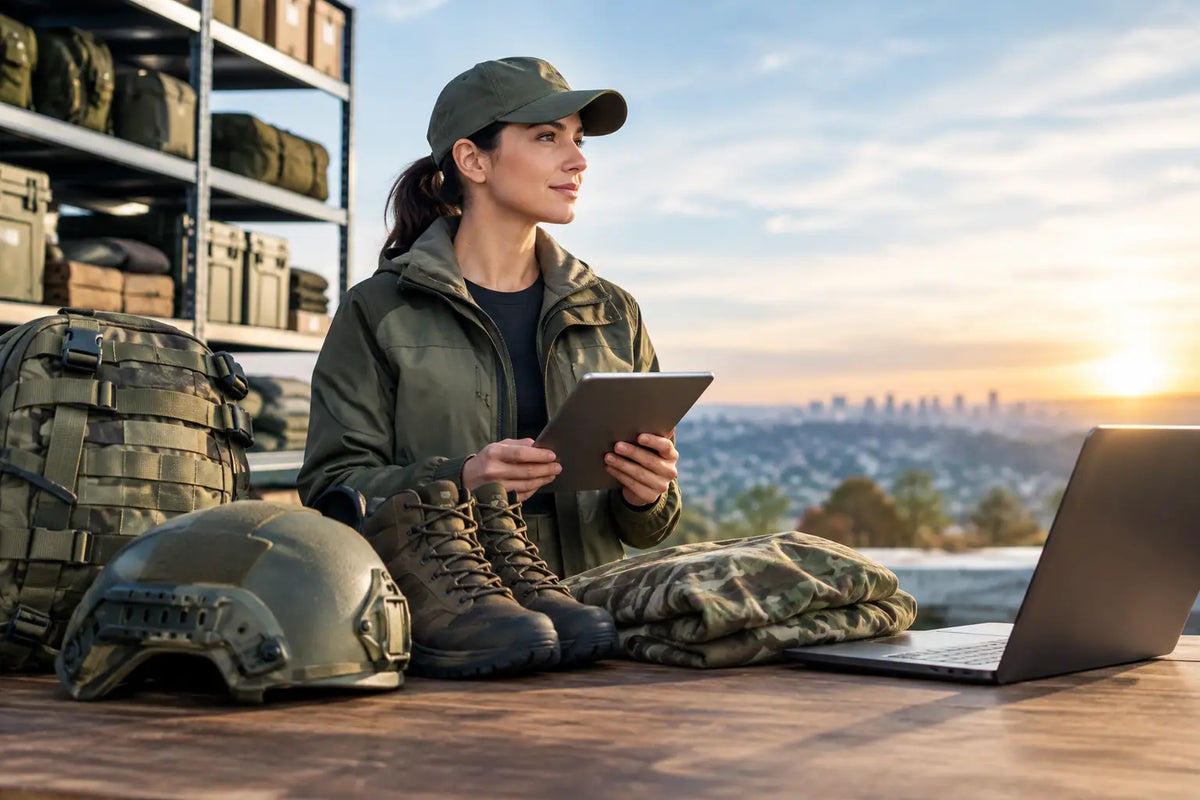
A surplus shop used to be judged by the rail of DPM jackets at the door and the condition of the bergen in the corner. That still matters, but the future of military surplus retail will be decided by something more demanding: whether customers can identify dependable kit quickly, understand exactly what they are buying, and trust it to perform when conditions turn poor.
For serving personnel, veterans, cadets, police, security professionals and outdoor users, military-style equipment is not simply a look. Boots need to fit and support the wearer over distance. A sleeping bag must match the season. Webbing must carry the required load without becoming a nuisance after an hour. The retailers that remain useful will be those that protect that practical standard while adapting to changing supply, technology and customer expectations.
The future of military surplus retail is specialist
The broadest change is a move away from the idea that all surplus is interchangeable. A faded field jacket may be perfectly suitable for casual wear, while an operational user needs to know its fabric composition, condition, sizing and intended role. The same distinction applies to rucksacks, combat trousers, waterproofs and insulated layers.
Specialist retail gives customers the information that general marketplaces often cannot. Is an item genuine issued stock, a commercial military-style product, or a current technical alternative from an established manufacturer? Is it new, grade one, used but serviceable, or better suited to display and collection? Clear answers reduce returns and, more importantly, help buyers select kit for the task rather than the photograph.
This does not mean traditional surplus will disappear. Genuine garments and equipment carry a level of heritage, utility and character that new production cannot always replicate. British field clothing remains popular with collectors and practical users alike because it was designed around real field requirements. However, available stock is increasingly inconsistent. Sizes may be limited, patterns may be discontinued, and condition will naturally vary.
The sensible retailer will therefore combine authentic surplus with reliable new equipment. A customer might choose surplus combat clothing for work around camp or weekend use, then pair it with current waterproof layers, boots, hydration equipment and navigation tools where modern materials and manufacturer support bring a clear advantage.
Provenance will matter as much as price
There will always be a place for a good bargain, particularly when equipping growing cadets, building an airsoft loadout or replacing hard-used clothing. Yet price alone is becoming a weaker buying signal. Customers increasingly want to know where an item came from, what condition it is in and whether its description matches the product delivered.
That puts pressure on retailers to sort stock carefully and describe it honestly. “Surplus” should not be used as a vague label that hides damaged zips, tired waterproof coatings, missing fittings or unverified claims of issue. Used kit can still represent excellent value, but its wear must be reflected in both the grading and the price.
Provenance also protects the credibility of military retail. Regimental items, rank slides, berets, badges and presentation pieces require care because the detail matters. Buyers often know precisely which cap badge, formation sign or unit colour they require. They do not need generic language. They need accurate product naming, useful photographs and a retailer that understands the difference between ceremonial presentation, field use and fancy dress.
For John Bull Clothing and other established specialists, that knowledge is not an added extra. It is the service customers expect when buying kit with military relevance.
New technical kit will sit alongside genuine surplus
Modern field equipment has moved forward rapidly. Waterproof fabrics breathe better than many older systems. Insulation is lighter and packs down smaller. Contemporary patrol boots can offer improved cushioning, ankle support and outsole grip. Hydration systems, head torches, GPS devices and compact cooking equipment have also become more capable and easier to carry.
This changes the role of the surplus retailer. Rather than choosing between old and new, customers will increasingly build mixed systems. An original military smock can still be a hard-wearing outer layer, but it may be used with a modern base layer, a lightweight insulated jacket and a current waterproof shell. A proven military bergen may remain useful, while a new dry bag, organiser pouch or drinking system makes it more practical for current use.
The right choice depends on the job. For collecting, living history, low-cost outdoor wear or a particular uniform requirement, authentic stock may be the priority. For regular hill walking, patrol work, expedition use or wet-weather exposure, the performance benefits of new branded equipment may justify the extra spend. Good retail advice should state the trade-off plainly rather than pretending one category suits every buyer.
Fit and compatibility will drive better buying decisions
As kit systems become more modular, compatibility becomes a major consideration. A belt kit, plate carrier, day sack and hydration carrier need to work together. Knee pads must suit the cut of the trouser. Gloves must allow enough dexterity for navigation, radios or weapon handling where relevant to the user’s role and training.
Better product categorisation will help, but practical detail remains essential. Measurements, capacity, insulation rating, fastening type, fabric weight and care instructions give customers a sounder basis for selecting equipment. For footwear, clear guidance on fit, socks, break-in periods and intended terrain is particularly valuable. Boots that are excellent for a patrol route may be excessive for daily town use, and a poor fit will defeat even the best specification.
Responsible stock management is becoming part of quality
Military surplus retail has a natural advantage over throwaway fashion. A well-made jacket, field pack or pair of boots can remain useful for years, and second-life equipment prevents capable products from being discarded prematurely. That said, responsible retail is more than attaching the word “sustainable” to a used item.
It means inspecting stock before sale, separating reusable equipment from items that have reached the end of safe service, and avoiding overblown claims about condition. It also means helping customers maintain what they buy. Reproofing a shell, replacing laces, cleaning a hydration bladder correctly or storing a sleeping bag properly can extend service life significantly.
Repairability will become more significant as buyers look beyond the initial purchase. Products with replaceable buckles, available spares, durable stitching and established manufacturer support offer better long-term value. This is particularly relevant for load-carrying equipment, boots and technical outerwear, where a small repair can prevent an otherwise sound item becoming waste.
Online retail must retain the confidence of a counter sale
Ecommerce has made specialist kit available well beyond the high street, including to BFPO and overseas customers. The challenge is replacing the reassurance once provided by handling an item across a shop counter. A buyer cannot feel the weight of a fleece, inspect the sole of a boot or compare the scale of a rucksack from a single image.
The strongest online military retailers will compensate with precise product data, multiple photographs, stock clarity and straightforward returns processes. Reviews remain useful, especially where they explain real use: whether a jacket comes up large, how a boot performs in wet ground, or whether a pouch fits a particular belt system. But reviews do not replace sound product knowledge. They work best alongside descriptions written by people who understand the category.
Customers will also expect clear distinctions between civilian tactical products and equipment suitable for professional or field use. Not every camouflage-patterned garment is durable. Not every tactical backpack carries well under load. Retailers who maintain careful ranges, rather than filling pages with lookalike products, will earn repeat custom from buyers who value function first.
Heritage remains an advantage when it is handled properly
Military retail is unusual because it serves practical, ceremonial and personal needs at once. One customer may require a dependable pair of patrol boots. Another may be replacing a lost regimental frame, choosing a presentation statue or finding camouflage clothing for a cadet. The common thread is confidence in the detail.
That heritage should not be treated as decoration. It is a reason to preserve accurate terminology, respect regimental distinctions and supply equipment with a clear purpose. At the same time, retailers must remain current: stock the technical brands that field users trust, explain modern material systems and recognise that younger buyers often begin their kit journey online.
The best direction for the sector is straightforward. Keep genuine surplus honest, make modern equipment easy to compare, and give every customer enough practical information to buy once and buy properly. A retailer that can do that will remain useful long after the novelty of surplus has worn off.