
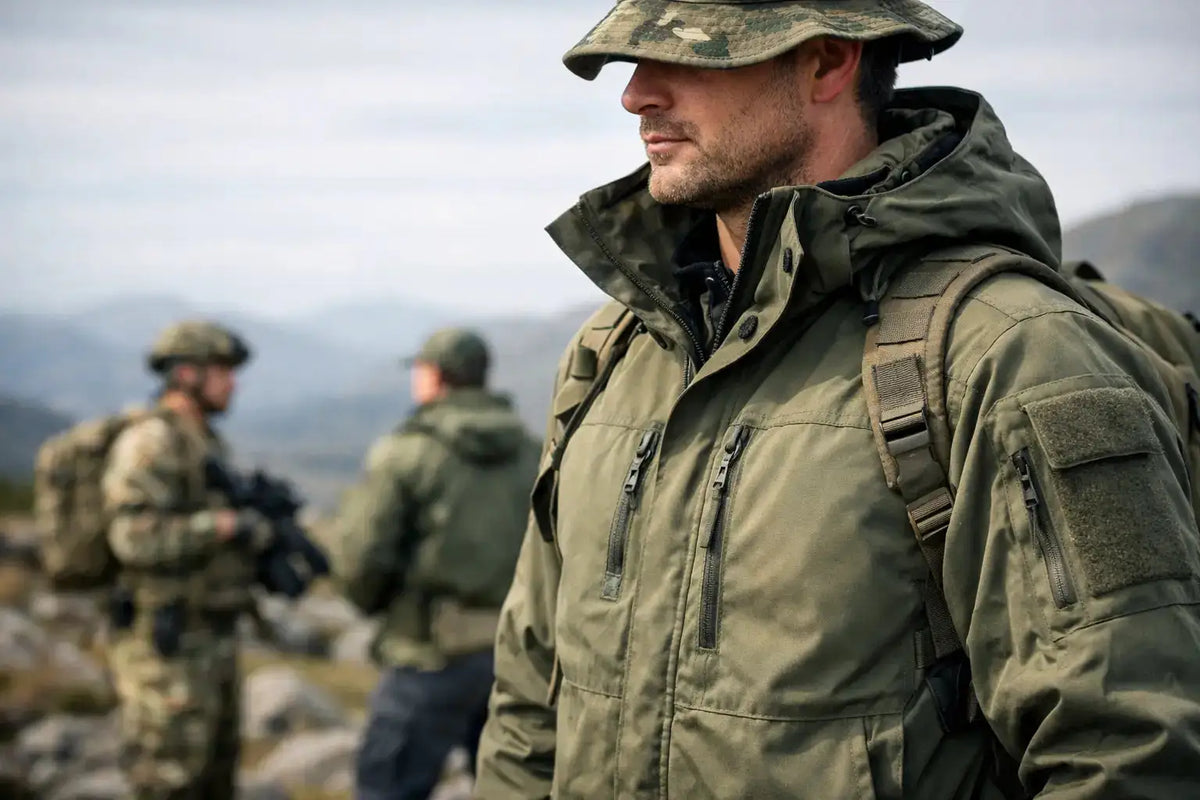
Cold starts, wet training areas and long hours on the move expose poor kit very quickly. A keela military jacket appeals for a simple reason - it is expected to keep working when conditions turn against you, whether you are buying for service use, cadet training, security work or hard outdoor wear.
That expectation is exactly why the details matter. Not every military-style waterproof or insulated layer suits every task, and not every wearer needs the same level of weather protection, packability or durability. If you are considering a Keela jacket, the sensible approach is to look past the badge first and match the garment to the job.
Why a keela military jacket stands out
Keela has a strong reputation among buyers who put function before marketing. That matters in this sector because experienced users are usually not looking for fashionable features. They want protection from wind and rain, usable pocket layouts, dependable zips, sensible hood design and fabric performance that holds up under repeated wear.
A keela military jacket is generally considered by buyers who need one of three things. The first is proper foul-weather protection for field use. The second is an outer layer that can cope with mixed conditions during patrol, range days, work on site or everyday operational movement. The third is a jacket from a respected brand with genuine military relevance rather than generic outdoor styling.
That said, brand reputation should only get a product onto your shortlist. The real question is whether the jacket is right for your environment, loadout and pattern of use.
Start with the job, not the specification sheet
The biggest buying mistake is choosing a jacket on one standout feature alone. Waterproof ratings, membrane technology and military colourways all sound useful, but they tell only part of the story.
If your jacket is mainly for static periods in poor weather, you may place more value on weather sealing, hood coverage and room for layering underneath. If you spend most of the day moving fast with a bergen or webbing, breathability, weight and freedom of movement become more important. If it is for security, police-related tasks or general duty use, you may care more about smart profile, durability and quick access to pockets.
This is where experienced buyers usually think in systems rather than single garments. A shell that works brilliantly over a base layer in mild wet weather may feel less effective in winter if there is no room for insulation. Equally, a heavier jacket that is excellent on an exposed hillside can be too much for vehicle-based work or active movement.
Fit matters more than many buyers expect
A jacket can have excellent fabric performance and still be the wrong purchase if the fit is off. Military and tactical users often need enough room for layers, but too much excess material can snag, flap in wind and become uncomfortable under load-carrying equipment.
A good fit should leave space for a thermal or fleece when needed without making the jacket feel oversized in lighter conditions. Sleeve length also deserves attention. Short sleeves become a nuisance when reaching, climbing or handling equipment, while poor cuff adjustment can let weather in and add bulk around the wrist.
Shoulder and chest fit are particularly important if you expect to wear body armour, webbing straps or a loaded pack. Some jackets feel fine in a standing position but pull across the back once weight is added. That is not always obvious until the jacket is used properly.
Weather protection and breathability
Most buyers looking at a keela military jacket are trying to solve a weather problem first. British conditions are rarely neat. You can have wind, steady rain and mild temperatures in the same afternoon, which is why balanced performance matters.
A highly protective shell is useful, but if it traps too much heat during movement, you may end up wet from the inside rather than the outside. On the other hand, a lighter and more breathable jacket may be ideal for active use yet less effective during prolonged exposure in heavy rain.
There is no universal best option here. It depends on whether you spend more time tabbing, standing, observing, travelling between locations or working in short bursts. For regular field use, practical features such as storm flaps, adjustable cuffs, a protective hood and well-designed closures often matter just as much as the fabric specification itself.
Pocket layout and access in the field
Pocket design separates genuinely useful kit from jackets that only look tactical. If you carry gloves, notebook, torch, map tools or small admin items, poor pocket placement becomes irritating very quickly.
Chest pockets are often preferred because they remain accessible when wearing a belt order, daysack hip belt or other load-bearing equipment. Lower hand pockets can still be useful, but they are less practical if they are blocked by straps or if the jacket is routinely worn with additional kit.
Zipped security is usually preferable for operational use, though some buyers still value quick-access designs depending on the role. The point is not to chase the highest number of pockets. It is to choose a layout that suits what you actually carry.
Durability, weight and the trade-off between them
Anyone who buys field gear regularly knows there is always a compromise somewhere. Heavier fabrics can offer better toughness and confidence in rough ground, vehicles, hides and repeated hard use. Lighter jackets reduce fatigue, pack down more easily and often feel better during movement.
Neither approach is automatically right. A lightweight waterproof can be spot on as a pack-carried contingency layer or for users who prioritise speed and low bulk. A more substantial jacket may suit repeated daily wear where abrasion, contact with equipment and rough handling are expected.
This is one reason specialist retailers remain useful. The audience for this type of kit usually knows that the best jacket on paper may not be the best one for a specific task. Product selection should reflect field reality, not just headline claims.
Who should consider a keela military jacket?
Military personnel and veterans are the obvious audience, particularly those replacing preferred personal kit or buying for off-duty field and outdoor use. Cadet forces and adult instructors may also find value in a jacket with proven wet-weather capability and military-appropriate styling.
Police, security and search teams can be equally relevant buyers, especially where reliable outer layers are needed for prolonged wear in poor conditions. Airsoft and tactical users often look to the same category because they want practical performance rather than costume-grade clothing.
Outdoor users should not dismiss the military side of the category either. A keela military jacket can suit hill use, dog walking, stalking or general hard-wearing country wear, provided the cut, weight and features match the intended use.
Buying for everyday wear versus operational use
There is overlap between the two, but they are not identical. For everyday wear, comfort, moderate weather protection and a sensible appearance may be enough. You might accept a jacket that is slightly heavier or simpler if it is reliable and easy to wear.
For operational or training use, the tolerance for weakness is much lower. Pocket access, hood adjustment, hem control, zip reliability and compatibility with other kit all become more important. What feels like a minor inconvenience in town can become a repeated frustration in the field.
That is why buyers should be honest about use case. There is no point paying for capability you will never need, but it also makes little sense to save money on a jacket that will be tested in poor conditions every week.
What a specialist retailer adds
This type of purchase benefits from a specialist military clothing retailer because the context is different from a general outdoor shop. Buyers are often comparing not just warmth and waterproofing, but also military relevance, field practicality and compatibility with service-style kit.
At John Bull Clothing, that specialist context matters. Customers buying a jacket are often purchasing alongside combat clothing, boots, gloves, webbing or regimental items, and they want kit that makes sense together. A respected brand such as Keela fits that requirement because the buying decision is usually about dependable use, not novelty.
Make the final choice on use, season and layering
Before you buy, think about the worst conditions the jacket is likely to face rather than the best. Consider whether you need a waterproof shell, an insulated outer layer or a jacket that can bridge both through careful layering. Check the fit with realistic under-layers in mind, and think about whether your pockets will still work once you add straps and equipment.
A good jacket should reduce problems, not create new ones. If a keela military jacket matches your environment, your movement level and the rest of your kit, it can be a sound investment that keeps earning its place well beyond one season. Buy for the task in front of you, and the jacket is far more likely to prove itself when the weather turns.