
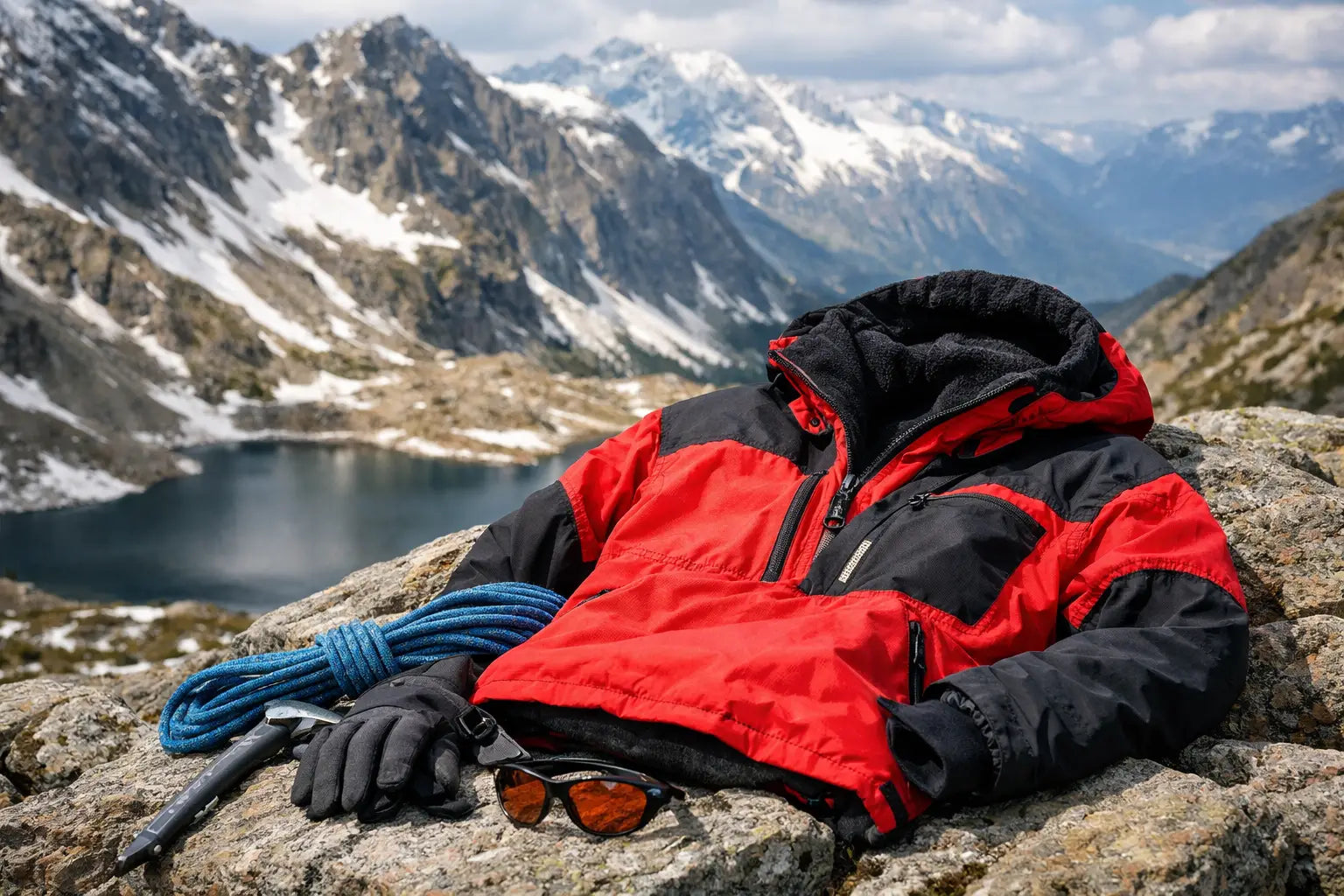
Cold weather kit gets judged quickly in the field. If it traps sweat, rides up under webbing, or loses warmth the moment conditions turn foul, it does not stay in the rotation for long. The Montane Extreme Smock has lasted because it solves a very specific problem well - keeping you warm, protected and mobile in hard, cold conditions where lighter layers stop being enough.
This is not a fashion piece and it is not trying to be an all-season shell. The Extreme Smock has built its reputation with military users, hill-goers and outdoor professionals who need dependable insulation with weather resistance built in. That distinction matters, because if you expect it to behave like a lightweight waterproof or a softshell for mild days, you will miss the point of the garment.
What the Montane Extreme Smock is built for
The Montane Extreme Smock sits in a niche that still makes a lot of sense in the UK. Winter hills, static periods on exercise, exposed firing points, vehicle-based tasks, and cold camps all create the same issue - you need warmth that keeps working when the weather is damp, windy and changeable. Traditional layering can cover that, but only if you have the time, space and discipline to keep adjusting.
A smock like this simplifies the problem. It combines insulation, weather resistance and a practical pullover design in one outer layer. That makes it especially useful when temperatures are low and your priority is staying operational rather than constantly changing kit.
The key point is that this is a systems garment for harsh conditions, not a minimalist technical piece aimed at shaving grams from a bergen. It favours function, coverage and reliability over packability and sleek styling.
Why the Montane Extreme Smock still has a following
There are lighter insulated jackets. There are more breathable softshells. There are shells with better outright waterproof ratings. Even so, the Extreme Smock continues to hold a place because it does several jobs at once, and it does them in a way that suits military-style use.
The insulation is one of the main reasons. In cold wind, especially when activity levels vary, a lightly insulated shell can be more practical than a pure layering approach. You can move, stop, work, and move again without repeatedly changing clothing. For patrol-style movement, range use, or standing around in poor weather, that counts for a lot.
The smock layout also appeals to users who prefer simple, field-friendly design. A longer cut helps coverage. The large chest pocket arrangement is useful with a belt order or when access around other equipment is restricted. The pullover construction reduces some of the vulnerability you get with a full-length front zip in filthy, wet or windy conditions.
There is also a less technical reason - it has a proven track record. For many buyers in the military and surplus market, that still matters. Kit that has been used hard over time earns trust in a way that newer options often have to work for.
Montane Extreme Smock in real British conditions
British weather is rarely neat. It is not just cold, or just wet, or just windy. More often it is a mix of all three, with short bursts of exertion followed by periods of standing still. That is where this smock tends to make sense.
On a dry, bitter day with strong wind chill, it performs exactly as you would want. It traps warmth well and cuts the wind effectively, which helps preserve energy when you are static or moving steadily. In sleet, damp cold and general winter filth, it keeps working better than many people expect because the insulation is part of the garment’s whole concept, not an afterthought.
Where it becomes less ideal is in milder weather or during sustained high-output movement. If you are tabbing hard, climbing quickly, or wearing it through a long march in temperatures that are merely cool rather than cold, you may run too warm. That is not a design failure. It is simply a reminder that this is specialist cold weather kit.
Fit, layering and how it wears with other kit
Fit matters more with the Extreme Smock than many buyers first assume. Too tight and you lose layering flexibility and mobility. Too loose and it can feel bulky, particularly under load carriage. Most users want enough room for a base layer and a light mid-layer without turning the garment into dead space.
The smock format changes how it feels compared with a front-zip jacket. Pulling it on is straightforward, but it is less convenient if you are constantly venting or removing layers in stop-start conditions. On the other hand, once it is on, it tends to feel secure and well sealed, especially in wind.
Under bergens and webbing, the longer body and smock design can work well, though this depends on your exact set-up. Some users like the coverage and warmth around the torso. Others find that any heavily insulated outer layer becomes cumbersome when carrying serious weight. If your routine involves frequent load carriage over long distances, think carefully about whether you need static warmth, movement comfort, or a balance of both.
Strengths and trade-offs
The best way to judge the Montane Extreme Smock is to be honest about the trade-offs. Its strength is not versatility across every season. Its strength is dependable cold weather performance.
You buy this type of garment for warmth, weather resistance and practical field use. You do not buy it because it is the smallest thing in the kit bag or the coolest-running option on a hard ascent. If your use is winter fieldcraft, range days, dog handling, camp duty, vehicle work, or outdoor work where exposure is constant, those priorities line up well.
If your use is fast movement, mixed-season walking, or compact emergency carry, there may be better options. A lighter insulated jacket and separate shell could give you more flexibility. Equally, if you need full waterproof performance for prolonged rain, a dedicated waterproof layer still has a clear role.
This is why the Extreme Smock divides opinion less by quality than by use case. The people who rate it highly usually use it for exactly what it is designed to do.
Who the Montane Extreme Smock suits best
For military personnel, veterans and cadets looking at proven cold weather outerwear, the appeal is straightforward. It is a practical piece for winter tasks, field environments and exposed conditions where comfort directly affects performance.
Police, security and professional users may also find it useful for static outdoor work in cold weather, particularly where warmth and hard-wearing construction matter more than low-bulk urban styling. It has the kind of purposeful build that suits task-driven use.
For airsoft and tactical users, it offers authenticity and function, though again it depends on the pace of activity. In a cold woodland site with long waits between movement, it makes sense. In a high-intensity game, it may be too warm.
For general outdoor users, the question is simpler - do you genuinely need a heavy-duty insulated smock, or do you need a more flexible winter layering system? If your days tend to be cold, exposed and stop-start, the smock remains a serious option. If you mostly walk fast and travel light, perhaps not.
Buying one now - what to keep in mind
Before buying, be realistic about when you will wear it. The best owners of this smock are not trying to force it into year-round use. They bring it out when conditions justify it.
Think about your layering underneath, your typical load carriage, and whether you are often static. Consider sizing carefully rather than guessing from your usual casual fit. This is working clothing, and it needs to fit the job.
It is also worth buying from a specialist retailer that understands military and field use rather than treating it as just another outdoor jacket. That matters when you need clear sizing guidance, dependable stock, and a product range that sits alongside the rest of your cold weather kit. For buyers already building a practical field set-up, John Bull Clothing sits naturally in that space.
The Montane Extreme Smock is still worth serious attention because it has never pretended to be everything. It remains relevant by being very good at one demanding role - keeping you warm, protected and usable when winter conditions start taking shortcuts out of lesser kit.