
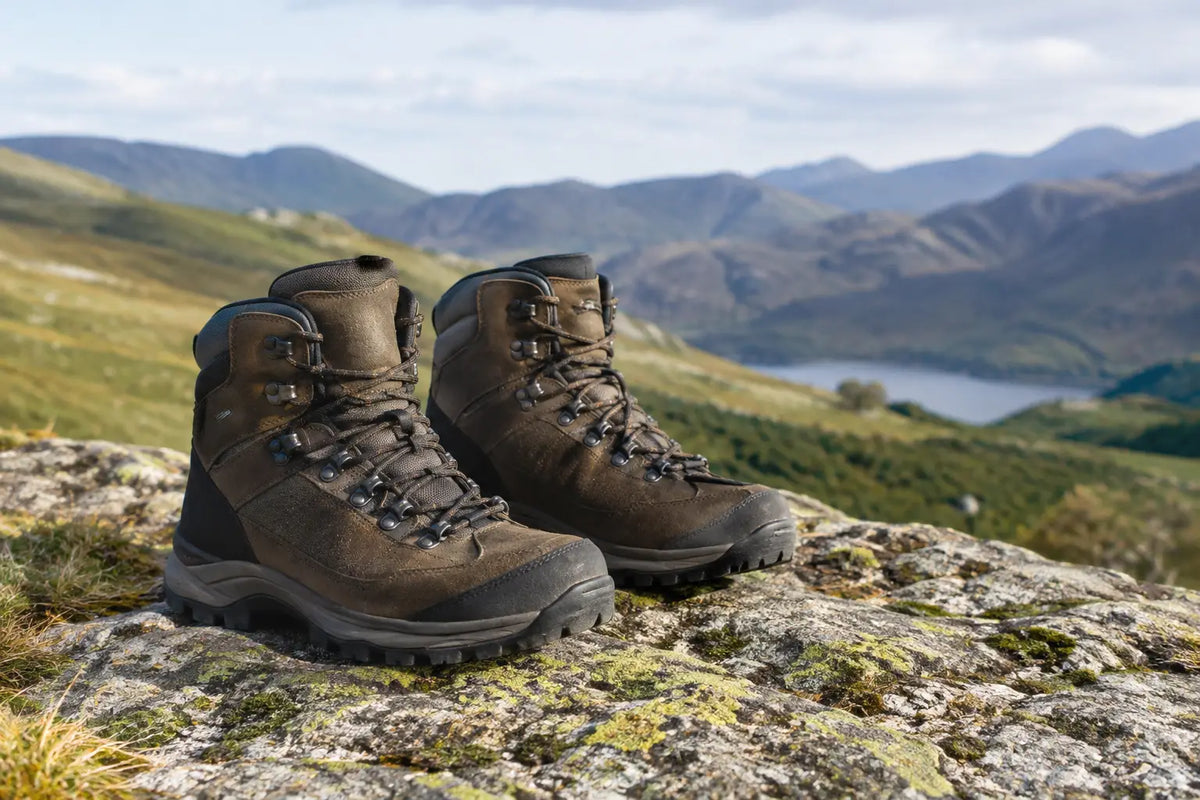
A proper boot earns its place when the ground is wet, the day runs long and there is no option to change footwear halfway through. This Altberg Field and Fell review looks at why the model remains a familiar choice for service personnel, patrol users and country walkers who want supportive leather boots rather than lightweight footwear that gives up early.
The Field and Fell sits in a useful middle ground. It is built with the protection, ankle support and hard-wearing character expected of a military-influenced boot, but it is not solely aimed at one task. That makes it a practical option for fieldcraft, patrol work, range days, dog walking, hill routes and general outdoor use. The compromise is weight and break-in time: this is a traditional leather boot, not a trainer in disguise.
Altberg Field and Fell Review: What It Is Built For
The appeal of the Field and Fell is straightforward. It is designed for people who put mileage into their kit and need more than a soft, casual walking boot. A higher ankle, substantial leather upper and purposeful sole give the wearer stability on uneven ground, through wet grass and across rutted tracks.
For military and security users, that matters when carrying a daysack, wearing webbing or remaining on foot for extended periods. For hill and country users, the same features help when ground conditions change from hard paths to mud, rock and boggy edges. It is a versatile boot, but it is best suited to people who value support and durability above minimum weight.
Altberg has a long-standing reputation for boots made around real foot shapes and practical use. That does not mean every pair will fit every wearer immediately. It does mean the Field and Fell is worth considering if you have found generic hiking boots too narrow, too soft around the ankle or short-lived at the flex points.
Fit, Sizing and the Importance of Trying Them Properly
Fit is the deciding factor with any leather boot. A good Field and Fell fit should hold the heel securely, give the toes room to move on descents and support the ankle without creating pressure around the collar. A boot that feels loose in the heel when new rarely improves with use. A boot that crushes the forefoot is equally unlikely to become comfortable simply because the leather softens.
Try boots with the socks you intend to wear operationally or outdoors. A thin everyday sock can make a correctly sized boot feel too roomy, while a thick wool or cushioned technical sock can alter the fit substantially. Lace the boot fully, walk on an incline if possible and pay attention to heel lift, toe room and any point where the tongue or eyelets press into the foot.
The Field and Fell may feel firm initially, particularly if you are moving from fabric boots or lightweight trail footwear. That firmness is part of what provides dependable support under load. Break them in sensibly with shorter walks before committing to an exercise, a long shift or a full day on the hill. Do not start with a loaded route and hope discomfort will disappear.
Some wearers need a wider fitting; others require a lower-volume boot to avoid movement inside the upper. If the fit is not right, changing lacing technique or adding an insole may help in small ways, but neither is a substitute for starting with the correct size and width.
Support and Comfort on Long Days
The Field and Fell is at its best when the day involves mixed terrain and repeated hours on foot. Leather construction gives a more structured feel than many lightweight alternatives. That support can reduce the sense of the foot rolling around inside the boot when crossing side slopes, stepping over roots or moving through rough ground.
Comfort is not the same as softness. A very soft boot can feel excellent in a shop and then become tiring when carrying weight across uneven terrain. The Field and Fell approach is more traditional: a supportive upper, a secure lacing system and a sole intended to keep its shape over sustained use. Once bedded in, that can be more comfortable over distance than footwear that starts soft but offers little control.
There is a trade-off. The boot can feel warmer and heavier than a modern fabric patrol boot, especially during fast movement in dry summer conditions. If your priority is rapid pace, minimal pack weight and short, fair-weather routes, a lighter boot may be the better tool. If you need one dependable pair for variable British weather and regular use, the extra substance makes more sense.
Grip, Weather Protection and Ground Conditions
Traction is one reason buyers look to a boot of this type. A deep, durable outsole is useful in mud, wet woodland, loose soil and on uneven tracks. No sole is immune to wet polished rock, greasy roots or ice, so sensible foot placement still matters. However, a proper field boot gives a more secure platform than casual walking footwear when conditions deteriorate.
The leather upper is another practical advantage. Properly maintained leather resists abrasion from brambles, rough vegetation and repeated contact with ground or equipment. It also copes well with the occasional knock that would quickly mark or tear a lightweight fabric upper.
Water resistance depends on care as much as construction. Even the best waterproof system cannot perform properly if the leather is dried out, cracked or saturated with dirt. Clean mud off after use, allow boots to dry naturally away from direct heat, then apply the appropriate treatment for the leather and membrane specification. Avoid placing them on a radiator or using intense heat, as this can harden leather and damage adhesives over time.
For shallow puddles, wet grass and normal British field conditions, a well-maintained boot is a strong choice. For prolonged water crossings or standing water above the collar, no conventional boot can keep water out indefinitely. Gaiters can help keep rain, debris and surface water from entering over the top, but they are not a cure for deep immersion.
Durability and Maintenance
A Field and Fell boot is an investment in service life, and maintenance determines how much of that life you get. The sole, stitching and upper will inevitably see wear if the boots are used properly, but regular attention prevents small problems becoming expensive ones.
After muddy use, brush off loose dirt and rinse only when necessary. Remove the footbeds periodically so the interior can air out. If the boots become soaked, stuff them loosely with paper and replace it as it absorbs moisture. This helps them dry at a controlled pace while retaining their shape.
Check the laces, hooks and sole edges before a long outing. Laces are easy to replace before they fail; discovering a damaged lace halfway through a wet route is needless inconvenience. Watch the outsole for reduced tread and inspect the flex areas of the leather for dryness. Good boot care is not cosmetic. It protects weather resistance, comfort and lifespan.
Who Should Choose the Field and Fell?
This boot makes most sense for those who need a capable all-rounder with traditional build quality. It suits military personnel and veterans who prefer a supportive leather option, police and security professionals spending long periods on foot, cadet instructors, field sports users and outdoor walkers who value stability over ultralight performance.
It is less suitable for those who mainly walk on pavements, need a very low-profile boot for warm-weather travel or want zero break-in from the box. It may also be more boot than necessary for short, dry routes with no load to carry. Choosing the right footwear means matching the boot to the work, not simply buying the toughest-looking option.
At John Bull Clothing, the Field and Fell is best viewed as dependable field kit: built for regular use, poor weather and ground that asks more of your footwear. Get the fit right, give the leather the care it deserves and it should be the pair you reach for when the forecast and the route are both uncertain.