
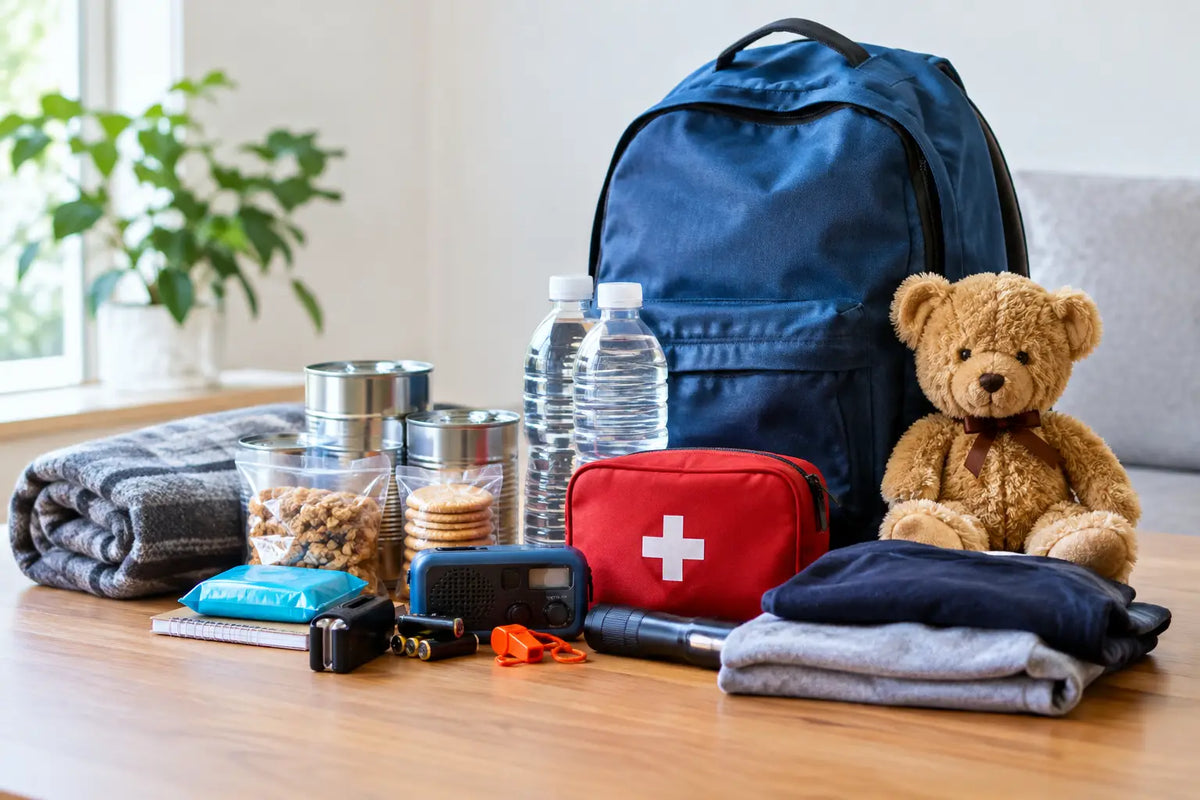
A child’s rucksack should not be a miniature version of an adult bergan. Well-planned kids' survival kits are small, familiar and built around a straightforward purpose: keeping a young person warm, visible, hydrated and able to communicate while an adult resolves the situation.
That could mean a delayed walk back from a family hike, a wet afternoon at cadet fieldcraft, a school expedition, or a temporary separation on a busy campsite. The useful kit is not the most tactical-looking kit. It is the kit a child can carry, understands how to use and will not lose at the bottom of their bag.
What kids survival kits are really for
For children, survival preparation begins with prevention. Appropriate clothing, a known route, an adult-led plan and a charged mobile phone held by the responsible adult will prevent far more problems than any pouch of specialist equipment. A kit is the backup, not permission to take greater risks or wander further from the group.
Its priorities differ from an adult emergency load. Children lose heat quickly when wet or inactive, may struggle to explain where they are, and can become frightened before a practical issue becomes serious. Their equipment should therefore favour shelter, warmth, signalling and simple comfort over heavy tools or complicated gadgets.
The right contents also depend on the activity. A ten-minute walk in a local wood needs very little beyond sensible clothing and supervision. A full day on open ground, a Duke of Edinburgh-style training weekend, a fishing trip or a family camping holiday calls for a more considered pack. Weather, terrain, group size and the child’s age all matter.
Core items to pack first
Start with clothing and protection from the elements. A lightweight waterproof jacket, warm insulating layer and hat are generally more valuable than a novelty ‘survival’ item. If conditions are cold or wet, pack a spare pair of socks in a waterproof bag. Dry feet and an extra warm layer can make an enormous difference during an unexpected wait.
A compact emergency bivvy or survival bag is a sound addition for older children on supervised outdoor activities. Choose one that is easy to open and practise using it at home or on a dry day. A child who has never handled a crinkly foil bag in wind and rain is unlikely to find it reassuring when they need it.
Water is next. A filled, durable water bottle is better than relying on a child to treat water from a stream. Include a small high-energy snack they will actually eat, such as a cereal bar, dried fruit or biscuits. Check ingredients where allergies are a consideration and replace food before it goes stale.
For finding and being found, a loud pea-less whistle is one of the most effective pieces of kit available. Attach it to the rucksack chest strap or keep it in an accessible pocket. Teach the child that six blasts, repeated after a pause, is a recognised distress signal. A simple LED torch or compact head torch, with fresh batteries, is equally useful for a late finish or power cut. A head torch leaves hands free, although younger children may find a basic hand torch easier to manage.
A small personal information card should be protected in a clear waterproof sleeve. It can state the child’s first name, a parent or guardian’s telephone number, any medical needs and an emergency contact. Avoid displaying the child’s full name prominently on the outside of their kit. For older children, a laminated card can also include simple reminders: stop, stay put, use the whistle, get warm and wait for help.
A basic first aid element has a place, but keep it modest and age-appropriate. Plasters, a sterile dressing and antiseptic wipes are practical for minor cuts under adult supervision. Medication should stay with the responsible adult unless a clinician and parent or guardian have agreed that the child must carry it. Children should not be expected to diagnose injuries or use equipment they have not been taught to use.
Choose kit that a child can operate
A survival kit fails if every item needs adult hands. Test zips, bottle lids, torch switches and whistle cords before heading out. Gloves, waterproofs and emergency bags should be usable with cold hands, not just in the kitchen.
Keep the pouch bright rather than camouflage. Camouflage clothing may suit cadet activities, airsoft or fieldcraft, but an emergency pouch should be easy to spot against leaf litter, heather or a tent floor. Orange, red or high-visibility yellow are sensible choices. A reflective tab on the rucksack also helps in low light.
Weight deserves the same attention as contents. A child already carrying lunch, waterproofs and a drink does not need a large survival tin full of duplicate items. For a short family walk, a whistle, torch, snack, water and spare warm layer may be enough. On longer outings, add a bivvy bag, information card and basic first aid items.
Avoid packing blades, fire-lighting equipment or strong cord simply because they appear in adult survival kits. A knife is a tool with a clear training and supervision requirement, not a standard child emergency item. Fire is particularly poor risk management for a lost or frightened child. Matches, lighters and ferro rods can cause injury, start a fire and encourage the wrong response. The instruction should be to stay safe, stay visible and attract help.
Teach the routine, not just the equipment
The best moment to explain an emergency plan is before the outing, when nobody is cold or worried. Keep the language direct. If separated, the child should stop moving, avoid trying to shortcut back, use their whistle, put on warm clothing and stay where they can be seen safely. They should not follow an unfamiliar adult or leave a safe, obvious location to search for the group.
Practise this calmly. Let them try the whistle, open the emergency shelter and switch on the torch. Explain that the whistle is for emergencies, not for repeated use around camp. Familiarity reduces panic and lets you identify unsuitable kit before it matters.
For older children and cadets, basic navigation training adds real value. They should understand the route plan, know how to identify a clear feature such as a gate, path junction or building, and be able to give a simple description of where they last saw the group. A map and compass are excellent fieldcraft tools, but they require instruction and regular practice. They do not replace adult supervision or a known route.
Pack for the setting, then review it
A kit for the car differs from one carried on foot. A family vehicle can hold extra blankets, waterproofs, water and a more substantial first aid kit. A child’s day sack must stay light enough to be carried without complaint. For camps, add a small rubbish bag, spare socks and any prescribed medication arrangements agreed by the supervising adults.
Review the kit at the start of each season. Replace flat batteries, remove melted or out-of-date snacks, check that waterproof bags still seal and make sure the clothing still fits. Children grow quickly, and a jacket that no longer covers the wrists is not reliable bad-weather kit.
John Bull Clothing customers who already equip cadets or young outdoor users will recognise the principle: dependable field kit is selected for the task, not for appearances. A well-made rucksack, practical waterproof layer and reliable torch usually earn their space more readily than a pouch full of gimmicks.
A sensible final check before setting off
Before leaving, confirm that the child has water, weather-appropriate layers, a whistle, a torch and the information card. Make sure they know who is responsible for the route, where the group is going and what to do if they cannot see the others. Then let them enjoy the day.
The most useful kids survival kits build quiet confidence rather than fear. Pack only what supports the plan, show children how it works, and make good judgement the piece of equipment they carry everywhere.