
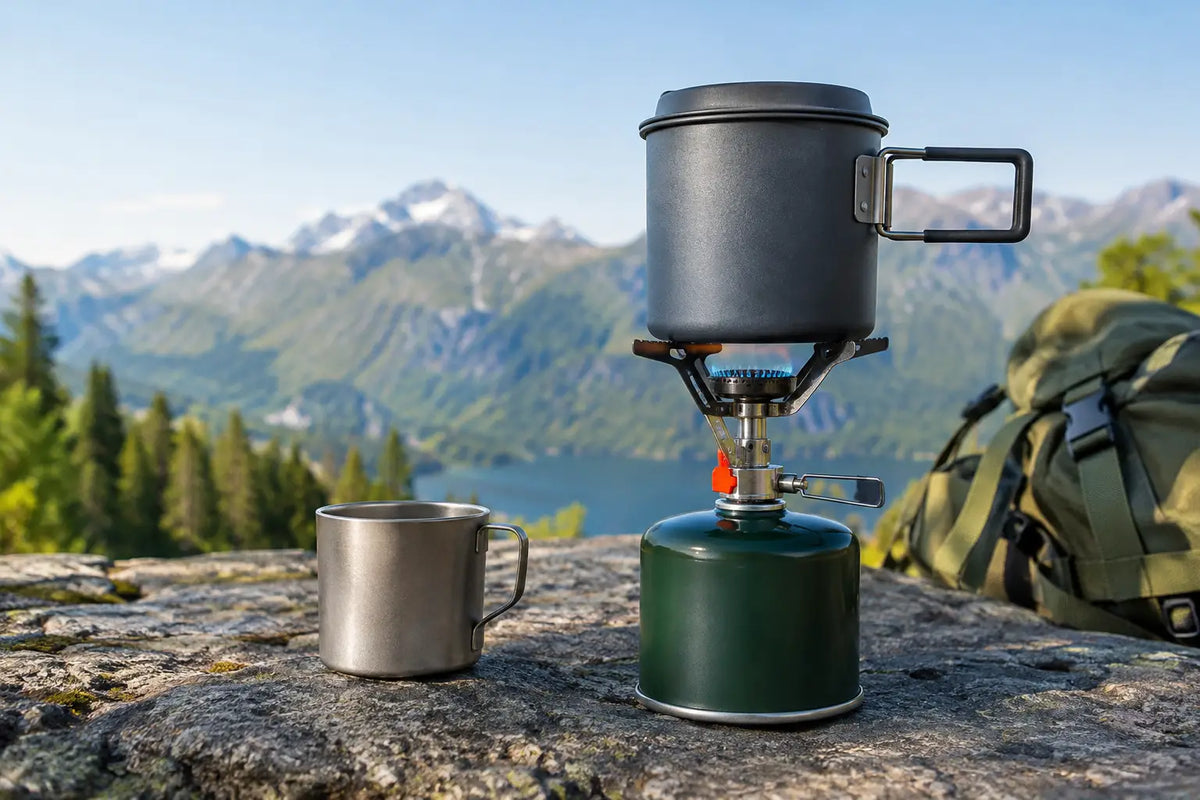
A stove that boils quickly on a calm campsite can become a poor bit of kit when the wind is up, gloves are on and the ground is wet. That is the standard behind this military camping stove review. For field use, the best stove is not necessarily the lightest or the most powerful. It is the one you can fuel, light, control and pack away without fuss when conditions are working against you.
Military-style cooking kit has long favoured simple principles: protect the flame, carry fuel safely, use a stable pot support and avoid unnecessary moving parts. Modern gas systems have improved speed and convenience, but older liquid-fuel and solid-fuel designs still earn their place where reliability, common fuel sources and low-profile operation matter more than comfort.
Military Camping Stove Review: What Matters in the Field
A useful stove assessment starts with the task. Heating a brew during a day exercise is very different from preparing two hot meals for a pair in poor weather. A cadet weekend, a fishing overnighter and a vehicle-supported camp all place different demands on fuel capacity, weight and cooking time.
The first consideration is fuel. Canister gas is clean, fast and straightforward, particularly for three-season use. A screw-thread burner with a pan support is compact and easy to operate, but performance falls as the canister cools and it is less convenient when you cannot source the correct cartridge. It also needs sensible wind protection. A full surround can trap heat against the canister, so use a proper windshield only as directed by the manufacturer.
Liquid-fuel stoves are more involved. They require priming, regular cleaning and confidence in handling fuel, yet they tend to remain useful in cold conditions and on longer trips. Some models can run on more than one fuel type, which is valuable for expedition and overseas travel, but versatility brings maintenance. If you are not prepared to carry the correct spares and learn the lighting sequence, a simpler stove is usually the better purchase.
Solid-fuel cookers deserve more respect than they often receive. A compact folding stove and fuel tablets add very little bulk to a bergan, cost little, and provide a dependable back-up for boiling water or heating a ration pouch. They are slow, leave residue, and offer limited flame control. For a full weekend menu they are restrictive. For emergency use, day patrol packs or a minimalist brew kit, they remain practical.
Stove Types Compared
Canister gas stoves
For most UK hill days, camps and general outdoor use, a canister stove is the easiest option. It lights quickly, simmers better than most solid-fuel systems and makes efficient use of a small pot. Remote-canister versions offer a wider, steadier platform for larger cookware and are often easier to shield from the wind, although they take up more room.
The trade-off is dependency on cartridges. Check the valve type before buying, consider how many boils are genuinely needed, and never assume a partly used canister will see you through another trip. In cold weather, keep the canister insulated from the ground and plan for longer boil times.
Liquid-fuel stoves
A pressure or multifuel stove suits users who need a hard-working cooker rather than a quick tea solution. They produce serious heat, cope well with larger pans and can be more practical over extended stays than carrying a pile of gas canisters. They are a sound choice for cold-weather trips, vehicle-based field kitchens and remote expeditions.
Their weak point is complexity. Priming can flare if done badly, seals wear, jets block and fuel bottles need disciplined handling. Use the correct fuel, inspect the hose and connections before each outing, and practise lighting the stove outdoors before relying on it in rain or darkness. This is capable kit, not fit-and-forget kit.
Solid-fuel and hexamine cookers
The appeal here is obvious: a folding metal stove, a few tablets and a metal mug can form a complete hot-drink set-up. There is no pressurised container and no burner to strip down. They work well with Crusader-style cup systems and similar nesting cook sets, where space is limited and the objective is simply to get water hot.
Expect a measured pace. Wind quickly reduces efficiency, tablet flames are affected by damp storage, and blackening underneath the mug is normal. Carrying a small folding windshield can help, provided it does not create a fire risk or restrict safe ventilation. Keep tablets dry in a sealed pouch and treat the system as a deliberate, low-output cooker.
Integrated cooking systems
Integrated gas systems combine burner, pot and heat exchanger. They boil water rapidly and use fuel efficiently, making them attractive for freeze-dried meals, brews and fast-moving camps. They are less useful for frying, cooking for several people or placing ordinary cookware on top.
For solo users who mainly boil water, they are exceptionally convenient. For a general-purpose military camp kitchen, a conventional stove and separate pan set normally provide more flexibility.
Stability, Wind and Real Cooking
A stove’s quoted boil time is only part of the picture. In British conditions, wind management and pot stability usually matter more. A narrow burner with a tall mug may be fine on a picnic table but awkward on uneven ground. A low, wide stove with a properly sized pan offers greater confidence when handling hot water in gloves.
Choose cookware that matches the stove. A small gas burner does not need a large mess tin balanced across it. Equally, a heavy frying pan can overload lightweight pot supports. If cooking for two or more people, prioritise a remote-canister or liquid-fuel model with a broad base, then accept the additional packed size.
Fuel efficiency is improved by sheltering the cooking position naturally, such as behind a wall, bank or vehicle, while maintaining open-air ventilation and a clear area around the stove. Do not cook inside a tent, bivvy bag, vehicle or enclosed porch. Carbon monoxide, fire and burns are not minor inconveniences in the field.
Build Quality and Serviceability
Military-minded buyers should look beyond the initial finish. Pot supports should fold firmly and lock into position. Burner arms should not feel loose. Threads must engage cleanly, and hose connections should be protected when packed. A stove can look suitably tactical and still be a poor choice if a single bent component makes it unusable.
Serviceability matters most with liquid-fuel models. Check that replacement jets, seals, pumps and tool kits are available before committing. For gas stoves, inspect the burner head, igniter and valve control. Piezo ignition is useful but should never be your only means of lighting the stove - carry a lighter and weatherproof matches.
At John Bull Clothing, the sensible approach is to build a cooking set around the outing rather than chase the most complicated stove available. A compact gas stove may be right for a weekend bergan; a solid-fuel set can be the dependable reserve in a day pack; a larger multifuel unit earns its weight when the trip is longer, colder or feeding more people.
Safe Field Use and Packing Discipline
Set the stove on level, non-combustible ground, clear away dry grass and keep spare fuel well clear of the flame. Let the burner cool before dismantling it. With gas, disconnect only when safe to do so and protect the valve during transport. With liquid fuel, release pressure and check the bottle cap before it goes back into the pack.
Carry enough water for cooking and cleaning, but avoid pouring unused food residue into watercourses. A small scourer, cloth and rubbish bag add little weight and keep a mess tin usable over several days. If using solid fuel, allow ashes and the stove to cool fully before packing them away.
The right stove is the one that supports your routine without becoming another problem to manage. Pick a simple gas burner for speed, a multifuel stove for sustained cold-weather capability, or solid fuel for compact back-up use. Then practise with it before the first field night - because dependable kit only proves itself when the weather is poor and the brew is overdue.