
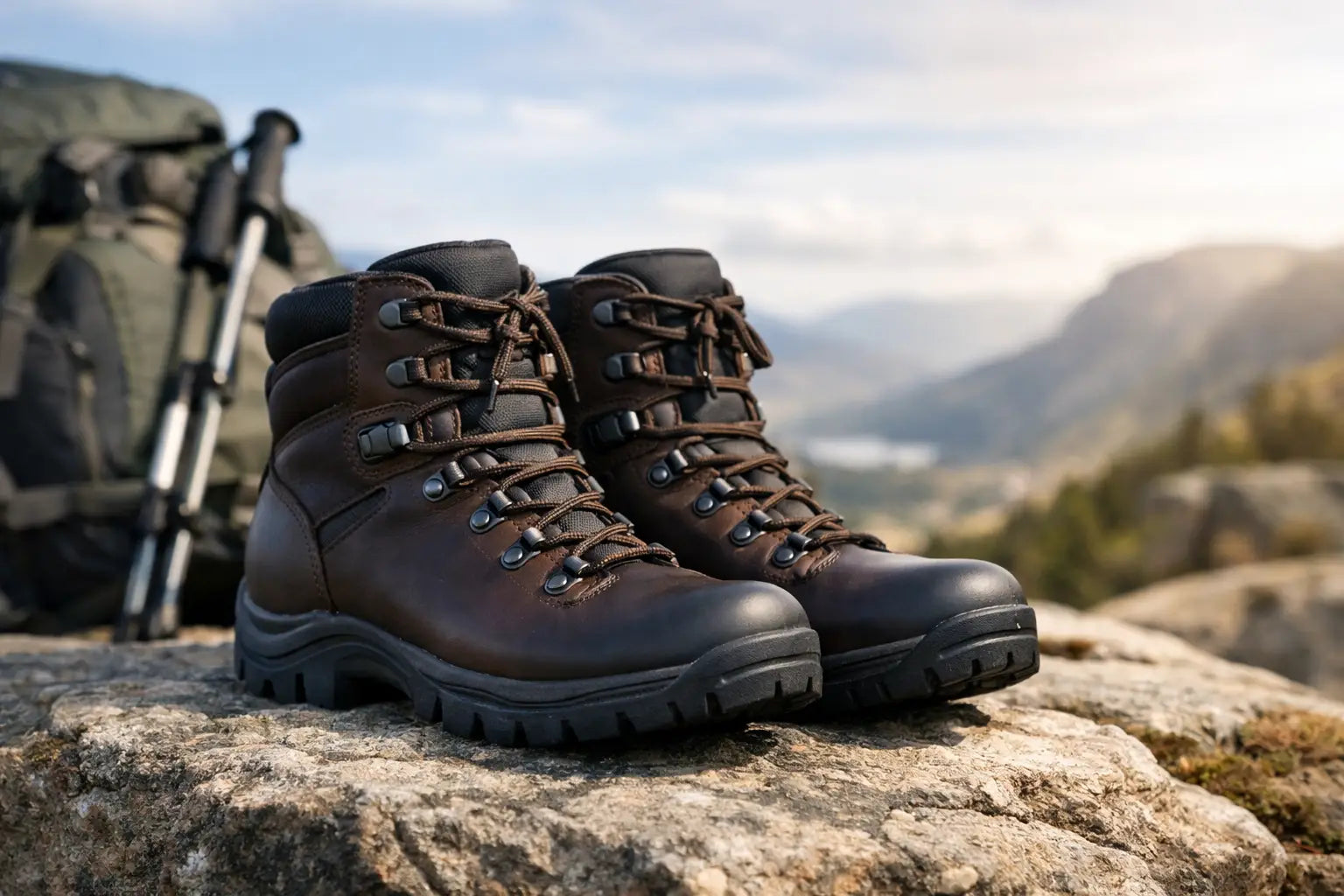
A boot can feel excellent for ten minutes on a shop floor and become a liability halfway through a tab, patrol or wet training area. This Altberg boot review looks at why the brand has earned a serious following among military, police, security and outdoor users, and where the higher price and firmer feel make less sense.
Altberg boots are not bought for fashion. They are bought by people who need stable footing, reliable ankle support and leather that keeps working after repeated use. That is the right starting point for judging them: not whether they feel like lightweight trainers out of the box, but whether they remain dependable when the ground, weather and load are against you.
Altberg Boot Review: Build Quality and Purpose
Altberg is a British bootmaker with a long-standing reputation in the military and outdoor footwear market. Its range covers different working environments, from general field use and tabbing to policing, security work, hot-weather conditions and hillwalking. The important point is that there is no single "Altberg boot" experience. A model intended for hard, wet ground will feel and perform differently from a lighter patrol or jungle design.
Across the range, the common attraction is purposeful construction. Full-grain leather uppers, substantial soles, secure lacing systems and a supportive boot shape are recurring features. These are boots designed to be repaired, cleaned and used hard rather than treated as a disposable seasonal purchase.
The leather is a particular strength. Proper leather boots take care, but they can mould to the wearer’s foot over time and offer far better long-term protection than many lightweight synthetic alternatives. When maintained with the correct cleaning and conditioning products, they can cope well with rain, mud, abrasion and regular polishing where a smarter finish is required.
That durability comes with a trade-off. Leather adds weight, dries more slowly than a thin fabric boot and needs attention after wet use. Anyone expecting a featherweight running-shoe feel should look carefully at lighter Altberg options rather than choosing a traditional leather field boot by default.
Fit Is the Deciding Factor
Fit matters more than brand reputation. A correctly fitted Altberg boot should hold the heel securely, leave enough room at the toe for downhill movement and avoid pressure across the instep. It should feel supportive rather than painfully tight.
Altberg is well regarded for offering a range of fittings on selected models, which is valuable for users who struggle with standard-width military footwear. Wider feet, narrow heels and high insteps are common reasons why an otherwise capable boot fails in service. A boot that suits one colleague perfectly may cause heel lift or numb toes for another.
Try boots on later in the day if possible, when feet are naturally slightly larger. Wear the socks you would use for work, training or hill days, not thin dress socks. Lace the boot properly, walk on an incline if available and pay attention to three areas: heel movement, toe room and pressure over the top of the foot.
A small amount of stiffness in a new leather boot is normal. Burning hot spots, pinched toes or a heel that rises noticeably are not break-in issues to ignore. They are warning signs that the size, width or model is wrong.
For operational users, it is also sensible to consider orthotics, issued insoles or preferred aftermarket footbeds before committing. A quality boot cannot compensate for a poor insole arrangement or badly chosen sock system.
Support Under Load and on Uneven Ground
The main reason to consider an Altberg boot is support. On loose stone, woodland tracks, wet grass and uneven training ground, a well-built boot gives the foot and ankle a more stable platform than a low-cut shoe. This matters further when carrying bergens, body armour, work equipment or a day pack.
A firmer sole and stiffer upper reduce the amount of flex under load. That can help control fatigue over long distances, especially for wearers who regularly experience foot movement inside softer boots. The downside is reduced agility compared with a light tactical boot. For close-quarter work, vehicle use or short urban patrols, some users may prefer less bulk and a more flexible sole.
Grip depends on the exact sole fitted and the conditions underfoot. No boot sole is perfect everywhere. Deep lugs can clear mud well but may feel less comfortable on hard pavements; a flatter, quieter sole may suit patrol work but offer less purchase in thick mud. Choose according to the surface you actually cover most often, not the terrain shown in product photographs.
Waterproof-lined models offer another clear compromise. They are useful in persistent rain, wet grass and shallow standing water, and can keep feet comfortable through a long damp day. However, once water enters from the top, a waterproof membrane boot can take longer to dry. For hot climates, river crossings or consistently wet environments, a drainage-focused jungle boot may be the more practical choice.
Break-In: What to Expect
A sensible break-in period is part of owning leather field boots. Do not take a brand-new pair straight on a loaded tab, a weekend exercise or a full shift with no prior wear. Start with short walks, then build up distance and load as the leather begins to soften and shape around the foot.
Keep the first few outings dry if possible. Wet leather can stretch and crease differently, and it is easier to identify a fit problem before the boots have been heavily treated. Use the lacing system consistently. Locking the heel into place before tightening the upper section can make a meaningful difference to comfort.
There is no value in forcing a painful boot to "give". Well-made boots may need bedding in, but they should not cause repeated blisters after sensible fitting and gradual use. If a pressure point persists, reassess the fit, socks and insole rather than assuming discomfort is unavoidable.
Care Determines Service Life
Neglect is the quickest way to shorten the life of an expensive leather boot. Mud left to dry pulls moisture from leather, blocks stitching and makes cleaning harder. After use, brush off dirt, remove the insoles where practical and let the boots dry naturally in a ventilated place.
Do not place them directly on a radiator, in front of a heater or against a fire. Fast, high heat can dry and harden leather, damage adhesives and encourage cracking. Paper can be used inside to absorb moisture, provided it is changed as it becomes damp.
Once clean and dry, apply a treatment suited to the boot’s leather and lining. Over-conditioning can soften leather too much and affect breathability, while the wrong wax or oil may reduce the performance of a waterproof membrane. Follow the boot manufacturer’s care guidance, particularly on lined models.
Check the outsole, laces, eyelets and stitching routinely. Replacing laces early is cheaper and safer than having one fail during a long day. Good-quality boots are a long-term purchase only if their basic maintenance is kept up.
Which Altberg Boot User Gets the Best Value?
Altberg makes most sense for someone who spends real time on foot and needs predictable support. Military personnel, reservists, police officers, security professionals, instructors, hillwalkers and outdoor workers are likely to appreciate the construction and fit options. Cadets and occasional users may still benefit, but should be realistic about how often the boots will be worn.
For light dog walks, occasional airsoft skirmishes or short dry-weather use, a less costly boot may be adequate. The premium becomes easier to justify when footwear is used weekly, carried under load or relied upon in poor weather. A failure at that point is more than an inconvenience.
Before ordering, identify the role first: general field boot, patrol boot, tabbing boot, hot-weather boot or wet-weather hiking boot. Then consider the expected load, terrain, climate, required appearance and any unit dress or footwear policy. Personnel should always confirm local requirements through their chain of command, as acceptable styles can vary.
Are Altberg Boots Worth It?
For the right wearer, yes. The appeal is not a novelty feature but the combination of support, durable materials, established military credibility and a range built around genuine working conditions. They are often heavier and slower to break in than modern lightweight alternatives, and they demand proper care. Those are not minor points.
If your priority is fast drying, low weight and immediate flexibility, choose a model specifically built for that task or consider another boot category. If your priority is a secure, long-serving boot for field use, long days and uneven ground, Altberg remains a sound choice.
The best pair is the one that fits your foot, suits your ground and has been worn in before it matters. Give that decision the same care you would give any other piece of essential field kit.