
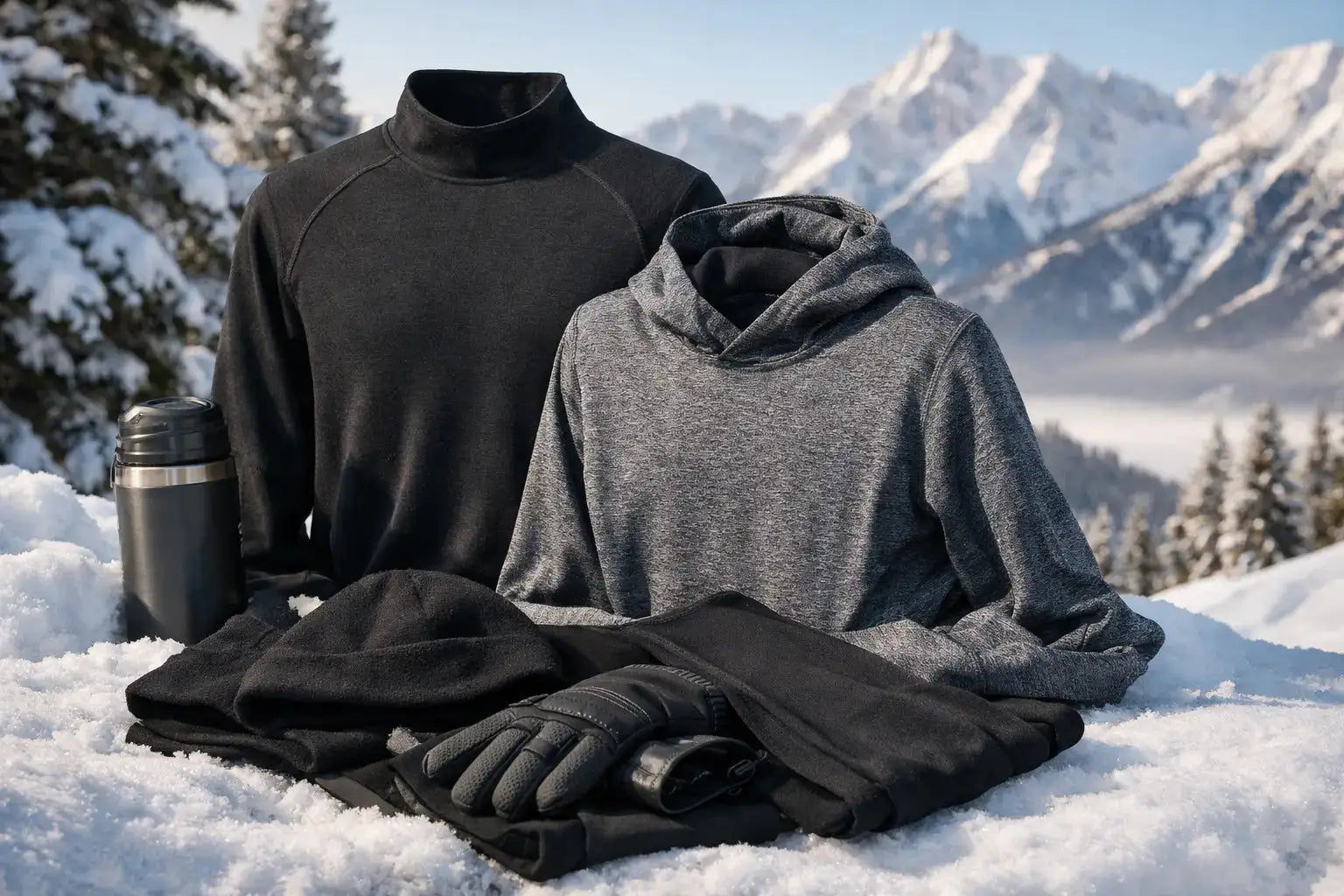
Cold hands get the attention, but poor layering usually starts at the core. If you are choosing the best base layers for cold weather, the job is simple in principle and easy to get wrong in practice. A base layer must manage sweat, hold useful warmth and sit comfortably under the rest of your kit. If it traps moisture, rides up under webbing or overheats you on the move, it is not doing its job.
For military use, security work, cadet training, stalking, hiking or general outdoor wear, the right answer depends on activity level as much as temperature. A sentry stood still on a bitter morning needs something different from a bloke tabbing uphill with a bergen. That is why the label alone never tells the whole story. Fabric, fit, weight and layering discipline matter more than marketing.
What makes the best base layers for cold weather?
A proper base layer sits next to skin and moves moisture away before it cools you down. That sounds straightforward, but cold-weather discomfort often comes from sweating too much early on, then chilling later once the pace drops. Good base layers reduce that swing.
The best options usually balance four things - moisture management, thermal efficiency, comfort and durability. In field conditions, a fifth factor comes in as well: how well the garment works under load-bearing kit, body armour, smocks and waterproofs. Seams in the wrong place can become an irritation after a full day. A loose neckline can leak heat. Fabric that feels fine in a shop can become clammy halfway through an exercise.
This is also where expectations need to stay realistic. No base layer will keep you warm by itself if your outer system is wrong. Equally, even an excellent insulated jacket will struggle if your first layer holds sweat against the skin. Cold weather kit works as a system, not as a single purchase.
Merino or synthetic for cold-weather base layers?
This is the choice most buyers start with, and for good reason. The two main camps are merino wool and synthetic fabric, usually polyester or a polyester blend. Both can work well, but they suit different use cases.
Merino is valued because it regulates temperature well, feels comfortable against skin and resists odour better than most synthetics. For multi-day wear, lower-intensity work and general winter use, it is a strong option. It is especially useful when washing opportunities are limited or when you need one layer to cope with changing conditions across the day. A decent merino base layer can feel warmer than a synthetic equivalent when static, and many users simply find it more comfortable for prolonged wear.
The trade-off is durability and drying speed. Merino is not always the best choice if you are regularly putting garments through hard abrasion from armour, straps or rough laundering. It also tends to cost more.
Synthetic base layers dry quickly, handle repeated use well and generally suit high-output activity. If you are moving hard, carrying weight or training in mixed conditions, synthetic can be the better tool. It often feels less delicate, and for many buyers it represents better value when building a full cold-weather clothing system.
The weakness is odour retention and, in some cases, comfort. Some synthetic tops can feel perfectly fine during hard use but less pleasant after long hours. Others can be excellent if the fabric and construction are well sorted. It depends on quality, not just material category.
If you want one rule of thumb, it is this: merino for comfort, lower odour and broad all-day wear; synthetic for hard effort, quicker drying and repeated field use.
When blends make more sense
Blended fabrics are often the most practical compromise. A merino-synthetic mix can improve durability and drying time without losing all the comfort benefits of wool. For buyers who want one dependable winter layer rather than a wardrobe full of specialist pieces, blends are often worth a serious look.
Weight matters more than many people think
Not every winter base layer should be thick. In fact, going too heavy at skin level is one of the most common mistakes. If the base layer is overly warm, you sweat earlier, then spend the rest of the day trying to manage the consequences.
Lightweight base layers are often best for high movement in cold conditions. They wick well, layer neatly and let you build warmth with a fleece, softshell or insulated outer as required. Midweight base layers suit mixed activity and general winter wear. Heavyweight options tend to work better for low-output tasks, cold camps, static duty or very low temperatures where heat retention matters more than venting.
A practical system usually starts with the lightest base layer that keeps you comfortable once you are moving. From there, you add or remove outer insulation. That approach gives you more control than relying on one thick garment close to skin.
Best base layers for cold weather in real use
Field performance is about matching the layer to the task. If you are on patrol, hillwalking, working outdoors or managing a long range day, your clothing needs can change hour by hour.
For high-tempo movement, a close-fitting synthetic crew neck is often the sound choice. It should sit flat under armour or chest rigs, move moisture quickly and avoid excess bulk at the waistband and cuffs. Quarter-zip designs can help with venting, but they need to sit well under other layers.
For lower-intensity use or stop-start activity, merino or a quality blend often earns its keep. It is comfortable when worn all day and less likely to feel cold and clammy after a pause. That makes it well suited to mixed winter use, from fieldcraft to everyday outdoor work.
For very cold conditions, the answer is not always a heavier base layer top and bottom. Sometimes it is a standard-weight base layer paired with an effective mid layer and proper weather protection. That setup can outperform a thick thermal top under a poor outer shell.
Legwear deserves the same attention. Base layer bottoms should fit cleanly under combat trousers without bunching behind the knees or inside boots. If you are on the move all day, comfort at pressure points matters. If you are static, warmth across the thighs and seat becomes more noticeable. Again, there is no universal best pick. It depends on the job.
Fit is not a minor detail
Base layers should be close fitting, not restrictive. Loose fabric reduces moisture transfer and can create friction under equipment. Too tight, and you lose comfort and ease of movement.
Look for enough length in the body so the top stays tucked when bending, kneeling or tabbing. Sleeves should sit properly at the wrist under gloves or outer cuffs. Flat seams, raglan sleeves and sensible collar design all help when the layer is worn under heavier kit.
This is where specialist retailers such as John Bull Clothing have an advantage. Buyers in this market are not looking for gym wear with a tactical label attached. They need clothing that works with real field layers, not just in a studio product shot.
Features worth paying for
Not every added feature improves a base layer. Some do. Thumb loops can help keep sleeves in place when layering, though they are not essential for everyone. Extended backs are useful. Flatlock seams are worth having. Good cuff retention and a proper athletic cut matter more than flashy branding.
Zips are useful if you need to dump heat quickly, but they can create bulk under outer garments. Mock necks add protection in cold wind but may feel excessive during hard movement. Anti-odour treatment can help on synthetic garments, though results vary and should not be treated as magic.
The key is to pay for practical design rather than gimmicks. If a feature solves a real problem in field use, it has value. If not, it is just something else to fail.
Common mistakes when buying cold-weather base layers
The first mistake is buying purely for warmth. Base layers are for moisture control first, warmth second. The second is choosing cotton. Cotton holds moisture, dries slowly and becomes cold fast once wet. For winter use, it is a poor option.
Another common error is wearing too many heavy layers from the start. You should feel slightly cool at the beginning of movement, not fully insulated before the work begins. If you set off already warm, you are likely overdressed.
Finally, many people overlook laundering and rotation. Base layers do hard work and need proper care. A good garment washed correctly will hold its performance far better than a cheaper one abused through hot washing or fabric conditioner.
How to choose the right one for your kit list
If your cold-weather use is mainly active - loaded walks, field training, winter hiking or demanding outdoor work - start with a lightweight or midweight synthetic. If your use is broader, slower paced or spread across several days, look closely at merino or a merino blend. If you need one dependable all-rounder, a midweight blend is often the safest purchase.
Think about what sits over the base layer as well. Under a breathable softshell, you can get away with different choices than under a waterproof shell. Under body armour or webbing, seam placement and fit become critical. Under combat trousers and boots, bulk at the ankle becomes more annoying than you might expect.
The best base layers for cold weather are not the warmest on a spec sheet. They are the ones that keep you dry enough, warm enough and comfortable enough to keep functioning properly. Get that first layer right, and the rest of your system starts working as it should.
A sound winter clothing setup does not need to be complicated. It needs to be honest about what you are actually doing, where you are doing it and how long you will be out.