
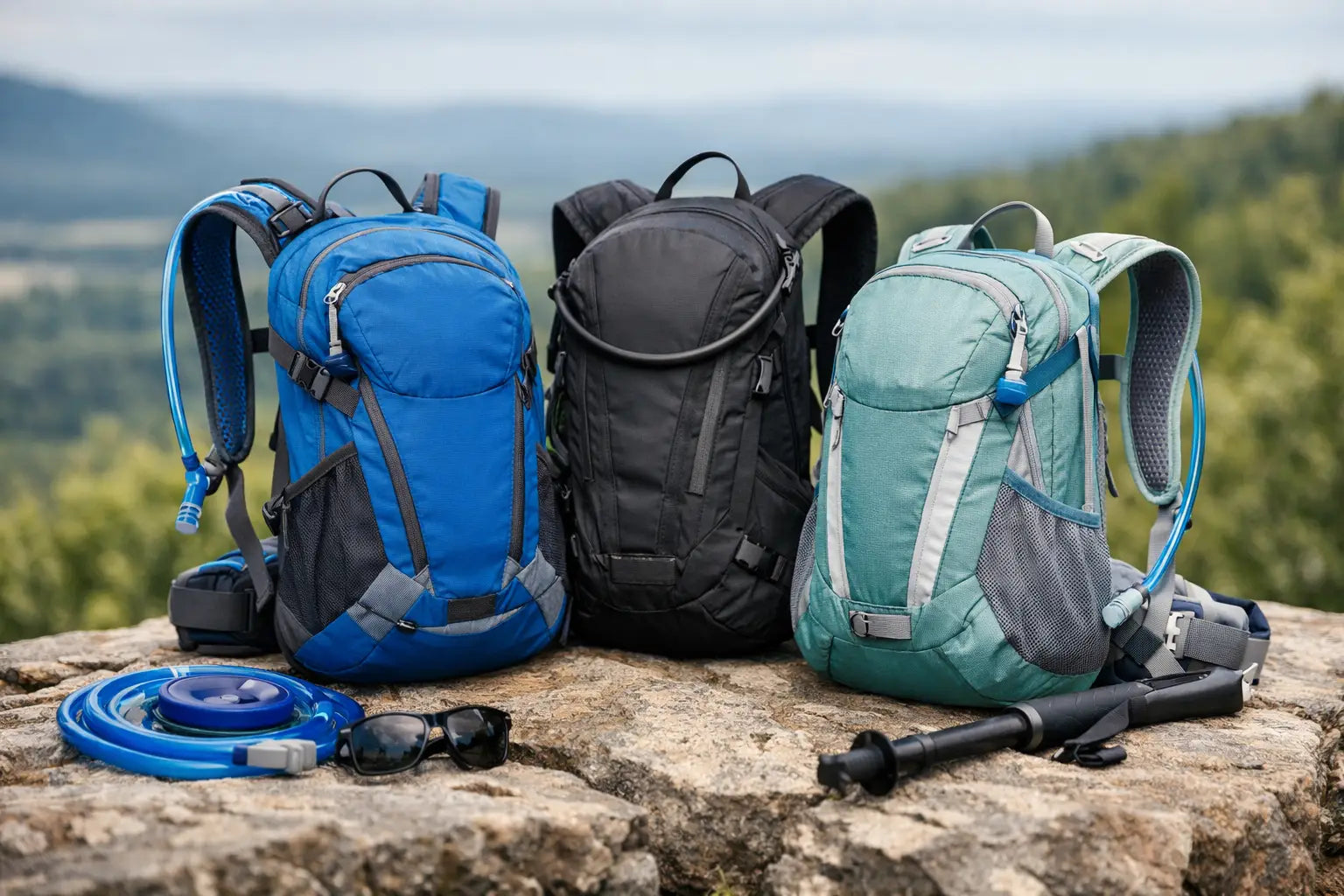
A CamelBak hydration pack earns its place when you are moving under load, working in heat, or covering ground where stopping to pull out a bottle is simply a nuisance. In practical terms, it is one of those bits of kit that can make routine movement easier and help you keep water intake consistent, whether you are on exercise, out on the hill, on patrol-style training, or spending a long day at an event.
CamelBak has long held a solid reputation in military, tactical and outdoor circles, and that reputation is not built on branding alone. The appeal is straightforward - reliable reservoirs, sensible carry options, and designs that work with body armour, bergens and general field equipment rather than against them. That said, not every pack suits every job, and choosing well matters more than chasing the biggest capacity or the latest feature set.
Why a CamelBak hydration pack remains a trusted choice
Hydration systems are hardly new, but CamelBak remains a go-to name because the fundamentals are generally well sorted. The reservoirs tend to be durable, the drinking tubes are easy to route, and the bite valves are designed for regular use without fuss. In the field, small details matter. A cap that opens cleanly for refilling, a reservoir that does not taint the taste of water, and a tube that sits where you need it all make a difference over the course of a long day.
There is also the matter of integration. A good hydration pack should sit properly with existing kit, not snag on everything, and not shift about every time you change pace. CamelBak models aimed at military and tactical users are usually built with that reality in mind. You will often see lower-profile shapes, tougher outer fabrics and layouts intended to work with plate carriers, webbing or day sacks.
That does not mean every CamelBak pack is automatically right for military-style use. Some are stripped-back hydration carriers, while others are closer to compact assault packs with hydration compatibility built in. The right choice depends on whether hydration is your only requirement or just one part of your load carriage.
What to look for in a CamelBak hydration pack
Capacity is the first decision, but it is not only about litres. A small, low-profile unit is often ideal if you are already carrying the rest of your equipment elsewhere and simply want accessible water. This suits short training sessions, range use, lighter tabbing and situations where bulk needs to stay down. If you are heading out with additional essentials such as rations, a waterproof layer, admin items or first aid kit, a larger pack makes more sense.
The usual trade-off is simple. More capacity gives you longer endurance and room for extras, but it also adds weight and can affect comfort if the harness is basic. If you are moving quickly or wearing the pack over other equipment, a compact fit often matters more than chasing maximum storage.
Reservoir size deserves proper thought as well. Around 2 litres can be enough for many shorter activities in mild conditions, but it may be marginal in hot weather or on longer days. A 3-litre setup is often the safer choice for military and outdoor use in the UK and beyond, particularly if refill points are uncertain. Even then, water planning still matters. A hydration pack helps you drink efficiently, but it does not remove the need to think ahead.
Material and construction are equally important. Hard use exposes weaknesses fast. Look for abrasion resistance, decent stitching and a shape that does not collapse awkwardly when partly loaded. If the pack is intended for tactical or field use, external attachment points and a sensible profile can be more useful than lots of civilian-style compartments.
Fit and comfort under load
Fit is often overlooked because hydration packs look simple, but poor fit becomes obvious after an hour or two. Shoulder straps should sit flat without cutting in, and the pack should remain stable when moving at pace. Sternum straps help, especially if the pack is lightly loaded and prone to shifting. Some users prefer a very minimal carrier over armour, while others want a more structured back panel for standalone use. Neither is wrong - it depends on how the pack will actually be worn.
If you routinely use body armour, chest rigs or webbing, keep overall thickness in mind. A bulky pack can interfere with shoulder mounting, vehicle seating, or general movement through tight spaces. A slimmer CamelBak hydration pack may carry less additional equipment, but it can prove far more useful in operational or training contexts where profile matters.
Back ventilation can be a benefit on straightforward outdoor walks, though in military use it is sometimes secondary to stability and compatibility with other kit. There is no perfect answer here. A ventilated harness may feel cooler, but if it sits badly over your load carriage system, it is the wrong choice.
Tactical use versus general outdoor use
CamelBak’s appeal is that many of its products cross over well, but there is still a difference between tactical and general outdoor requirements. For military personnel, cadets, police or security users, subdued colours, low visibility branding and durable fabrics will usually take priority. You may also want attachment points for small pouches, a layout that works over issued clothing and armour, and enough toughness for repeated field use.
For hillwalking, trail use or general countryside activity, you might place more value on lighter construction, external stash pockets and easier-access storage. The hydration function remains the same, but the surrounding design changes.
This is where buyers can make the wrong call by focusing only on brand. The best CamelBak pack for an airsoft player or weekend walker may not be the best option for regular exercise weekends, cadet fieldcraft or deployed use. Matching the design to the task is what counts.
Maintenance matters more than most people think
A hydration system only stays dependable if it is looked after. Reservoirs need proper cleaning and drying, particularly if they are used regularly or left stored between weekends. Water left sitting for too long can leave odours and unpleasant taste, and neglect eventually shortens service life.
The practical approach is simple. Empty the reservoir after use, rinse it thoroughly, and allow it to dry fully before storage. Tubes and bite valves need the same attention. This is not glamorous kit maintenance, but it prevents avoidable problems. The same applies to the outer pack. Mud, grit and general field dirt should be brushed off or cleaned before they start wearing away fabric and fastenings.
A well-maintained hydration pack will generally give better service than a neglected one with more features. Reliability in use usually starts with basic care, not clever marketing.
When a hydration pack is the wrong answer
It is worth saying plainly that a hydration pack is not always the best option. In freezing conditions, tubes can ice up. On very short tasks, a bottle may be simpler. In some vehicle-heavy roles, access and seating may make a rear-mounted hydration carrier less convenient than other water carriage options.
There are also users who simply prefer to monitor intake by bottle rather than sip as they move. That is not a flaw in the system. It is a matter of habit and context. The point is to choose kit that supports the way you actually work, not the way a product page suggests you should.
Choosing with purpose
If you are buying a CamelBak hydration pack, start with the job. Think about duration, expected heat, the rest of your load, and whether the pack will be worn alone or over tactical equipment. Then consider profile, reservoir size and carrying comfort. A smaller, tougher pack may be the better field option, while a larger hybrid design may suit broader outdoor use.
For buyers who already value proven brands and practical equipment, CamelBak remains a sound choice because it has an established record where it matters - usability, durability and straightforward performance. Retailers such as John Bull Clothing tend to attract that sort of buyer for the same reason. The focus is not novelty. It is dependable kit that does the job properly.
Choose on function, not fashion, and your hydration pack will become one of those pieces of equipment you stop thinking about - which is usually the best result you can ask from field gear.