
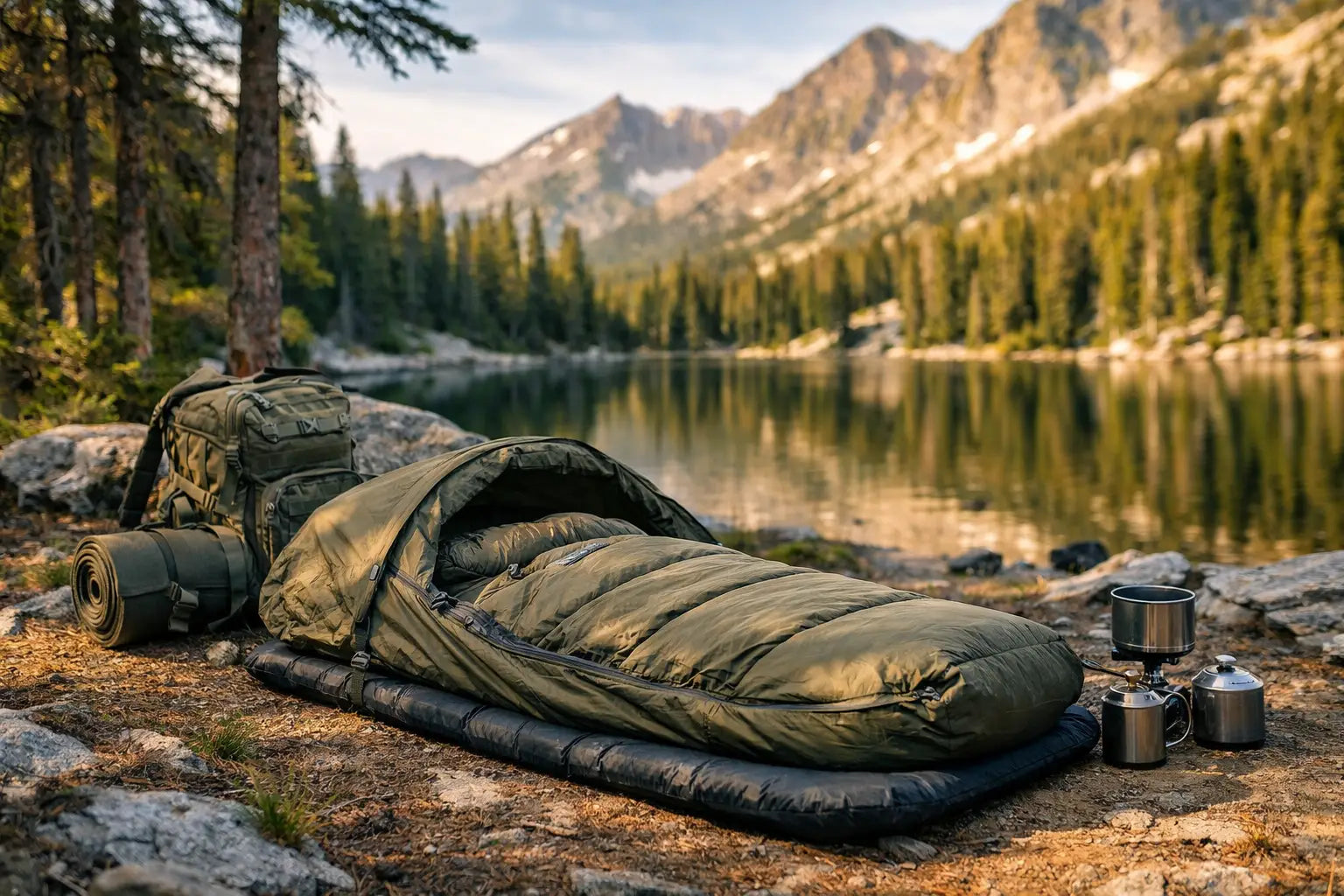
A cold, wet night will expose weak kit faster than almost anything else. That is why the snugpak sleeping system gets serious attention from military users, cadets, bushcraft campers and anyone who needs dependable shelter and sleep kit rather than marketing claims.
Snugpak has built a strong reputation by producing sleeping bags and modular systems that suit British weather, awkward ground conditions and the reality of carrying your own gear. For many buyers, the question is not whether the brand is credible. It is whether a full system is the right choice for the way they actually operate.
What the Snugpak sleeping system is designed to do
At its core, a Snugpak sleeping system is about flexibility. Rather than relying on one bag to cover every season, the system approach lets you combine layers and components to match the temperature, the task and the amount of weight you can justify carrying.
That matters because UK conditions are rarely straightforward. A dry, still night on one exercise can turn into wind-driven rain and sharp temperature drop on the next. In those situations, modular kit gives you more options than a single heavy winter bag or a light summer bag pushed beyond its limits.
Most users looking at this type of setup are trying to balance four things - warmth, pack size, speed of use and durability. There is no perfect answer for all four at once. If you want more insulation, you usually accept more bulk. If you want the smallest possible packed size, you may give up some comfort or margin in colder weather. Good kit is about managing those compromises properly.
Why Snugpak remains a popular choice
Snugpak has long been associated with practical field use rather than display-piece outdoor gear. That matters to buyers who need equipment that works after repeated stuffing, damp mornings, rough handling and regular transport in bergen or vehicle.
The brand’s appeal is straightforward. The bags tend to offer sensible temperature performance, durable outer fabrics and a design language that makes sense for military and tactical users. Features such as centre or side zips, mummy shapes, compact compression and compatible bivvi options are not there for novelty. They are there because they help in the field.
Another reason the brand stays relevant is familiarity. Plenty of serving personnel, ex-forces users and experienced outdoor customers have either used Snugpak directly or know someone who has. That kind of reputation is hard won. It does not mean every product suits every role, but it does mean the starting point is one of trust.
Warmth, comfort and realistic expectations
When people ask whether a snugpak sleeping system is worth the money, they usually mean one thing - will it keep me warm enough when it matters?
The honest answer is that warmth depends on more than the bag. Your mat, your shelter, your base layers, whether your kit is damp, how well you have eaten and how naturally warm you sleep all make a difference. A high-spec sleeping bag used straight on cold ground will underperform. A lighter setup used with a proper mat and dry clothing can often do better than expected.
This is where the system concept helps. If conditions are milder, you can run a lighter combination and avoid overheating. If the weather turns, adding another compatible layer gives you a more serious sleep setup without having to own a completely separate solution for every month of the year.
That said, there is no point pretending any sleeping system is magic. If you regularly operate in genuine winter conditions, exposed upland ground or prolonged static camps, you need enough insulation margin. Buying too light to save space often ends up costing comfort and recovery.
Pack size and weight in real use
One of the main strengths of Snugpak gear is that it tends to pack down well for the level of insulation offered. For anyone carrying a full loadout, that matters. Space in a bergen disappears quickly once waterproofs, spare layers, rations, stove kit and admin items are packed.
A modular system can sometimes look bulkier on paper than a single bag, but in use it can be more efficient. You take what fits the task. For a summer overnight, that may mean only part of the full setup. For shoulder-season use, you can add components as needed. That approach often makes more sense than carrying a dedicated winter bag year-round just in case.
The trade-off is simplicity. One bag is straightforward. A system requires a bit more thought before you step off. If you do not pay attention to forecast, terrain and shelter plan, you can end up carrying more than necessary or turning up under-equipped.
Who the Snugpak sleeping system suits best
This type of kit suits buyers who value field reliability over inflated spec-sheet claims. Military users, reservists, cadets on exercise, DofE participants moving into more capable kit, airsoft players on overnight events, and regular campers who prefer proven brands are all likely to see the benefit.
It also suits those who want one core sleep solution that can adapt across several roles. If your year includes summer camps, autumn fieldcraft weekends and the odd colder exercise, a modular setup is often better value than buying multiple lower-grade bags.
Where it may be less suitable is for buyers chasing the absolute lightest possible setup for fast-and-light mountain use. Specialist ultralight equipment can save weight, but it often comes at a much higher price and with less emphasis on military-style durability. If your priority is resilience and repeat use, Snugpak usually makes more sense.
Choosing the right Snugpak sleeping system for your use
The first step is to be honest about your normal conditions, not the worst case you imagine once a year. If most of your nights out are spring to autumn in lowland UK conditions, an excessively heavy setup is dead weight. If you spend long periods static in colder months, underbuying is a mistake.
Think about how you sleep as well. Cold sleepers should build in more margin. So should anyone likely to arrive damp, tired or underfed after a long day. On the other hand, warm sleepers in a sheltered bivvi setup may find a lighter combination entirely sufficient for much of the year.
Compatibility matters too. A sleeping system performs better when the rest of your kit supports it. A decent sleeping mat is not optional. Nor is a sensible shelter plan. Even the best bag cannot compensate for poor ground insulation or soaked clothing.
For buyers used to military kit, this is all familiar territory. Sleep systems do not work in isolation. They are part of a larger field setup.
Field durability and ease of care
A good sleeping system has to survive more than one clean weekend away. It gets compressed hard, unpacked quickly, dragged over rough surfaces and sometimes packed away slightly damp before a proper dry-out is possible later. That is where build quality starts to matter more than brochure language.
Snugpak’s reputation rests in part on that practical durability. While no synthetic sleeping system is indestructible, the brand generally holds up well under repeated use if looked after properly. Drying the bag thoroughly after trips, storing it uncompressed where possible and keeping it clear of direct damage will do more for lifespan than any label claim.
Synthetic insulation also remains a strong choice for British conditions. Down has advantages in weight and compressibility at the premium end, but for many users dealing with damp air, wet mornings and mixed-use field conditions, synthetic fill is the more forgiving option.
Is the snugpak sleeping system good value?
For the right user, yes. Not because it is the cheapest route, but because dependable sleeping kit earns its keep over time. Poor sleep on exercise, camp or weekend use affects everything the next day. If a proper system gives better rest, better warmth management and longer service life, the value is easy to justify.
It is also the sort of purchase where buying recognised kit once can be cheaper than replacing weaker alternatives. Experienced customers usually know this already. Price matters, but not as much as reliability when the temperature drops after dark.
For buyers looking through established military and outdoor brands, Snugpak remains one of the more sensible choices because it sits in a useful middle ground. It is credible field kit, widely trusted, and practical enough for regular use without drifting into overpriced niche territory. That is a large part of why retailers such as John Bull Clothing continue to see consistent demand for it.
If you need a sleep setup that can handle typical British conditions, pack sensibly and stand up to repeated use, the snugpak sleeping system is well worth serious consideration. Buy for the conditions you actually face, build the rest of your sleep setup properly, and you will get far better results than chasing headline temperature ratings alone.