
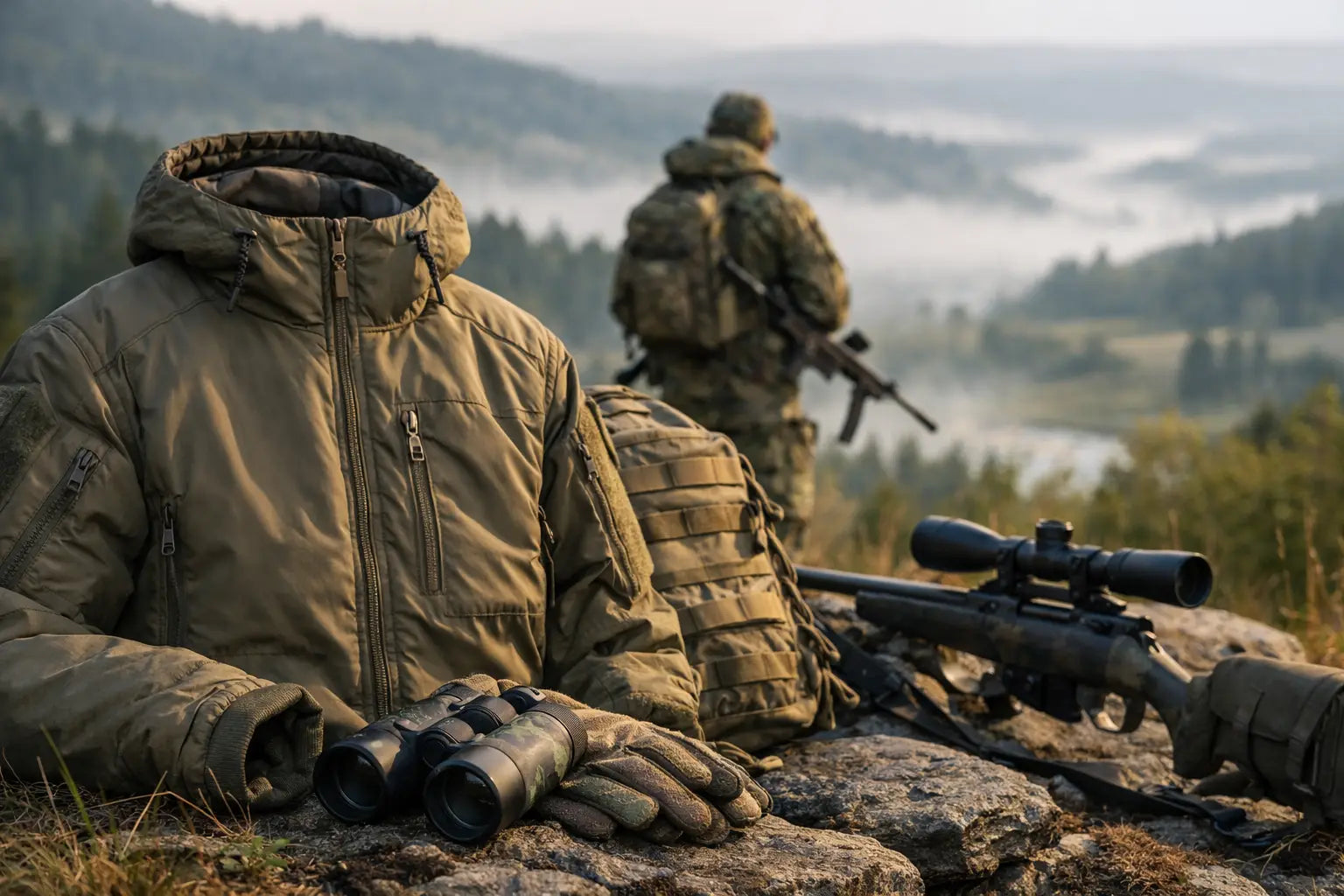
A wet stag, a static night shift, a winter range day or a cold camp exposes poor insulation quickly. The question is not simply whether a jacket feels warm in the car park. It is whether it keeps working after hours outside, under webbing, in wind and drizzle, and after repeated packing and wear. So, are Carinthia jackets worth the money? For users who genuinely need dependable cold-weather kit, often yes. For occasional town use or mild-weather walks, the premium may be harder to justify.
Carinthia sits firmly in the specialist end of the insulated clothing market. Its jackets are built around practical warmth, low weight, field durability and a military-minded feature set rather than high-street styling. That focus explains both their reputation and their price.
Are Carinthia jackets worth the money in real use?
A Carinthia jacket earns its cost when insulation is a piece of working equipment rather than a comfort extra. Personnel, security staff, field sports users, expedition travellers and outdoor instructors often spend long periods stopping and starting in poor conditions. In those situations, a jacket that retains warmth, dries quickly and does not restrict movement is worth more than one that looks similar on a hanger.
The key benefit is the use of G-LOFT synthetic insulation across much of the range. Synthetic fill matters in British conditions because damp is often the problem, not just low temperature. Down can offer excellent warmth for its weight, but it needs careful protection from moisture and can lose performance when wet. A quality synthetic insulated jacket is generally more forgiving when exposed to drizzle, condensation, sweat or repeated use in the field.
That does not mean every Carinthia jacket suits every job. A lightweight insulating layer is useful for active movement and changeable weather, while a heavier high-insulation jacket is intended for prolonged static use in serious cold. Buying the warmest model available for tabbing, training or fast hill work can leave you overheated and damp underneath. The right jacket is worth the money; the wrong warmth level is expensive kit left in the cupboard.
What the price pays for
Carinthia's cost is not solely about the insulation label. It reflects how the jacket is put together, the materials selected and the design choices that matter when it is worn with other equipment.
Insulation that is practical in damp conditions
G-LOFT is designed to provide high thermal performance without the bulk of older synthetic fills. In real terms, this helps a jacket pack down reasonably well while still providing useful warmth when temperatures drop. It also recovers well after compression, which is relevant if the jacket spends most of the day in a bergan, patrol pack or vehicle before being pulled on during a halt.
No insulation is magic. If you wear a warm jacket during hard exertion, moisture from inside will still become an issue. Carinthia jackets work best as part of a sound layering system: manage moisture with a suitable base layer, add fleece or softshell insulation where required, then use the insulated jacket when activity reduces or conditions demand it.
Field-led construction and movement
The better Carinthia designs are shaped for use rather than fashion. Articulated sleeves, adjustable hoods, high collars, durable front zips and practical pocket layouts make a difference when hands are cold or gloves are on. The cut is commonly long enough to protect the lower back without becoming cumbersome when sitting, kneeling or wearing a belt kit.
Outer fabrics vary by model, but the general aim is a tough, wind-resistant shell that copes with regular use. That is valuable if you are wearing plates, a patrol harness, a rucksack or carrying tools. Lighter civilian-style insulated jackets can be excellent for everyday walking, yet their face fabrics and stitching are not always intended for repeated abrasion from operational equipment.
Useful details, rather than cosmetic extras
A proper insulated field jacket should have features that serve a purpose. A close-fitting hood reduces heat loss in wind. A two-way zip can improve access to trouser pockets or ventilation. Secure pockets keep gloves, a head torch or a mobile phone where they are needed. Hook-and-loop panels and muted colourways can also be relevant for military, security and tactical users.
These details do not make a jacket invincible. They do make it easier to live with when conditions are poor, which is often the difference between a specialist garment and a cheaper alternative.
Where a Carinthia jacket makes most sense
The strongest case for Carinthia is for people who will use the jacket regularly and hard. If cold-weather work, exercise instruction, shooting, fishing, dog handling, camping or outdoor security forms part of your routine, the jacket's performance can justify the outlay over several seasons.
It also makes sense for those building a dependable kit system. A lightweight insulated jacket for rest stops, vehicle work and cool evenings can complement waterproofs and softshells without duplicating them. A heavier option can become a dedicated cold-weather outer layer for static tasks, sentry duty, winter camps and exposed positions.
For military-minded buyers, the subdued colours and functional layout are often a genuine advantage. A bright, glossy outdoor jacket may be perfectly warm, but it is not always appropriate around training areas, fieldcraft environments or security work. Carinthia's design language is more at home alongside combat clothing and load-carrying equipment.
John Bull Clothing customers who already invest in good boots, waterproofs and sleeping systems will recognise the principle: one reliable item is usually better value than repeatedly replacing cheaper kit that does not meet the task.
When the premium is not necessary
There are sensible reasons not to spend Carinthia money. If you need a jacket mainly for commuting, short dog walks and occasional weekends outdoors, a mid-priced synthetic insulated jacket may serve you well. It is also worth considering whether a waterproof shell and fleece you already own will cover most of your needs.
Carinthia jackets are performance-led, and that can mean a more technical appearance, a firmer fabric feel and less emphasis on everyday styling. Some models are deliberately roomy enough to layer beneath, while others have a closer, more athletic cut. Neither is automatically better, but fit must match how you intend to use the jacket.
Weight and packed size are another consideration. Heavier insulation gives more reserve warmth when inactive, but it takes up more room in a pack and can be excessive during high-output activity. If you run hot, spend most of the day moving or work mainly in southern UK winters, a lighter layer paired with a windproof may be the more useful purchase.
Choosing the right Carinthia jacket
Start with the conditions in which you actually get cold. Think about temperature, wind, rain exposure, time spent stationary and whether you will wear body armour, webbing or a rucksack. A jacket intended for freezing, static conditions is not automatically the best all-round choice for patrol use or hill walking.
Then consider layering space. If the jacket will go over a combat shirt or base layer only, a neater fit may be appropriate. If it must accommodate a fleece, softshell or additional insulation, allow room without making the sleeves and shoulders excessively loose. Raise your arms, simulate reaching for equipment and check that the hem does not ride up too far.
Colour and visibility also deserve an honest assessment. Olive, black and other tactical shades are useful for work and field use, but a brighter jacket may be safer for certain hill, roadside or search activities. Choose according to the environment, not only appearance.
Finally, compare the price against expected use rather than against the cheapest insulated jacket available. A jacket worn fifty cold days a year has a very different value from one used twice each winter. The longer its service life and the more often it keeps you comfortable enough to carry on working, the easier the premium is to defend.
Care affects long-term value
A high-quality jacket still needs basic care. Follow the garment label, avoid unnecessary high heat, close zips before washing and ensure the jacket is fully dry before storage. Regularly clearing mud and grime from the outer fabric helps preserve its performance and prevents abrasion from becoming embedded in the material.
Do not store an insulated jacket permanently compressed in a tight stuff sack. Packing it for transport is normal, but long-term compression can reduce loft over time. Hang it or store it loosely between trips, and repair minor damage before it develops into a larger tear.
A Carinthia jacket is best viewed as cold-weather field equipment, not a badge purchase. Select the insulation level that suits your role, wear it as part of a sensible layering system and look after it properly. Used that way, it can provide the dependable warmth that makes long, cold days outside far more manageable.