
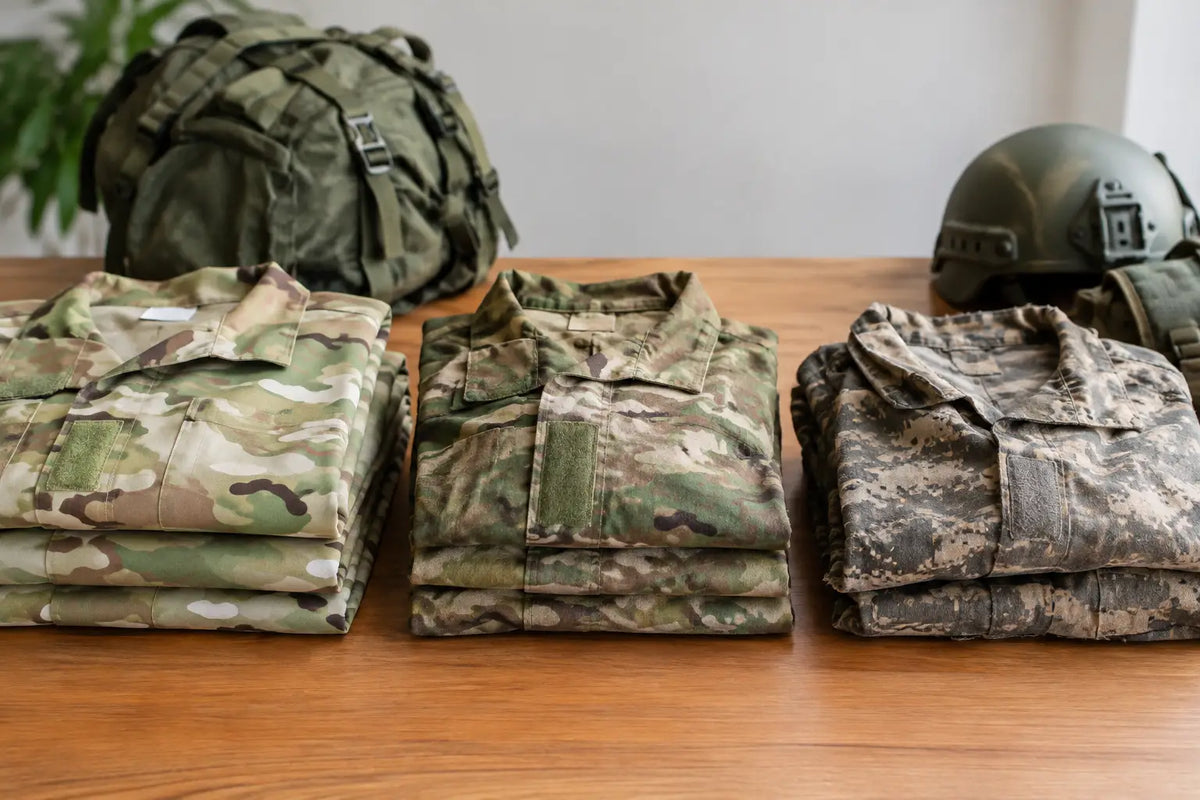
A surplus jacket can arrive with years of honest field wear and still have plenty of service left. Another may look almost unused but have a failed zip, perished coating or damaged fastening. That is why an army surplus grading guide matters: the grade should tell you what condition to expect before you choose kit for the field, work, cadets, airsoft or everyday outdoor use.
Surplus is not a single condition category. It covers everything from unissued stock held in storage to well-used garments and equipment released after operational, training or service use. The right choice depends on the job. A Grade 2 smock may be sound value for gardening, range days or airsoft. For wet-weather hill use, a cleaner example with fully functioning zips, seals and waterproof treatment is usually the better call.
Army Surplus Grading Guide: Start With the Condition
Grading is a practical description of condition, not a formal military standard used identically by every supplier. Terms can vary between retailers, countries and product types. Always read the specific product description, particularly where the item relies on waterproof membranes, insulation, load-bearing stitching or safety-critical components.
New, unissued and current stock
New or unissued surplus is generally the closest you will get to original issue condition. It may have been stored in military warehouses, so it can still show shelf wear, compressed insulation, light dust or ageing packaging. Labels may be marked, removed or overstamped, particularly where stock has been decommissioned.
This is usually the sensible grade when you need a smart appearance, full working life and predictable performance. It suits parade-adjacent clothing, gifts, replacement kit, boots, sleeping bags and equipment where condition is more than cosmetic. Do not assume “unissued” means recently manufactured, though. Rubber, elastic, adhesives and polyurethane coatings can deteriorate in storage over time.
Grade 1 surplus
Grade 1 generally means very good used condition. The item has seen limited use or has been carefully selected from issued stock. Expect it to be clean, structurally sound and fully serviceable, with only minor signs of handling or wear.
Typical signs may include a name tape shadow, faint fading, light creasing, small marks or replaced drawcords. On camouflage clothing, colours may not be as sharp as new stock, but the fabric, pockets, buttons and closures should remain fit for purpose. Grade 1 is often the best balance of authenticity, usability and value for customers who want kit they can wear straight away.
Grade 2 surplus
Grade 2 usually describes used, serviceable kit with clear cosmetic wear. It should still perform its intended basic function, but may have fading, repaired areas, minor stains, scuffs, writing on labels or visible signs of previous ownership. You may find mismatched shades on older camouflage garments, especially where a jacket and trousers have been sourced separately.
This grade is well suited to dirty jobs, training areas, bushcraft, vehicle work, airsoft and spare clothing. It is also a practical option when fit matters more than presentation. The trade-off is straightforward: Grade 2 costs less, but you should accept a more individual appearance and a shorter remaining lifespan than an unissued or Grade 1 item.
Grade 3 and heavily used stock
Grade 3, bargain or heavily used surplus is normally sold for basic utility, repair projects, display, costume use or parts. It may have noticeable repairs, stubborn marks, missing non-essential fittings, heavier fading, damaged lining or significant wear at cuffs, knees and seat panels.
A hard-wearing cotton smock can still be useful in this condition. A waterproof jacket, rucksack or pair of boots may not be. If an item will carry weight, keep you dry, protect you from cold or support your feet over distance, worn condition has greater consequences. Grade 3 can represent excellent value, but only where you can inspect, repair or accept its limitations.
What to Inspect Before Choosing Used Kit
The grade gives you the starting point. The construction and intended use tell you whether the item is right for the task. A surplus item can look tidy on a hanger while having faults that only show when it is worn, loaded or exposed to weather.
For clothing, inspect high-stress areas first. Check the seat, knees, elbows, cuffs, pocket corners, belt loops and underarm seams. Look for thinning fabric, loose stitching, repairs that are pulling apart and missing buttons. On combat trousers, make sure the fly, waist adjustment and pocket fasteners all work. On a smock, test every zip, press stud, drawcord and hook-and-loop panel.
Waterproof garments need closer scrutiny than ordinary field clothing. A jacket may remain windproof while its waterproof membrane, taped seams or durable water-repellent finish have degraded. Peeling internal coatings, sticky fabric, lifting seam tape and a musty storage smell are warning signs. A used shell can be suitable as a wind layer, but do not rely on it for prolonged rain unless its condition is clearly described and it has been checked thoroughly.
With boots, condition is about far more than polished leather. Examine the sole for uneven wear, splitting, separation from the upper and loss of tread. Flex the boot around the toe crease and heel counter, then inspect stitching, eyelets, hooks and internal lining. Used boots can be an excellent buy where they are lightly worn and correctly fitted, but old footwear may have degraded midsoles or hardened materials even when the outside looks presentable.
For webbing, bergen systems and rucksacks, assess the load path. Check shoulder straps, waist belts, adjustment buckles, attachment points and the stitching that joins them to the body of the pack. Small exterior scuffs are rarely a concern. Frayed straps, cracked plastic hardware and pulled bar-tacks are different matters when the item will carry ammunition, radios, water or overnight equipment.
Condition Is Not the Same as Size or Specification
Military sizing can be precise, but it is not always intuitive. A label may refer to chest and height measurements rather than the garment's finished dimensions. Older stock can also vary by contract, manufacturer and era. Measure an existing garment that fits well and compare it with the supplied sizing information where possible.
Specification also matters. A British military pattern jacket may be excellent field clothing but not automatically suitable for every workplace, unit requirement or activity. Camouflage patterns, pocket layouts, flame resistance, IR treatment and weather protection differ across issue systems. The same applies to load-carrying kit: compatibility between belt systems, pouches, plates and packs should never be assumed from appearance alone.
If you are building a practical set of clothing, start with the function you need most. For warm, dry training, a Grade 2 field shirt or pair of trousers can make perfect sense. For cold overnight work, dependable insulation and a sound sleeping system are worth prioritising in the best condition available. Spend according to the consequence of failure, not simply the item’s price.
When Used Surplus Is the Right Purchase
Used military clothing earns its place because it is often well designed, repairable and made for repeated hard use. Older patterns can offer useful features that are less common on civilian clothing, including generous pocketing, reinforced areas and straightforward field repairs. The marks of service are also part of surplus character, provided the item remains honest and functional.
There are times when new equipment is the stronger choice. Buy new where hygiene, protective performance, waterproof reliability or manufacturer support is central to the role. Gloves, helmets, climbing equipment, body armour components, respirators and medical items should be selected with particular care. Never treat a surplus grade as proof of certification or current compliance.
For dependable choices across field clothing, boots and equipment, John Bull Clothing focuses on clear condition information and kit chosen for practical military and outdoor use. If a description leaves a question about wear, fit or functionality, ask before ordering rather than making assumptions from photographs alone.
A well-chosen surplus item should earn its space in your kit locker. Choose the grade that matches the work ahead, inspect the details that carry the load, and leave a little budget for cleaning, proofing or minor repairs before its first proper outing.