
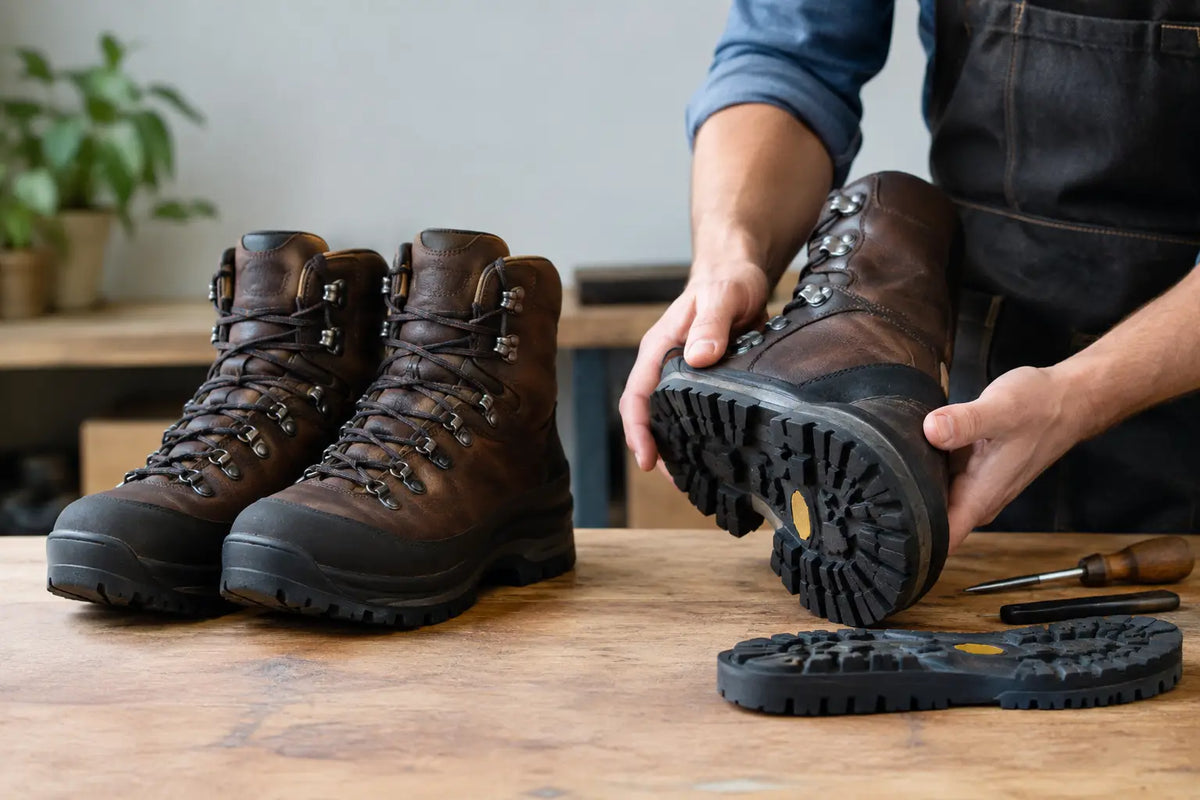
A good pair of Altbergs can see years of tabbing, ranges, patrols, dog walks and wet training areas. So, can Altberg boots be resoled? In many cases, yes - provided the boot’s upper, midsole and internal structure remain sound enough to justify the work. A worn outsole alone does not mean the whole boot has reached the end of its service life.
Altberg boots have a strong reputation among military personnel, police, security staff and serious outdoor users because they are built for hard use and, on suitable models, can be repaired rather than simply replaced. However, resoling is not an automatic answer for every pair. The condition of the boot matters as much as the state of the tread.
Can Altberg boots be resoled when the tread is worn?
A sole that has worn smooth at the heel, lost grip at the forefoot or started to separate at an edge may be a candidate for replacement. This is especially true where the leather upper is still well conditioned, the stitching is intact and the boot remains comfortable and supportive.
The sole unit must be assessed as a complete system. On many modern service and walking boots, the outsole is bonded to a midsole rather than stitched on in the traditional fashion. A competent factory repair service or specialist repairer will inspect the bond, midsole condition, rand, upper and internal lining before deciding whether a new sole can be fitted properly.
Do not wait until the sole has completely failed. Once you can see deep damage, exposed midsole material, major splits or substantial separation, the repair can become more difficult. Early inspection gives you the best chance of a worthwhile resole.
The difference between an outsole and a full sole unit
It helps to be clear about what needs replacing. The outsole is the hard rubber layer that meets the ground and provides traction. Beneath it sits the midsole, which contributes to cushioning, stability and support. On some boots, a repair may involve replacing the complete sole unit rather than attaching a thin new layer of rubber.
That is why a resole is more than a cosmetic tread replacement. The right sole pattern, compound and profile affect grip on wet ground, durability on hard surfaces and how the boot flexes under load. A boot returned with the wrong sole specification may feel noticeably different on patrol or over distance.
When resoling Altberg boots makes sense
Resoling is generally a sensible option when the upper has plenty of life left. Well-maintained leather that is supple, free from major cracking and not badly distorted can outlast the original outsole by a considerable margin.
A resole is often worth considering if your boots have bedded in properly and fit your feet well. That established fit has real value. New boots may need time to soften and conform, whereas a successful repair keeps the upper and footbed you already know.
It can also be a practical choice for boots used in a specific role. If you have found an Altberg model that works with your orthotic, suits a wider forefoot, performs well under webbing weight or gives you reliable ankle support, preserving that setup may be preferable to starting again with an unfamiliar pair.
Cost is still part of the decision. A repair should be judged against the boot’s remaining condition, not just against the price of a new pair. If the lining has worn through, the upper is badly cracked, the heel counter has collapsed and the sole is finished, spending money on a resole may only postpone replacement.
Signs your boots may be beyond repair
Some faults cannot be solved by fitting fresh rubber underneath. Leather that has dried out and cracked across key flex points can lose its strength. Deep cuts through the upper, failed stitching around the toe or heel, or damaged eyelets may make a repair uneconomical or unsafe for demanding use.
Pay attention to the internal condition too. A lining worn through at the heel can create hot spots and blisters, while a broken heel counter reduces support. If the boot no longer holds the heel securely, a new outsole will not restore its original structure.
Hydrolysis is another issue, particularly with certain polyurethane components. This is the gradual breakdown of material caused by age and moisture exposure, sometimes seen in boots stored unused for long periods. The sole may look acceptable at first, then crack, crumble or detach when flexed. It is not simply a matter of worn tread, and it may affect whether repair is viable.
A proper assessment is preferable to guessing from photographs. Clean boots make it easier for a repairer to identify faults around the welt area, rand and sole bond.
Factory repair or local cobbler?
For technical military and patrol boots, the manufacturer’s own repair route is usually the safest starting point. They understand the original construction and can advise whether the model is designed to accept a replacement sole. They are also more likely to fit an appropriate sole unit rather than a generic pattern that changes the boot’s performance.
A respected specialist cobbler can be a good option, particularly for straightforward work or when they have experience with bonded technical footwear. Ask direct questions before sending boots away: have they resoled this type of Altberg boot before, can they replace the complete unit where required, and which sole will be fitted?
The cheapest quote is not always the best value. Poor bonding, an unsuitable sole compound or inaccurate alignment can affect stability and may allow water into the boot. For operational, security or hill use, that is a false economy.
What a repairer will normally inspect
Before accepting a pair for resoling, a repairer will normally assess several connected areas:
- Remaining strength and flexibility in the leather or fabric upper
- Condition of the sole bond, midsole, rand and heel area
- Cracks, splits, deep abrasion and damaged stitching
- Wear inside the boot, particularly the lining and heel counter
- Whether a suitable replacement sole unit is available for that model
Preparing Altberg boots for resoling
Send boots in clean and dry. Remove loose mud from the tread, brush the upper and take out removable footbeds unless the repairer instructs otherwise. Heavy dirt makes inspection harder and can delay the job.
Do not attempt to glue a failed sole back on with household adhesive before sending the boots away. Temporary glue can contaminate the bonding surfaces and make a professional repair more difficult. If a sole starts to lift, stop using the boots for demanding work and arrange an assessment promptly.
Include a clear note of the faults you have noticed. Mention whether the heel has worn unevenly, whether water is entering through the sole area, and whether you need the boots for a particular duty date. Repair times vary with workload, materials and the extent of work required, so avoid leaving it until the week before an exercise or deployment.
Make the next sole last longer
A resole will not compensate for poor boot care. Clean off mud after use, especially around the flex points and sole edge. Let wet boots dry slowly at room temperature, away from radiators, fires and direct high heat. Forced drying can harden leather, damage adhesives and shorten the life of the boot.
Use a suitable leather treatment for the boot material and follow the manufacturer’s care guidance. The aim is to keep leather nourished and weather-resistant without overloading it with unsuitable waxes or oils. Check laces, eyelets and the sole edge during routine cleaning, rather than discovering a problem when you are already in the field.
Rotate footwear where possible. Giving boots time to dry fully between hard days helps protect the lining, footbed and sole components. It also gives you a chance to spot uneven wear, which can indicate gait issues or the need for an insole review.
If your Altbergs still support your feet well and the upper remains structurally sound, a professional resole can be a practical way to keep proven boots in service. Inspect them before the damage spreads, use a repairer familiar with technical footwear, and retain a second dependable pair while the work is being carried out.