
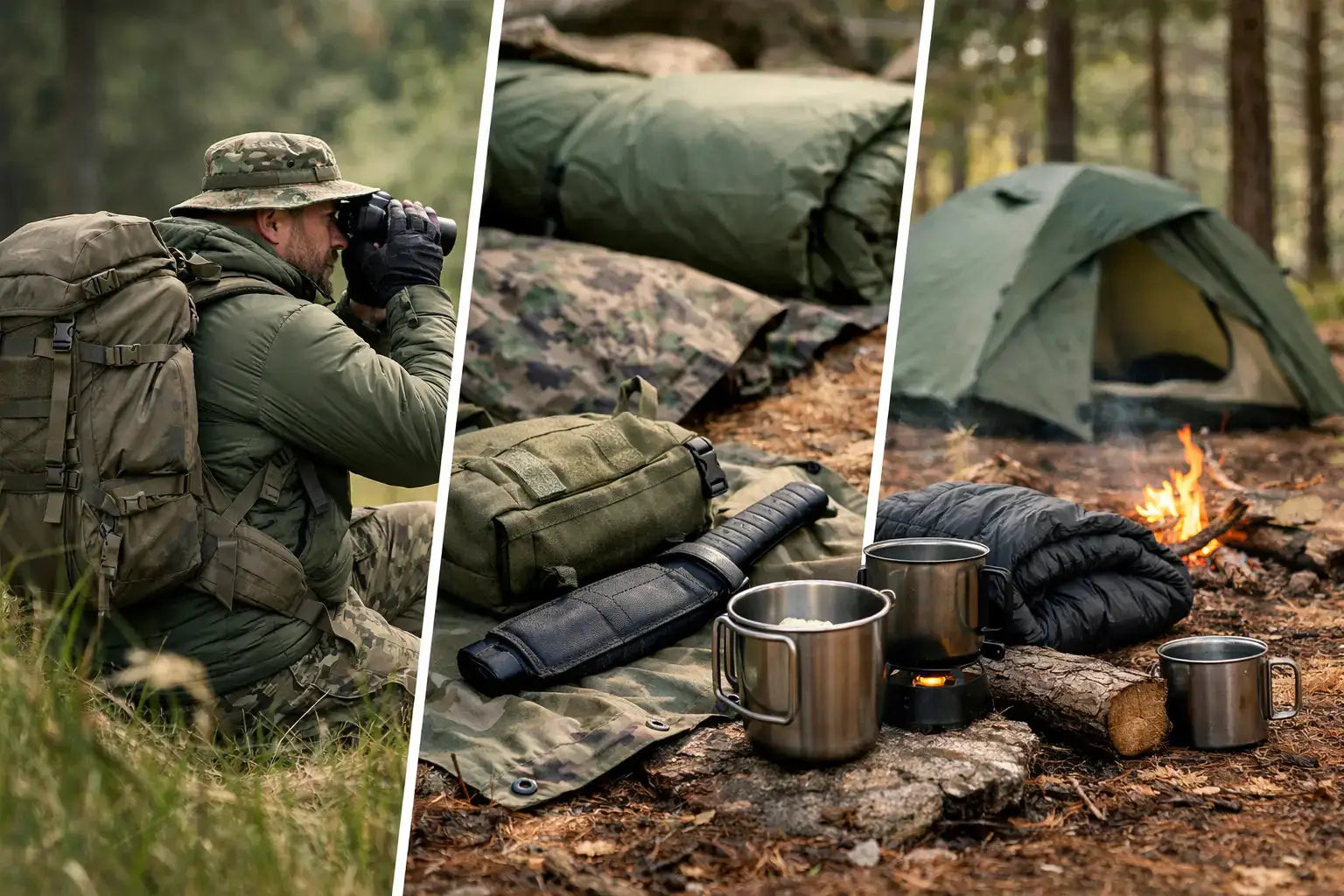
When you are packing for a wet training area, a cold stag, or a weekend under canvas, Snugpak usually comes up early in the kit list. That is not down to branding alone. It is because the range has earned a solid place with military personnel, cadets, bushcrafters and general outdoor users who need gear that works when the weather turns and the ground is unforgiving.
Snugpak sits in a useful space between issued practicality and civilian outdoor comfort. The appeal is straightforward: lightweight kit, sensible pack size, dependable insulation and designs that make sense in the field. For buyers who already know the difference between cheap camping gear and equipment that can cope with repeated use, that matters more than marketing claims.
Why Snugpak still matters
Some brands are bought for image. Snugpak is usually bought for function. Its reputation has been built around sleeping systems, insulated jackets and shelter products that are easy to carry, simple to use and reliable in mixed British conditions.
That matters because the UK climate is rarely kind to field kit. A clear evening can turn into a cold, damp night quickly, and equipment that looks good on paper can fail once it is compressed into a bergan, dragged across rough ground or used for several nights in succession. Snugpak products tend to be chosen by people who care less about trend and more about whether the zip works with cold hands, whether the insulation still performs when conditions deteriorate, and whether the item packs down without becoming a burden.
There is also the question of range. Snugpak is not a one-product brand. It covers sleeping bags, bivvis, shelters, insulated clothing and accessories, which means users can build a system rather than rely on mismatched items. That is often the difference between a comfortable night out and a long one.
Where Snugpak fits best
Snugpak is particularly strong when the requirement is practical field use rather than expedition-level specialist mountaineering. For military exercises, cadet training, fishing, bushcraft, camping, stalking and general outdoor use, it offers kit that is proven, packable and generally easy to live with.
For serving personnel and veterans, that familiar military relevance is part of the attraction. Colours, cuts and product design usually suit the kind of environments where subdued kit and efficient packing matter. For police, security and patrol users, the insulated clothing range often makes sense because it prioritises warmth without excessive bulk. For outdoor users who want something tougher than entry-level camping gear, Snugpak gives a sensible step up without drifting into niche technical equipment that may be unnecessary for most UK conditions.
That said, suitability always depends on task and environment. A lightweight insulated jacket is useful on the move or around camp, but it is not a substitute for a full wet-weather layer. A compact sleeping bag is excellent when space is tight, but if temperatures drop sharply you need to be realistic about season ratings and sleeping mat support. Snugpak performs best when chosen as part of a proper system.
Snugpak sleeping bags and sleep systems
If one category defines Snugpak, it is sleeping gear. This is where many users first come across the brand, and it remains the area where it has the strongest operational relevance.
A good Snugpak sleeping bag usually appeals for three reasons. First, pack size is often manageable, which matters when every inch of bergan space counts. Second, synthetic insulation remains a practical choice for British conditions because damp air, condensation and wet kit are common realities. Third, the shapes and features are generally field-oriented rather than overdesigned.
Synthetic insulation is not glamorous, but it is practical. In the real world, down can be excellent in the right conditions, yet many users still favour synthetic fill for military and general outdoor work because it is less temperamental when moisture becomes part of the equation. That makes Snugpak a realistic option for those who expect damp ground, poor drying conditions and repeated use.
The trade-off is that synthetic systems can be bulkier and sometimes heavier than premium down alternatives. If your priority is absolute minimum weight for high-level backpacking, there may be more specialist options elsewhere. If your priority is dependable warmth, easier care and straightforward field use, Snugpak remains a strong choice.
A sleep system should also be judged as a whole. A sleeping bag alone will not do all the work. Your bivvi, shelter, mat, base layers and even where you pitch up affect performance. Buyers who understand that tend to get the best results from Snugpak products because expectations stay realistic and the kit is used properly.
Snugpak jackets and insulated clothing
Snugpak insulated jackets have become popular because they suit a wide range of use cases. They work as outer layers in cold, dry conditions and as part of a layered system when the weather is variable. They are especially useful for periods of reduced movement - on stag, in harbour areas, around camp, or during early starts when the temperature is low but the day’s work has not fully begun.
What sets this clothing apart is that it generally avoids unnecessary complication. The aim is warmth, packability and durability. That is exactly what many military and outdoor users want. Fancy fabrics and lifestyle styling mean little if the jacket is awkward under webbing, catches on kit, or loses loft too quickly.
Snugpak gets the basics right more often than not. The garments are typically easy to stow, quick to throw on, and suitable for users who value practical warmth over fashion-led fit. This does mean the styling can feel more utilitarian than premium outdoor brands. For many customers, that is a positive.
As ever, there are trade-offs. Lightweight insulated jackets are excellent for static warmth and cool conditions, but if you are moving hard across country, you may overheat quickly. Breathability, layering and intended activity need to be considered. The right answer depends on whether you are patrolling, tabbing, waiting, or simply staying warm around camp.
Shelters, bivvis and weather protection
Snugpak has also built a dependable name in bivvi bags, tarps and compact shelters. These products appeal to users who need low-profile sleeping arrangements, flexible shelter options and weather protection that does not add excessive weight.
For bushcraft and tactical users, a tarp and bivvi combination often makes more sense than a larger tent. It offers concealment, versatility and a smaller packed footprint. Snugpak products in this area are usually chosen because they are practical rather than overly complicated. Setup is straightforward, and that matters when light is fading or the weather is worsening.
It is worth being clear, though, that no shelter is perfect for every role. A bivvi setup offers mobility and low signature, but it will not give the same internal comfort as a tent. A tarp is adaptable, but it depends heavily on site selection and user skill. Snugpak gear supports a fieldcraft-first approach well, but users still need to match their shelter choice to the task, season and expected conditions.
How to choose the right Snugpak kit
The best way to buy Snugpak is to start with the job, not the product name. Think first about where the kit will be used, how far it needs to be carried, and what failure would look like if the weather deteriorates.
If your priority is overnight warmth in UK woodland or training areas, focus on the sleep system first. If your main requirement is warmth during static periods, insulated clothing may be the better starting point. If movement, concealment and compact packing matter most, bivvis and tarps deserve closer attention.
Temperature ratings should be treated sensibly. They are useful as a guide, but personal tolerance, fatigue, nutrition, terrain and ground insulation all affect real performance. If you sleep cold, choose accordingly. If you know the conditions will be wet, lean towards systems that cope better with moisture rather than chasing the smallest packed size.
It also pays to think about the rest of your kit. A very warm jacket is less useful if it clashes with your layers or load carriage setup. A compact sleeping bag can disappoint if paired with a poor mat. Snugpak works well because many of its products are easy to integrate into broader military and outdoor setups, but selection still needs a bit of judgement.
For customers buying from a specialist outfitter such as John Bull Clothing, that product context matters. The value is not just in finding the brand. It is in choosing the right piece of kit for the role.
The real value of Snugpak
Snugpak has stayed relevant because it understands what many users actually need: practical insulation, sensible shelter and equipment that stands up to regular use without fuss. It is not about chasing novelty. It is about buying kit you can pack, carry and trust when conditions are cold, damp or simply inconvenient.
That is why the brand continues to appeal across military, cadet, police, tactical and outdoor circles. It fills the gap between low-grade camping gear and highly specialised expedition equipment, and it does so with a clear field focus. If your priority is dependable performance rather than showroom appeal, Snugpak remains a brand worth taking seriously.
The sensible approach is simple - buy for the conditions you actually face, build your kit as a system, and choose the option you will still trust after a rough night outdoors.