
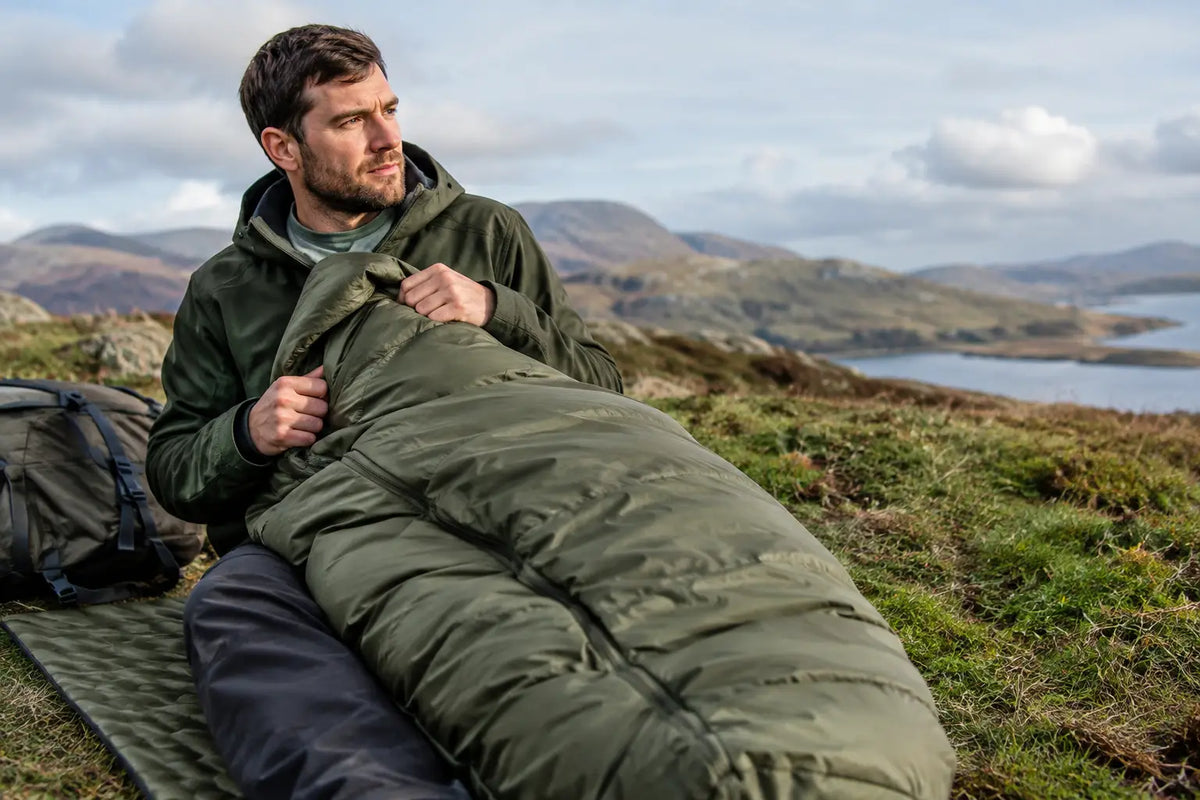
A cold vehicle harbour, a wet range day and a stop-start tab all expose the same weakness in clothing systems: a layer that felt adequate while moving can become useless once activity drops. This Snugpak Softie review looks at why the range has remained a familiar choice for military-minded users, cadets, security personnel and outdoorsmen who need dependable synthetic insulation rather than a jacket built only for dry, fair-weather use.
Softie is not one single garment. It is Snugpak's family of synthetic insulated products, covering jackets, trousers, smocks and sleeping systems in different weights and cuts. That matters when reading any review. A lightweight Softie jacket intended as an active insulation layer should not be judged by the same standard as a heavier piece selected for static sentry duty, camp use or long periods on a firing point.
Snugpak Softie review: the field strengths
The defining benefit is synthetic insulation that continues to offer useful warmth when conditions turn damp. It will not make a wearer immune to prolonged rain, but it is a practical choice where condensation, drizzle, wet vegetation and hard daily use are expected. Unlike untreated down, it does not depend so heavily on staying completely dry to retain loft and insulating value.
For field use, that is often more valuable than chasing the smallest possible packed size. A Softie layer can be carried in a daysack, vehicle or bergan and brought out when the temperature falls, without the same concern over moisture damage that comes with a down garment. The materials are generally selected for hard use too: quiet enough for normal outdoor movement, uncomplicated to operate with cold hands, and less precious than lightweight expedition kit.
The insulation also works well within a conventional layered system. Worn over a wicking base layer and a light fleece, it provides a useful boost during rest halts and admin periods. Under a waterproof shell, it becomes a more protected cold-weather layer when wind and rain arrive. The best results come from choosing the insulation weight for the task, not simply buying the warmest version available.
There is a military logic to this approach. Field clothing has to cope with changing output levels. You may be carrying weight uphill one hour, stood on a windy observation point the next, then sleeping in an unheated building or bivvy. Softie insulation is at its best when it fills that gap between active clothing and a full sleeping system.
Warmth is practical, not magical
Snugpak's Softie insulation is designed to trap warm air through loft. The more loft retained, the more effective the garment will be. A properly sized layer that is not crushed under tight webbing or a restrictive waterproof shell will usually feel noticeably warmer than the same item compressed against the body.
That said, no insulated jacket can compensate for wet base layers, poor wind protection or standing still for extended periods in severe conditions. If you are soaked through after a long tab, put a Softie jacket straight over wet clothing and expect it to solve the problem, you will be disappointed. Change damp layers where possible, add a shell in wind, and use headwear and gloves. The system matters as much as the jacket.
A common mistake is wearing heavy synthetic insulation while working hard. That leads to sweat, then chill when you stop. For patrol, hillwalking or airsoft games with regular movement, a lighter Softie option or a fleece may be the more sensible choice. Keep the warmer layer packed until your pace drops.
Packability and weight
Softie products generally strike a sensible balance between warmth, bulk and durability. They are not normally as compact as a premium down jacket, particularly when comparing like-for-like warmth. That is the trade-off for synthetic performance in changeable British conditions and a construction intended for regular field use.
For a day out on the hills, this extra bulk is worth considering. If every litre in a small pack matters and the forecast is cold but reliably dry, down can be the lighter solution. For training areas, dog handling, fishing, vehicle-based work, cadet expeditions and woodland use, the confidence of synthetic insulation is often the better compromise.
Do not leave any insulated garment tightly compressed for weeks in a stuff sack. Store it loosely when not in use, then allow it to loft before heading out. This helps preserve performance and avoids judging a jacket after it has been flattened in storage.
Fit, movement and layering
A field jacket must work with the rest of your kit. Softie garments are usually best viewed as insulation pieces rather than close-fitting athletic layers. That gives room for a base layer, combat shirt or fleece underneath, but it also means sizing needs a realistic approach.
If you plan to wear yours mainly over a T-shirt or thin base layer around town, your usual size may feel generous. If it will go over PCS-style clothing, a combat jacket or multiple cold-weather layers, that space becomes useful. Check the manufacturer's current size guide for the specific item, as cuts differ across the range.
Pay attention to sleeve length, collar height and hem coverage. A good collar makes a substantial difference when wind gets under a helmet strap or around webbing. A longer back is useful when bending, sitting in a vehicle or wearing a rucksack waist belt. Conversely, excessive length can bunch beneath a harness and become uncomfortable over a full day.
Softie trousers and salopette-style options need the same thought. They are highly useful as stop layers in camp or during a static task, but are too warm for most people to wear while marching. Choose room for the clothing underneath, while ensuring they can be put on without an unnecessary struggle in poor weather.
Where Softie kit performs best
Softie insulation is particularly well suited to the British pattern of cold, damp and variable conditions. It is not restricted to military users. It makes sense for anyone whose activity includes waiting around as well as moving: range users, anglers, beaters, dog walkers, outdoor instructors, security staff and vehicle crews.
It is also a capable option for overseas deployment and travel where kit may be exposed to humidity, dust, condensation and repeated packing. Synthetic insulation is forgiving. It does not remove the need to dry equipment properly, but it gives a better margin when ideal drying conditions are unavailable.
For cadets and younger users, durability and straightforward care can be more useful than ultra-light technical fabrics. A Softie garment is still an investment, so it should be sized with care rather than bought excessively large for growing room. Oversized sleeves, loose cuffs and a poorly positioned waist belt can reduce warmth and make movement awkward.
Limitations to consider before buying
The Softie range is dependable, but it is not the answer to every cold-weather requirement. Synthetic insulation is heavier and bulkier than down for equivalent warmth, and a warm garment can become clammy quickly during high exertion. It is also insulation, not a waterproof layer. In sustained rain, use a suitable waterproof shell rather than relying on the outer fabric alone.
Users who need maximum warmth for minimum pack weight in consistently dry, sub-zero conditions may prefer down. Those who spend most of their time moving fast may get more use from a breathable softshell and carry a compact insulation layer only for stops. There is no benefit in paying for a heavyweight jacket that stays in the cupboard because it is too warm for your normal work.
Care is straightforward but should not be ignored. Follow the garment label, avoid aggressive detergents and make sure the insulation is fully dry before storage. Repair small tears promptly. A damaged outer can allow insulation fibres to work loose and will only worsen under pack straps, rough vehicle interiors or repeated contact with branches.
Is Snugpak Softie worth choosing?
For the user who prioritises reliable warmth in unsettled conditions, Snugpak Softie kit remains a sound choice. Its appeal is not fashion-led styling or minimum-weight bragging rights. It is dependable synthetic insulation, made for being packed, worn, dried and used again when the weather is less accommodating than the forecast suggested.
The right purchase depends on your coldest likely task, your activity level and the room available in your pack. Choose a lighter Softie layer for mobile work and a heavier option for static periods, then build the rest of your clothing system around it. That approach will serve you better than treating any insulated jacket as a one-piece answer to British field conditions.