
Snugpak Jacket Layering Strategies for Cold Weather
By John Bull Clothing Editorial Team · Updated 2026-08-13
Effective layering with Snugpak insulated jackets follows a three-part system: a moisture-wicking base layer, a Snugpak insulated mid layer such as the Sleeka Elite or Softie for thermal regulation, and a waterproof outer shell for protection against autumn rain and wind. This cold weather layering system is built around Snugpak's durable, high-performance construction, which suits military personnel and outdoor enthusiasts facing cooling temperatures, ensuring warmth without excess bulk during active use. Getting the combination — and the sizing — right is what separates a military thermal jacket that performs in the field from one that only looks the part.
What Do You Need Before Layering Up?
Three checks matter before any cold-weather layering system goes on: a durable base, a compatible shell, and gear sourced from brands built for military use. John Bull Clothing sources military and outdoor brands from around the globe, giving customers dependable cold-weather solutions before the first layer even goes on. Skipping this groundwork risks a system that traps moisture, fails in wind, or simply falls apart after one season in the field.
Durability isn't optional for professionals who depend on their kit daily. John Bull has supplied UK and foreign armed forces with military clothing, footwear, and equipment built to last, which is exactly the standard layering pieces need to meet. A warm tactical jacket must survive repeated field use to be considered reliable.
What Brands Belong in a Layering System?
John Bull became a leading supplier of well-known names including Altberg, Keela and Camelbak, alongside Snugpak. That range gives customers a complete toolkit. Boots, hydration, insulation, and shells — sourced from one place rather than assembled piecemeal.
Does the Outer Shell Need to Match the Midlayer?
Yes. Outer shells are purpose-fitted to work over lightweight insulated mid-layers, which makes shell-to-midlayer compatibility a non-negotiable prerequisite. A properly fitted Snugpak insulated jacket worn beneath a matched shell traps warmth without restricting movement, keeping military personnel and outdoor enthusiasts protected through changing conditions.
How Do You Build Your Layering System?
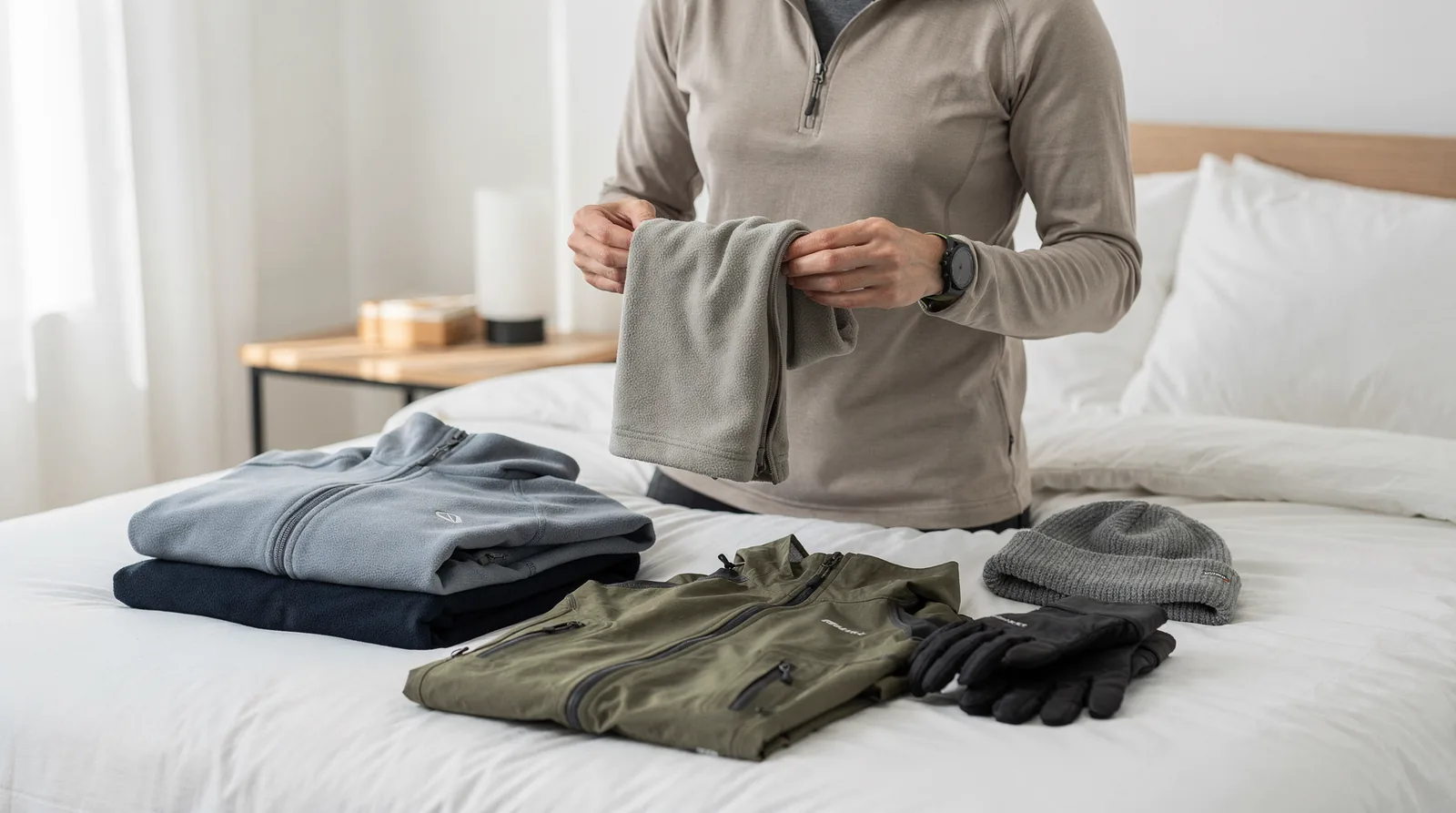
Three components form a dependable layering system: a moisture-managing base, an insulating midlayer, and a protective outer shell. Skipping any single stage leaves gaps in thermal regulation, and cold air finds those gaps fast. Military personnel and hikers who cut corners here often pay for it in shivering hours on the trail or the perimeter.
John Bull's roots explain why this matters so much. Founded by a British Army veteran who identified the shortage of good, reliable kit for serving soldiers, the business built its catalog around gear that performs when conditions turn hostile. That heritage now informs a curated lineup of established outdoor brands, including Altberg, Montane, Camelbak, Helly Hansen, and Highlander, spanning every stage of the system from boots to base layers.
What Should Go in the Midlayer?
A quality snugpak jacket earns its place in the mid-layer slot because down insulation excels in cold, dry conditions specifically. Down traps warm air efficiently without adding bulk, giving hikers and tactical professionals serious warmth-to-weight performance. A snugpak insulated jacket works particularly well here, holding heat close to the body while base layers wick moisture outward.
Snugpak's insulated range covers more than one mid-layer profile. Knowing which one suits a given layering system saves a costly resizing exercise later.
|
Feature |
Snugpak Arrowhead |
Snugpak Softie SJ9 Jacket |
|---|---|---|
|
Design focus |
Close-fitting, low-bulk insulated layer built to sit under a shell |
Looser-cut insulated jacket that can layer or stand alone |
|
Best layering role |
Midlayer in a tight three-part system, worn under a matched outer shell |
Midlayer under a roomier shell, or standalone insulation in drier cold |
|
Ideal use case |
High-output activity — patrol, hiking, tactical movement in cold, dry conditions |
Static or low-output cold weather use, such as sentry duty or camp |
|
Sizing note |
True to size for a close, low-bulk fit under a shell |
Consider sizing up if it will be worn over a base layer and under a shell |
How Do You Fit a Jacket Under a Shell?
Sizing becomes critical once a shell goes over the mid-layer. Heavier insulated pieces sometimes require a size up to accommodate an outer shell without restricting movement, and the amount of extra room needed depends on how bulky the mid-layer is and how close-fitting the shell was designed to be. Anyone assembling a warm tactical jacket system should try the full stack together before committing, rather than sizing each piece in isolation. A cramped fit undermines both mobility and insulation — compressed insulation loses its ability to trap warm air, so a shell that's too tight can leave a wearer colder than going without it.
Two fit checks catch most sizing mistakes before they reach the field. First, raise both arms overhead and reach across the body with the full stack on; a shell that rides up or binds at the shoulders will fail the same way on a climb or a march. Second, check that the mid-layer's cuffs and hem sit flat under the shell rather than bunching, since bunched insulation compresses and stops working exactly where the body needs it most. Anyone unsure whether a particular Snugpak insulated jacket and shell combination will fit together should contact John Bull directly before ordering — the team can advise on sizing across brands rather than leaving customers to guess.
Building the system in the right order keeps each layer doing its job rather than fighting the one next to it.
-
Start with a moisture-wicking base layer against the skin to move sweat away from the body before it can chill you.
-
Add a Snugpak insulated mid-layer — Sleeka Arrowhead or Softie SJ9 — sized to trap warm air without compressing under the next layer.
-
Finish with a waterproof, wind-resistant outer shell sized to fit over the mid-layer without restricting movement.
-
Try the full stack together, not layer by layer, before committing to sizes for a warm tactical jacket system.
-
Check fit through a full range of motion — reaching, crouching, and marching — since a static fitting can hide a restrictive shell.
What Mistakes Undermine Your Cold-Weather Layers?
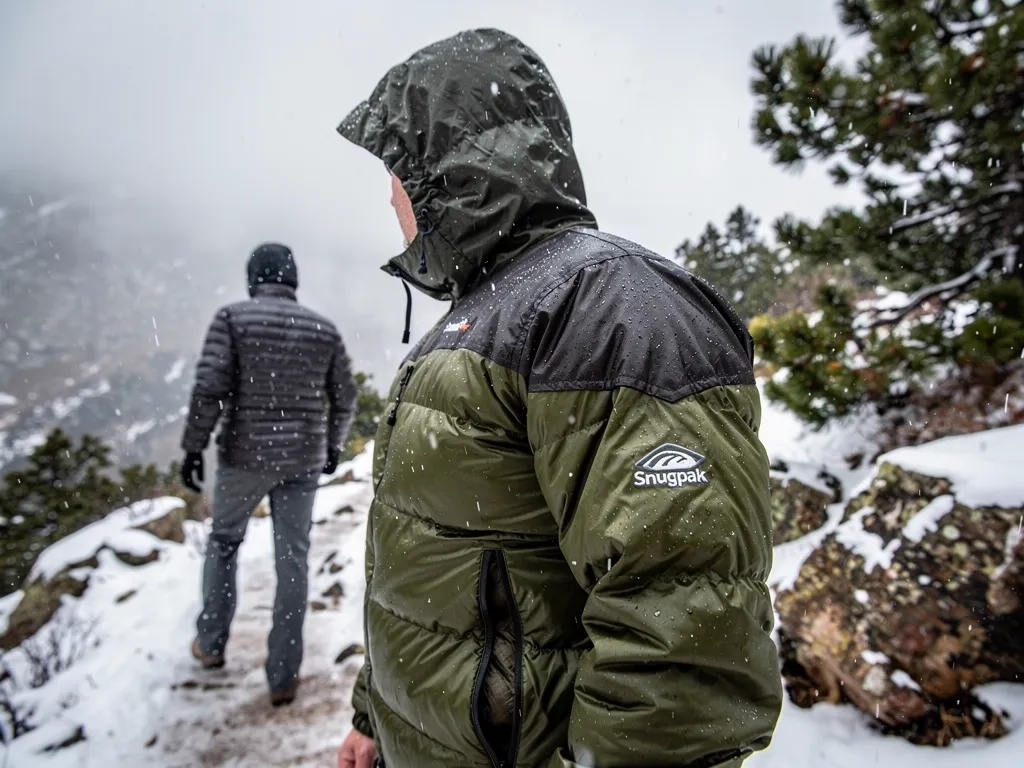
Untreated down causes the most common layering failure among outdoor and tactical customers. Moisture collapses down insulation and strips its warmth unless a water-repellent finish protects the fill, leaving wearers cold precisely when conditions turn wet or snowy. A well-built snugpak jacket paired with the wrong outer shell still leaves gaps in protection if this detail gets overlooked.
Why does a layering system stop performing in the field?
Mismatched combinations rarely fail for one obvious reason. Fit, fabric treatment, and activity level all interact, and guesswork rarely solves the problem.
-
Skipping a water-repellent treatment on down mid-layers
-
Choosing a snugpak insulated jacket without matching it to shell weight
-
Assuming any warm tactical jacket suits every climate or output level
John Bull staff work hands-on with every customer rather than running an automated storefront. Anyone whose setup underperforms can call, text, or email the team directly for guidance. Layering needs vary from person to person. John Bull encourages direct contact over trial-and-error before committing to a full kit.
Frequently Asked Questions
What's the difference between the Snugpak Sleeka Elite and the Snugpak Softie jacket?
The Sleeka Elite is a close-fitting, low-bulk insulated midlayer designed to sit under a matched outer shell without adding restriction. The Softie jacket is cut looser and can work as a midlayer under a roomier shell or as standalone insulation in drier, less active cold-weather conditions.
Do I need to size up when wearing a Snugpak insulated jacket under a shell?
Often, yes. Heavier insulated midlayers can require a size up in the outer shell so the insulation isn't compressed, which would reduce its warmth. The safest approach is trying the full base-mid-shell stack together before buying rather than sizing each piece on its own.
Why does down insulation need a water-repellent treatment?
Untreated down collapses when wet and loses most of its ability to trap warm air, which is the most common cause of a cold-weather layering system failing. A water-repellent finish on the midlayer protects the fill so it keeps performing in rain or snow.
Can a Snugpak jacket be worn on its own without a base layer or shell?
It can, but it won't perform as well. Without a base layer to wick moisture outward, sweat builds up against the insulation; without a shell, wind and rain reach the mid-layer directly. The three-part system exists because each layer does a job the others can't.
How do I know if my layering system is the wrong fit for my activity level?
Mismatches usually show up as either overheating during high-output movement or persistent cold during static periods. A tactical thermal jacket built for patrol movement will feel too warm for sentry duty, and a static-use midlayer will underperform on a fast-paced hike — matching the jacket to the activity, not just the temperature, is the fix.