
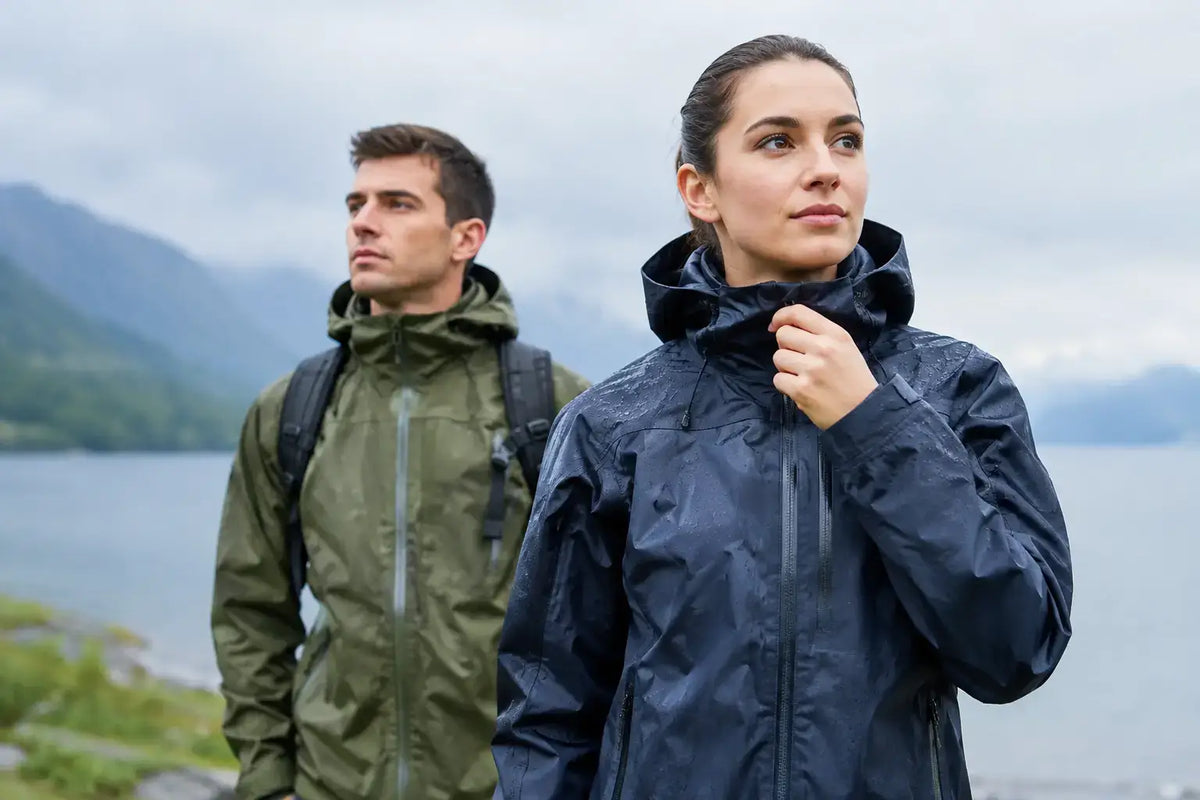
A wet training night can quickly become an uncomfortable one when a jacket leaks through at the shoulders, rides up under a rucksack or traps sweat during movement. Waterproof jackets for cadets need to do more than look the part. They must provide dependable weather protection, allow room for layers and stand up to regular use on parade nights, exercises, camps and fieldcraft weekends.
The right choice depends on the cadet force, local dress guidance and the conditions the jacket will face. A lightweight shell may be ideal for a damp evening at the detachment, while a longer, tougher waterproof is better suited to exposed training areas and multi-day camps.
What cadets need from a waterproof jacket
A cadet waterproof should first keep persistent rain out. Showerproof fabrics can cope with a brief spell of drizzle, but they are not a substitute for a properly waterproof outer layer when the weather turns. Look for a jacket with a stated waterproof construction, sealed or taped seams and a storm flap or protected zip.
Breathability matters almost as much. Cadets are rarely standing still for long on exercise. They may be navigating, carrying kit, moving through woodland or setting up a harbour area. If moisture from inside cannot escape, a jacket can feel wet even when rain has not penetrated it. Breathable fabrics and underarm ventilation help, although no waterproof will stay completely dry inside during hard work in warm, humid conditions.
Durability is the other major consideration. Cadet kit sees mud, brambles, ground work, vehicle seats and repeated stuffing into a daysack. A thin packable jacket is useful as an emergency layer, but it is less likely to last as the only waterproof for frequent field use. For regular training, a stronger outer fabric and reliable zip are worth having.
Waterproof jackets for cadets: fit before features
A waterproof jacket must fit over the clothing worn beneath it. Trying one on over only a T-shirt can lead to a poor decision, particularly when the jacket will normally be worn over a PCS shirt, fleece or insulating layer.
The hem should cover the lower back when bending or kneeling, without being so long that it restricts stride. Sleeves need enough length to protect the wrists when arms are raised, yet cuffs should adjust closely enough to prevent rain running inside. A high collar is valuable in wind-driven rain, provided it does not chafe under the chin.
Movement is a practical test. Zip the jacket fully, put on a loaded daysack if possible, then reach forward, crouch and turn the head from side to side. Tightness across the shoulders is a common issue with poorly sized jackets. It becomes more noticeable once webbing, a rucksack or several layers are added.
For growing cadets, buying several sizes too large is not always sensible. Excess material catches on equipment, sleeves become cumbersome and a loose hood can compromise visibility. A little room for a fleece is useful. A jacket that swamps the wearer is not.
Hood design and visibility
A hood should be adjustable at the face and back of the head so it moves with the wearer rather than falling over the eyes. A wired or shaped peak helps keep rain off the face. This is particularly useful during navigation and when handling equipment.
Consider when the hood will be used. Some cadets prefer a jacket that fits comfortably over a beret when moving between locations, while others will use the hood only in field conditions. A helmet-compatible hood can be beneficial for specialist activities, but it is not necessary for every cadet and may add bulk.
Do not overlook peripheral vision. An overly deep hood or tightly raised collar can make it harder to see instructors, other cadets and hazards on uneven ground. Good adjustment is more valuable than an oversized hood.
Understanding waterproof construction
Waterproof jackets are often described with technical terms that can sound more decisive than they are. The practical question is whether the jacket suits the job.
A coated waterproof fabric is usually cost-effective and offers solid rain protection for routine use. It can be a sound choice for weekly cadet activities, especially where the jacket is worn intermittently rather than all day. More technical membrane fabrics generally offer improved breathability and weather resistance, but cost more and require more careful washing to maintain their performance.
Taped seams are essential for sustained wet weather. Needle holes made during manufacture can allow water through even when the face fabric itself is waterproof. Check whether seams are fully taped rather than only taped in high-exposure areas.
A water-repellent outer finish helps rain bead and run off the surface. This finish wears over time, especially around shoulders where rucksack straps rub. When water stops beading and the outer fabric begins to hold moisture, the jacket may feel colder and less breathable. That does not automatically mean the waterproof layer has failed, but it may be time to clean and reproof the garment.
Choose the right jacket for the activity
There is no single best waterproof for every cadet. The conditions, duration and load carried should decide the balance between protection, weight and cost.
For parade nights and short outdoor activities, a lighter waterproof with a tidy profile is often sufficient. It should pack easily and be quick to put on when rain starts. For weekend exercises, look for stronger fabric, a well-adjusted hood, secure pockets and enough length to maintain coverage under a daysack.
For camps in colder months, waterproofing is only one part of the system. A shell does not provide much warmth on its own. Cadets should use layers: a moisture-managing base layer, suitable insulation such as a fleece, then the waterproof outer layer. Adding a thick cotton hoodie underneath may feel warm at first, but cotton holds moisture and dries slowly after exertion.
Camouflage patterns and colours also require judgement. Some detachments have clear guidance on what can be worn during training or travel, while others may specify issued kit. Always check with the detachment before purchasing a non-issued jacket for official activities. A civilian outdoor shell can be excellent in poor weather but may not be appropriate for all cadet events.
Features that earn their place
A jacket does not need every available feature, but a few details make a genuine difference in the field. Prioritise the following when comparing waterproof jackets:
- Fully taped seams and a protected front zip for reliable rain protection.
- Adjustable cuffs, hem and hood to seal out wind and reduce heat loss.
- Pockets positioned clear of rucksack hip belts, with secure zip closures.
- A hard-wearing outer fabric that tolerates regular use and pack straps.
- Enough room for a fleece without loose material interfering with movement.
Care keeps a waterproof working
A quality jacket will not remain effective if it is stored wet and muddy after every exercise. Hang it up to dry naturally as soon as possible, empty the pockets and brush off loose dirt before washing. Mud can wear at fabric coatings, while prolonged damp storage encourages odour and can damage trims.
Follow the care label rather than using standard household washing habits. Fabric conditioner and some ordinary detergents can affect breathability and the water-repellent finish. Use a suitable cleaner where required, rinse thoroughly and reproof the outer fabric when rain no longer beads on the surface. Avoid direct high heat unless the manufacturer specifically permits it.
Inspect the jacket before camp. Check the zip runs freely, seam tape is not lifting, elastic cord locks still hold and the hood adjustment works. Small problems are far easier to deal with at home than on a wet training area.
Spending wisely on cadet waterproofs
The best value is not necessarily the cheapest jacket or the most technical one. For a new cadet attending occasional activities, a dependable, properly waterproof shell with taped seams may be all that is needed. For someone regularly attending field weekends, expeditions or annual camp, spending more on durability and breathability can prevent the need for an early replacement.
John Bull Clothing customers often know that field kit is judged after hours of use, not under shop lighting. Choose a waterproof that fits the intended activity, works with the layers already owned and meets detachment expectations. When the forecast is poor, a jacket that has been checked, adjusted and properly maintained gives a cadet one less thing to worry about - leaving them free to concentrate on the task in front of them.