
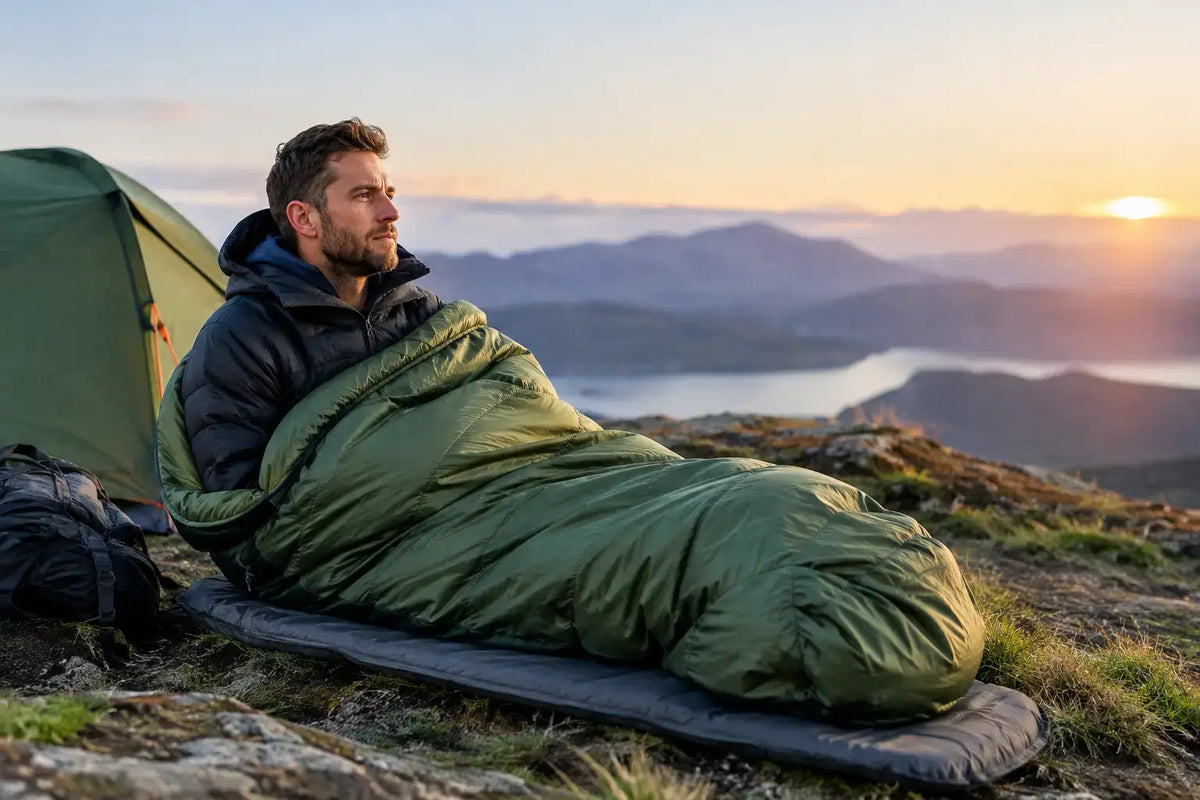
A sleeping bag that is too light turns a wet, cold exercise into a long night of shivering. One that is too bulky can take up the space needed for waterproofs, rations and essential field kit. Which Snugpak sleeping bag to use comes down to the lowest likely overnight temperature, the shelter you are using, how much weight you can carry and whether the bag is for regular field use, a weekend camp or a specific deployment.
Snugpak bags are familiar to military personnel, cadets and outdoor users for good reason. They are designed around practical insulation, compact packing and straightforward field use. The right choice is not necessarily the warmest model. It is the model that gives you a sensible margin against the conditions without overloading your bergan.
Start with the Conditions, Not the Season
Do not choose a sleeping bag simply because the calendar says summer or winter. A clear June night on high ground can be colder than an overcast autumn night in a sheltered woodland location. Wind, damp ground, fatigue, calorie intake and wet clothing all affect how warm you feel once you are in your bag.
Look first at the likely night-time low, then allow a margin for an unexpected drop in temperature. If you are sleeping under a tarp, basha or open shelter, plan for more heat loss than you would inside a well-pitched tent. If you are using a vehicle, heated accommodation or a substantial insulated shelter, your requirement may be lower.
Temperature ratings are useful reference points, but they are not a guarantee that every user will be comfortable at the same temperature. A tired, hungry or lightly built person may need more insulation than someone who sleeps warm. Treat the manufacturer's comfort guidance as a starting point and avoid selecting a bag right at its limit for a critical overnight.
Your sleeping mat matters just as much. A good bag cannot compensate for heat being drawn into cold ground. For field use, pair the bag with a mat that provides proper insulation as well as cushioning. This is particularly important on frozen ground, wet grass and hard-packed soil.
Which Snugpak Sleeping Bag to Use by Temperature
Warm weather and tropical conditions
For hot-weather exercises, summer camps, travel and humid environments, the Snugpak Jungle Bag is the natural starting point. It is designed for warm nights where ventilation, low pack size and insect protection are more relevant than deep insulation. Its built-in mosquito-net arrangement is a practical advantage when sleeping in areas where biting insects are an issue.
A Jungle Bag is not a four-season solution. It can work during a mild British summer when paired with suitable clothing and shelter, but it should not be treated as cover for a cold snap. If the forecast is uncertain or you are exposed on open ground, moving up to a lightly insulated Softie model is the safer option.
Mild UK weather and three-season use
The Snugpak Softie 3 Merlin suits users who need a compact, relatively lightweight bag for late spring, summer and mild autumn nights. It is a useful choice for cadet camps, vehicle-supported trips, lowland bivvies and users who generally sleep warm.
This is the point where restraint is useful. The Softie 3 saves bulk and weight, but the trade-off is reduced protection once temperatures approach freezing. If you expect cold rain, persistent wind or an exposed harbour area, the next model up will provide more useful insurance.
The Softie 6 Kestrel offers that extra level of insulation for more typical UK three-season use. It is often the better all-round answer for people who need one bag for regular camps, exercises and general outdoor work. It carries more bulk than the Merlin, but it gives greater flexibility through cool autumn nights and unsettled weather.
Cold weather and near-freezing nights
For colder UK conditions, the Snugpak Softie 9 Hawk is a dependable choice. It is aimed at users who may encounter frost, cold ground and prolonged nights outside a heated shelter. This makes it a sensible option for late-autumn training, winter camps and outdoor users who do not want to be caught out by a sharp overnight temperature drop.
The penalty is size and weight. A Softie 9 is not the bag to choose for a fast-and-light summer trip, but that additional insulation is worthwhile when rest and recovery matter. A poor night's sleep reduces performance the following day, particularly when you are carrying weight or working in wet conditions.
For genuine winter use, the Softie 12 Osprey provides a higher level of insulation for cold environments. It is best suited to users who regularly sleep out in winter, operate from exposed locations or require a bag with a stronger cold-weather margin. In milder conditions it may feel excessive, and it occupies more room in a pack, but it is the more appropriate tool when sub-zero nights are a realistic prospect.
The Special Forces System for Flexible Field Use
A single sleeping bag is simple, but it cannot cover every season equally well. The Snugpak Special Forces system addresses that problem by allowing different bags to be used individually or combined. The Special Forces 1 is intended for warmer conditions, while the Special Forces 2 provides more insulation for colder weather. Together, they create a more capable cold-weather setup.
This system makes particular sense for personnel and outdoor users who encounter varied conditions through the year. Rather than owning several completely separate bags, you can use the lighter component through warmer months and add insulation when the forecast or task demands it.
There are trade-offs. A modular system costs more than a basic single bag and requires you to manage more equipment. When both bags are combined, the packed size is substantial. For users who only camp occasionally in predictable summer weather, it is more capability than required. For regular field users, however, the flexibility can justify the extra bulk and outlay.
Consider Pack Size, Not Just Bag Weight
Sleeping bag selection often focuses on stated weight, but packed volume can be the limiting factor. A cold-weather bag may be manageable on a vehicle-supported exercise yet awkward in a tightly packed daysack or patrol bergan. Consider the complete load: waterproof layers, spare socks, food, water, stove, first-aid kit, shelter, dry bags and any task-specific equipment all need space.
Compression sacks help, but avoid crushing synthetic insulation into the smallest possible package for prolonged storage. Keep the bag loosely stored when at home where practical, then compress it for transport. This helps the insulation retain its loft and performance over time.
A lighter bag may also mean carrying additional layers to sleep in. That can be sensible, particularly when those layers are already part of your clothing system. It is less sensible if you are packing extra garments solely to compensate for an under-rated sleeping bag. Choose the bag for the conditions first, then use dry base layers, socks and a hat to refine your warmth rather than rescue a poor choice.
Fit, Shape and Field Practicalities
Snugpak sleeping bags are generally shaped to retain warmth while still allowing enough room to move. A close-fitting bag warms more efficiently than an oversized one, but it should not feel restrictive when you are wearing base layers or turning through the night.
Check whether you need a left- or right-hand zip based on personal preference and the way you set up your shelter. It sounds minor until you are trying to get out quickly in darkness or wet weather. Also consider whether the bag will be used inside a bivvy bag. A bivvy bag adds weather protection and can reduce heat loss, but it may also increase condensation if ventilation is poor.
Keep the bag dry. Pack it in a waterproof liner or dry bag, even if your bergan has a rain cover. A wet sleeping bag is difficult to dry in the field and loses much of the comfort you selected it for. Air it whenever conditions permit, especially after a damp night.
A Straightforward Selection Method
If you need a compact bag for genuinely warm conditions, choose the Jungle Bag. For mild weather and light packing, the Softie 3 Merlin is a practical option. For the broadest three-season UK use, the Softie 6 Kestrel is often the balanced choice. Move to the Softie 9 Hawk when cold nights and frost are likely, and choose the Softie 12 Osprey when winter conditions are part of the job rather than an outside chance.
If your requirements change across seasons, the Special Forces system deserves serious consideration. It gives you a more adaptable sleeping setup, especially where a warm-weather bag and a cold-weather bag would otherwise both be required.
At John Bull Clothing, the best starting point is to match the sleeping bag to your coldest realistic night, your shelter and your carrying method. Give yourself a sensible temperature margin, protect the bag from moisture and use a properly insulated mat. That approach will serve you better than chasing the smallest packed bag or the lowest headline temperature rating.